
Preventable Yet Deadly: Why Lassa Fever, Diphtheria Continue to Claim Nigerian Lives
Despite being preventable, Lassa fever and diphtheria continue to claim thousands of lives in Nigeria due to critical gaps in diagnostics, sanitation, and routine immunization.
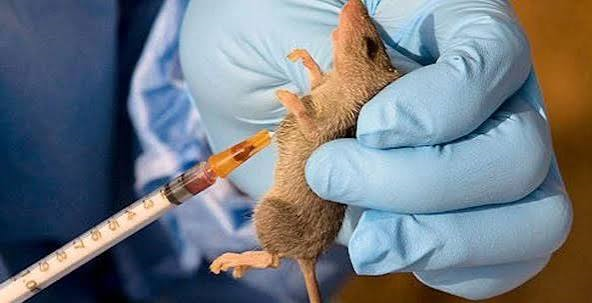
Despite decades of public health advancements, Nigeria remains trapped in a troubling contradiction: preventable infectious diseases continue to claim thousands of lives and overwhelm vulnerable communities. Lassa fever and diphtheria, which should be mere footnotes in the nation’s health history, persist as deadly headlines. Health experts attribute this ongoing crisis to enduring weaknesses in environmental sanitation, vaccination coverage, disease surveillance, and healthcare access.
The trajectory of Lassa fever is particularly alarming. According to the Nigeria Centre for Disease Control and Prevention (NCDC), as of epidemiological week 34 of 2026, the country recorded 7,580 suspected cases, 1,056 confirmed cases, and 253 deaths. This translates to a staggering Case Fatality Rate (CFR) of 24 per cent, a significant and worrying increase from the 18.7 per cent recorded during the same period in 2025.
Professor Oyewale Tomori, a renowned virologist, warned that these recurring outbreaks demonstrate a systemic failure to treat Lassa fever with the urgency it demands. He noted that Nigeria’s diagnostic capacity remains a critical bottleneck, with only about 10 per cent of suspected cases receiving laboratory confirmation. "We remain largely ignorant of the diagnoses of the majority of suspected cases," Tomori stated, emphasizing that delayed confirmation prevents patients from receiving life-saving early treatment. He also criticized generic public health messaging, arguing that broad warnings about "avoiding bushmeat" fail to adequately educate communities on actual transmission vectors and practical, everyday protective measures.
Environmental health expert Juliet Ojieabu echoed these concerns, stressing that Lassa fever is a profound environmental and community challenge, not just a medical one. She advocated for a paradigm shift from reactive outbreak responses to sustained, proactive prevention. Key interventions must include improved sanitation, effective waste management, proper food storage, and rigorous rodent control in endemic areas. Furthermore, Ojieabu emphasized that public awareness campaigns must transcend urban centers, utilizing local languages and leveraging trusted voices such as traditional rulers, religious leaders, and community health workers.
While Lassa fever exposes diagnostic and environmental vulnerabilities, Nigeria’s diphtheria crisis highlights a different, equally preventable weakness: critical immunization gaps. Between epidemiological week 19 of 2022 and week 3 of 2026, Nigeria recorded a devastating 40,460 confirmed cases of diphtheria and 2,151 deaths, with children bearing the brunt of the mortality.
The outbreak has been heavily concentrated in Northern Nigeria. NCDC data reveals that Kano State recorded the highest number of confirmed cases at 24,687, followed by Borno (5,077), Bauchi (4,139), Yobe (3,159), and Katsina (2,589).
This persistence is particularly troubling given the widespread availability of effective vaccines. Under Nigeria’s national childhood immunization schedule, children should receive three doses of the pentavalent vaccine, which protects against diphtheria, at 6, 10, and 14 weeks of age. However, vaccination data reveals substantial coverage gaps. Experts point out that the problem extends far beyond mere vaccine availability. It is compounded by missed routine immunizations, incomplete vaccination schedules, inadequate healthcare access in remote communities, the persistent spread of vaccine misinformation, and severe logistical difficulties in reaching deeply underserved populations.
The continued toll of Lassa fever and diphtheria serves as a grim reminder that medical knowledge alone cannot save lives without the infrastructure to deliver it. Experts agree that translating public health interventions into sustained, community-level action is the ultimate challenge. Until Nigeria decisively addresses these foundational gaps in laboratory diagnostics, environmental sanitation, and routine childhood immunization, preventable diseases will continue to exact a heavy, entirely unnecessary toll on its most vulnerable citizens.
Sponsored

Related stories
 Health
Diri Orders Free Quarterly Health Checks for All Bayelsa Residents at Secondary Facilities
Governor Douye Diri has directed Bayelsa's Ministry of Health to begin free quarterly medical check-ups across all eight local government areas, aimed at helping residents who cannot afford routine screening and promoting early detection of diseases.
 Health
‘Priceless Gift of Sight’ Reaches 400,000 Beneficiaries
FCMB and the Tulsi Chanrai Foundation say their 15-year eye care partnership has reached over 400,000 Nigerians, as a World Sight Day roundtable in Abuja pushes for private-sector funding to sustain and expand care.
 Health
FUNAAB Launches Africa’s First AI Disease Surveillance System
Researchers at the Federal University of Agriculture, Abeokuta, have developed IDS-Master, a groundbreaking AI-powered surveillance system that detects infectious disease outbreaks in real time by analysing reports from community leaders, health agents, and ordinary residents. Described as Africa's first fully AI-driven event-based surveillance platform, the innovation promises to bridge critical gaps in outbreak detection across underserved rural communities where delays in reporting can cost l
 Health
NAFDAC Seeks Global Partners for Local Vaccine Production
The Director-General of the National Agency for Food and Drug Administration and Control (NAFDAC), Prof. Mojisola Adeyeye, has called on international partners to support the establishment of vaccine manufacturing facilities in Nigeria, saying local production is the missing link in the agency’s push to attain World Health Organisation Maturity Level 4 for vaccine lot release. She spoke at the 8th Nigeria Pharma Manufacturers’ Expo in Lagos, where she commended President Bola Tinubu’s Executive
Comments (0)
Leave a comment
All comments are moderated before publishing. Your email is never published.