
Presidency Dismisses Atiku’s N7.98trn Oil Windfall Claim, Demands Evidence
Presidency rejects Atiku’s oil windfall allegation, insisting no hidden revenue exists and challenges him to provide credible evidence.
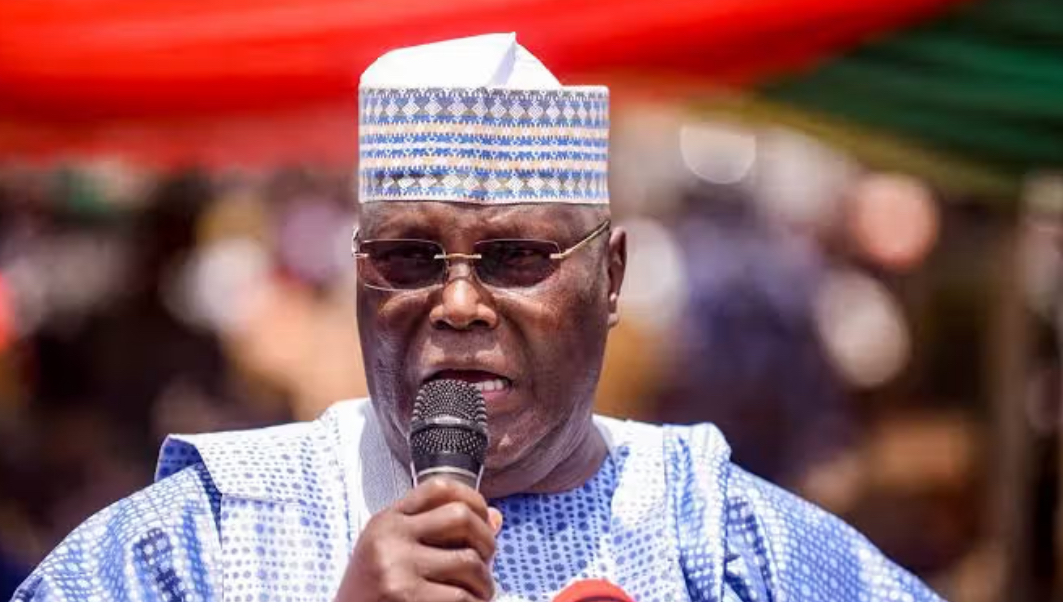
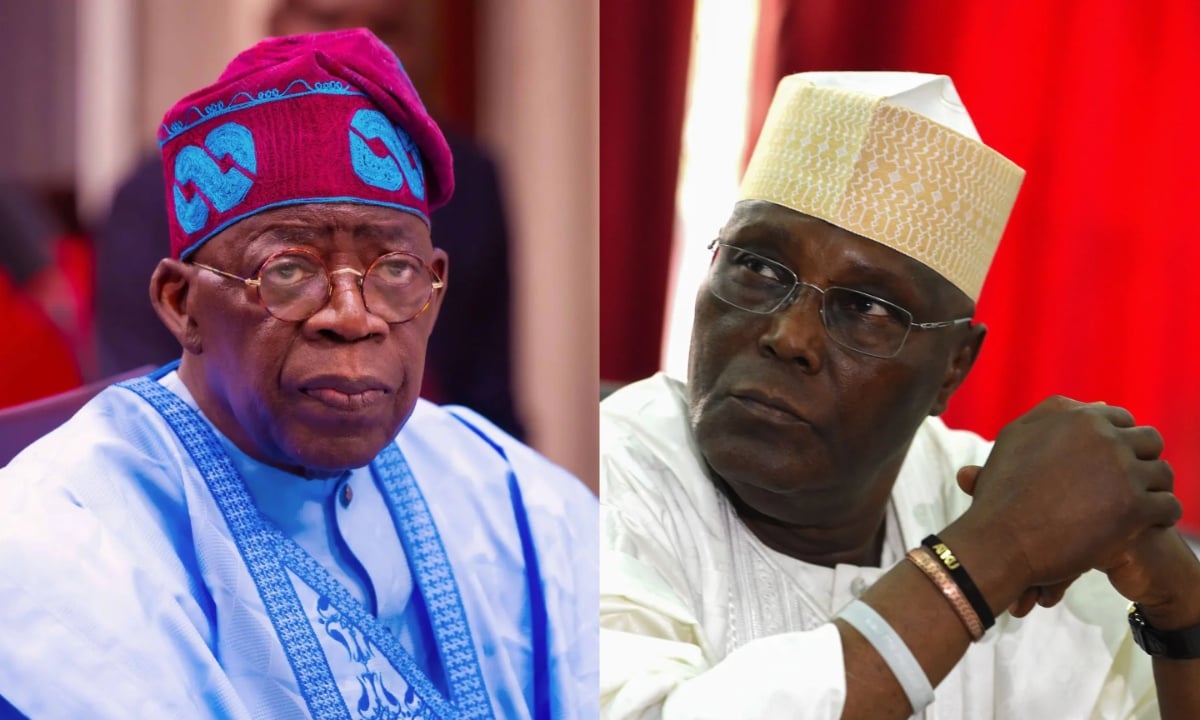
The Presidency has dismissed former Vice-President Atiku Abubakar’s allegation that the Federal Government earned a ₦7.98 trillion oil windfall under President Bola Tinubu’s administration, challenging him to provide evidence to support the claim.
In a statement issued on Sunday, the Special Adviser to the President on Information and Strategy, Bayo Onanuga, described Atiku’s economic analysis as “deficient” and insisted that there was no undisclosed oil windfall as alleged.
The response followed Atiku’s recent criticism of the Federal Government’s continued domestic borrowing despite what he described as higher-than-expected oil revenues.
In a statement earlier released through his Senior Special Assistant on Public Communication, Phrank Shaibu, Atiku accused the Tinubu administration of pursuing contradictory economic policies and lacking fiscal discipline.
The former vice-president argued that based on an average crude oil production of 1.5 million barrels per day, Nigeria generated about $42.7 million in additional revenue daily due to higher global oil prices. According to him, this translated to approximately $5.76 billion or about ₦7.98 trillion between March 1 and July 14, 2026.
Atiku also questioned why the Federal Government borrowed about ₦5 trillion from the domestic bond market during the first half of 2026 despite the alleged increase in oil revenue.
Reacting, Onanuga maintained that Atiku’s calculations ignored several key factors involved in determining government earnings from crude oil sales.
He explained that any increase in oil revenue is reflected in the monthly allocations shared by the Federation Account Allocation Committee (FAAC) and not hidden from the public.
According to him, although Brent crude averaged around $90 per barrel in the first half of 2026 compared to the budget benchmark of $64.85, Nigeria’s average daily production remained around 1.6 million barrels per day, below the projected 1.84 million barrels.
He added that the lower production volume significantly reduced the financial gains from higher crude prices.
Onanuga further stated that some crude oil had already been committed under forward sale agreements and loan repayment arrangements entered into before the removal of the fuel subsidy, reducing the amount of revenue directly available to the government.
“The convenient mistake many analysts make is to multiply the oil price by the daily crude production volume to determine government revenue,” he said.
He noted that such calculations fail to account for production costs, the share of international oil companies, and contractual obligations that affect the actual amount accruing to the government.
The presidential spokesman challenged Atiku to publicly disclose how he arrived at the ₦7.98 trillion figure, insisting that there was no evidence to support the allegation.
Onanuga also criticised Atiku for relying on what he described as outdated economic arguments, saying Nigeria’s economy has changed significantly since the implementation of key reforms.
According to him, the country’s dollar-denominated Gross Domestic Product has increased from about $253 billion to approximately $377 billion, while its naira GDP has risen from about ₦314 trillion in 2024 to nearly ₦530 trillion.
He said the administration’s economic reforms were intended to address long-standing structural challenges and should not be judged solely by their initial impact.
The Presidency also rejected claims that Nigeria had become overburdened by debt, arguing that the country’s debt-to-GDP ratio remains around 40 percent, while debt servicing continues to improve as government revenue increases.
Onanuga said recent reforms aimed at expanding the tax base, reducing leakages and improving revenue collection have strengthened the country’s fiscal position.
The exchange is the latest in a series of disagreements between the Presidency and Atiku Abubakar ahead of the 2027 general election, with both sides continuing to differ over the state of Nigeria’s economy and the impact of the Tinubu administration’s policies.
Sponsored
Related stories
 Politics
2027 Governorship List: PDP Engages INEC Over Omission of Adebutu, Pantami, Others
The PDP is seeking clarification from INEC after its governorship candidates in Ogun and Gombe were omitted from the final list.
 Politics
Jigawa ADC Kicks as INEC Omits Ringim, Seven Others From Final List
Jigawa ADC has protested INEC’s omission of its deputy governorship candidate Aminu Ringim and seven other party-backed candidates.
 Politics
Fuel Discount: Atiku Accuses Tinubu of Turning NNPCL Into Campaign Money Cashier
Atiku has accused Tinubu’s administration of using NNPCL’s petrol discount for political advantage ahead of the 2027 general election.
 Politics
2027: NDC to Inaugurate Presidential Council October 20
The Nigeria Democratic Congress will inaugurate its Presidential Campaign Council on October 20 as it intensifies preparations for the 2027 general elections.
Comments (0)
Leave a comment
All comments are moderated before publishing. Your email is never published.