
Personal Loans Rise to N2tn as Nigerians Borrow More
Nigerians’ personal loan balances climb to N2tn as households increasingly turn to borrowing to meet rising expenses.
Personal loans obtained by Nigerians have risen to about N2 trillion, reflecting increased reliance on credit as households and individuals seek additional funds to meet their financial needs.
The increase comes amid persistent pressure on household incomes, higher living costs and rising prices of essential goods and services.
Recent banking sector data showed continued growth in personal lending as commercial banks and other financial institutions expanded access to credit through traditional loans and digital lending platforms.
Personal loans are commonly used by borrowers to finance household expenses, education, medical needs, rent, business activities and other urgent financial obligations.
The growth in borrowing also reflects changes in Nigeria’s consumer credit market, with banks and fintech companies increasingly using digital platforms to provide individuals with faster access to loans.
However, the expansion of personal lending has raised concerns about the ability of borrowers to repay their obligations, particularly as many households continue to face pressure from inflation and reduced purchasing power.
For some Nigerians, borrowing has become a way of bridging gaps between income and expenditure, especially when salaries and other earnings are insufficient to cover monthly expenses.
Banks have continued to strengthen their retail lending operations as part of efforts to increase interest income and expand financial inclusion. Digital lenders have also increased competition in the consumer credit market by offering short-term loans with simplified application processes.
Financial experts have, however, advised borrowers to carefully assess repayment terms before taking personal loans, particularly the interest rates, fees and penalties attached to the facilities.
They have also urged financial institutions to ensure responsible lending practices by assessing borrowers’ ability to repay before approving additional credit.
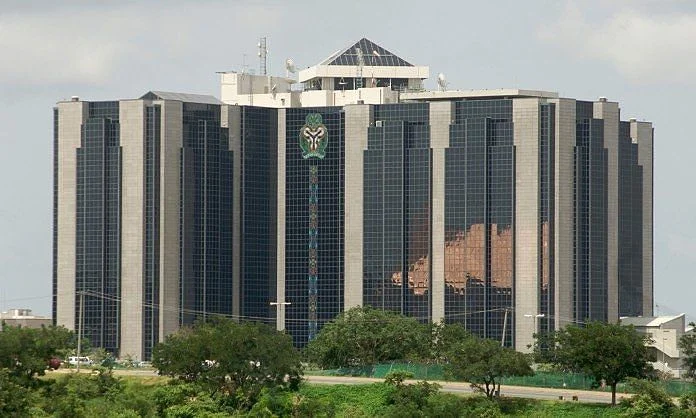
The rise in personal loans comes as the Central Bank of Nigeria continues to monitor credit conditions and encourage lending to productive sectors of the economy.
While increased access to credit can help households manage temporary financial pressures, sustained growth in personal borrowing could also expose consumers to greater debt burdens if income growth fails to keep pace with repayment obligations.
The latest increase therefore highlights both the growing demand for consumer credit in Nigeria and the financial pressures pushing more individuals to seek loans to meet their everyday needs.
Sponsored

Related stories
 News
News
NSA Unveils New Security Framework to Tackle Oil Theft, Pipeline Vandalism
Nuhu Ribadu unveils standard procedures to coordinate security agencies and contractors, protect oil infrastructure and curb crude theft.
 News
News
Child Soldier: US Threatens to Cut Military Aid to Nigeria
US listing cites child recruitment by Boko Haram and ISWAP, threatening restrictions on military assistance.
 News
News
IMF Warns Poverty Risks Persist Despite Nigeria’s Economic Stability
The IMF warns that rising food and energy prices continue to threaten vulnerable Nigerians despite improving economic stability and growth.
 News
News
Military Veterans Block Pensions Board Entrance, Demand Fair Adjustment
Retired military personnel in Abuja protest pension calculations, demanding a fair review of adjustments linked to salary increases.
Comments (0)
Leave a comment
All comments are moderated before publishing. Your email is never published.