
Parties Differ Over INEC’s Readiness, Voter Register Ahead of 2027 Elections
Political parties have expressed contrasting views on INEC’s preparedness for the 2027 general elections, following the discovery of AI-generated photographs and other irregularities in the preliminary voters’ register.
.jpg)
Political parties have raised concerns over the preparedness of the Independent National Electoral Commission (INEC) for the 2027 general elections, following the discovery of artificial intelligence-generated photographs and other questionable entries in the preliminary voters’ register.
The controversy has renewed questions about the integrity of the electoral database, the commission’s internal monitoring systems and its capacity to conduct credible elections.
INEC’s preliminary register, uploaded on October 26, contains more than 103.4 million registered voters, comprising over 93 million voters recorded in 2023 and additional registrations from the continuous voter registration exercise.
The commission’s Director of Information and Communication Technology, Dr Lawrence Bayode, disclosed that some registration officers allegedly used their official login credentials to introduce irregular entries into the database. He said the commission had identified those responsible and was taking steps to address the problem.
The Labour Party (LP) described the development as concerning, with its National Publicity Secretary, Ken Asogwa, urging INEC to return to the drawing board and take measures to restore public confidence in the electoral process.
The Peoples Democratic Party (PDP), however, said the discovery should not be exaggerated, noting that the register was still preliminary and that INEC had acknowledged the problem and promised to correct the anomalies before publishing the final version.
The party’s National Publicity Secretary, Jungudo Haruna Mohammed, expressed confidence in the commission’s preparations, saying it had made progress towards meeting its electoral milestones.
The Allied People’s Movement (APM) also called for caution in the deployment of artificial intelligence, stressing that technological innovations must support rather than undermine electoral credibility.
The Social Democratic Party (SDP), through its Adewole Adebayo-Bugaje Presidential Campaign Council, described INEC’s preparations as compromised, citing alleged weaknesses in the voters’ register, biometric infrastructure and operational timelines.
The council’s Chief Media and Communications Adviser, Mark Adebayo, called for an independent digital audit of the register and public stress tests of the Bimodal Voter Accreditation System (BVAS).
Similarly, the Action Democratic Party (ADP), through its National Chairman, Yabagi Yusuf Sani, demanded an independent investigation into the irregularities and a comprehensive forensic audit of the register before its final certification.
The Nigeria Democratic Congress (NDC) also urged INEC to remove deceased persons from the register, calling for a transparent process through which citizens and political parties could submit objections to questionable entries.
Meanwhile, INEC Chairman, Prof. Joash Amupitan, said the commission had received more than 4,800 claims and about 600 objections to the preliminary register as of Thursday.
Amupitan disclosed this when the Economic Community of West African States (ECOWAS) Pre-Election Fact-Finding Mission, led by former Sierra Leone Vice-President Victor Bockarie Foh, visited the commission’s headquarters in Abuja.
He said most of the claims involved corrections and other minor issues, adding that the commission would address the discrepancies before the final register was certified on December 15, 2026.
The INEC chairman said the commission had completed three phases of the continuous voter registration exercise and concluded the physical display of the preliminary register nationwide. The register was also made available online for public scrutiny and objections.
He reiterated that the presidential and National Assembly elections would hold on January 16, 2027, while governorship and State Houses of Assembly elections were scheduled for February 6, 2027.
According to him, the elections would cover 36 states and the Federal Capital Territory, involving 774 local government areas, 8,809 registration areas and 176,846 polling units.
Amupitan said INEC had completed nine of the 14 major milestones in its revised electoral timetable and was conducting zonal readiness assessments to identify operational challenges, including difficult terrain and security concerns.
He also announced plans for a nationwide mock accreditation exercise in November to test the simultaneous operation of voter accreditation and results transmission, with a view to addressing technical problems experienced during the 2023 elections.
The commission plans to deploy BVAS for biometric accreditation through fingerprint and facial recognition. It has also introduced an electronic verification platform, eEC8A, for results transmitted to the INEC Result Viewing Portal.
With the final voters’ register scheduled for release in December, INEC faces growing demands from political parties and other stakeholders to demonstrate that the identified shortcomings have been resolved ahead of the 2027 polls.
Sponsored

Related stories
 News
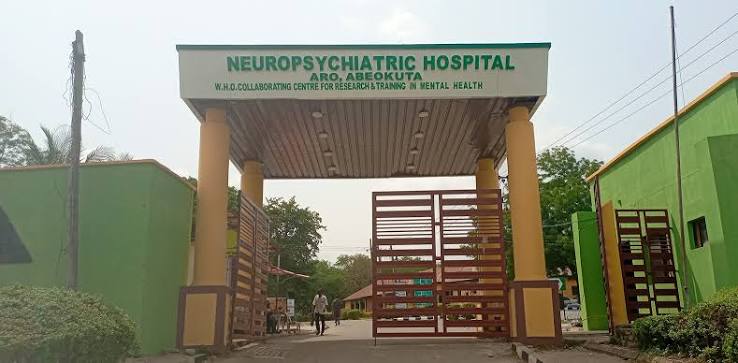
Equipment Shortages, Staff Deficits Undermine Patient Care at Aro Psychiatric Hospital
Shortages of essential medical equipment, drugs, water and electricity at the Federal Neuro-Psychiatric Hospital, Aro, have raised concerns over patient safety, following the death of a student nurse during an emergency.
 News
Trump Renews Threat of Strikes, Says US Has One or Two Targets Left in Iran
US President Donald Trump says Washington still has one or two Iranian sites to target, including a suspected underground nuclear facility, while diplomatic efforts to end the conflict continue.
 News
Fubara’s Political Future Uncertain After Recognising Wike as Rivers Leader
Rivers State Governor Siminalayi Fubara has asked his supporters to recognise FCT Minister Nyesom Wike as their political leader, raising questions about his influence and future political ambitions.
 News
New Tax Laws Prohibit Revenue Roadblocks, Unauthorised Cash Collections – Adesokan
Joint Revenue Board Executive Secretary Olusegun Adesokan says Nigeria’s harmonised tax framework prohibits roadside tax collection, unauthorised cash payments and the sale of revenue stickers, as 21 states adopt the model law.
Comments (0)
Leave a comment
All comments are moderated before publishing. Your email is never published.