
Oil Eases to $105 as US–Iran Peace Talks Progress
Oil Eases to $105 as US–Iran Peace Talks Progress
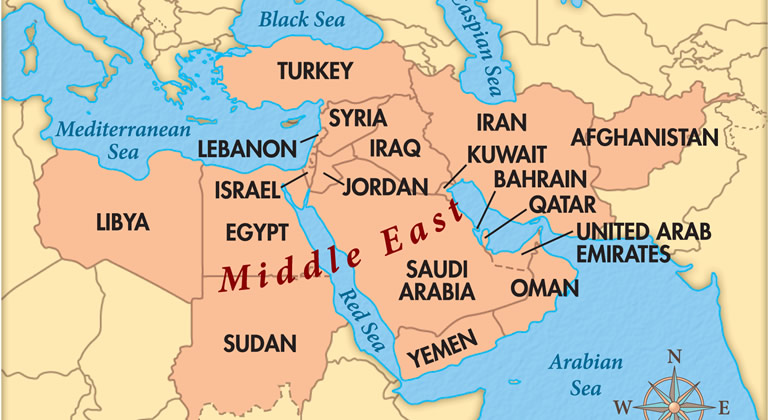
Global oil prices slipped on Wednesday as renewed diplomatic efforts between the United States and Iran eased some geopolitical risk concerns in the energy market.
Brent crude fell to about $105 per barrel, down from $111 the previous day, while West Texas Intermediate (WTI) dropped to $98 from $105, according to market data from Oilprice.com.
The decline followed comments from U.S. President Donald Trump indicating that negotiations with Iran were in their final stages, raising hopes of a possible de-escalation in tensions that have disrupted global oil supply routes.
However, investors remain cautious, as uncertainty persists over whether the talks will result in a lasting agreement or further escalation.
Iranian officials, including Foreign Ministry spokesperson Esmaeil Baghaei, said Tehran was open to developing protocols for safe maritime traffic with regional states, though no detailed agreement has been confirmed.
Despite the price drop, analysts warn that global oil markets remain highly sensitive to supply risks, particularly in the Middle East, where tensions continue to threaten shipping routes.
Some market forecasts suggest Brent crude could rebound to around $120 per barrel in the near term if instability persists, while energy consultancy Wood Mackenzie projected that prices could surge as high as $200 per barrel if the Strait of Hormuz is significantly disrupted.
The Strait of Hormuz, a critical global oil transit chokepoint, typically handles about one-fifth of the world’s oil supply, making it a key pressure point for energy markets.
Shipping activity through the waterway has reportedly been disrupted, although recent data shows limited movement of tankers, including supertankers carrying crude oil bound for Asian markets.
Reports indicate that several vessels have begun cautiously transiting the Gulf after extended delays, reflecting gradual but fragile improvements in shipping conditions.
Analysts say that while diplomatic progress has helped ease immediate price pressures, the global oil market remains vulnerable to sudden shifts in Middle East security dynamics and supply chain disruptions.
Sponsored

Related stories
 News
News
FG Seeks World Bank Guarantees for Infrastructure Financing
Nigeria’s Oyedele and Cardoso seek World Bank guarantees to attract private capital for infrastructure projects.
 News
News
Power: FG to Clear GenCos’ Legacy Debts in 2027 — Tegbe
Power Minister Joseph Tegbe says the Federal Government aims to settle outstanding legacy debts owed to electricity generation companies by 2027.
 News
News
IPO: Dangote Petroleum Refinery Extends Offer Period by Two Weeks
Dangote Refinery extends its share offer to October 27, giving investors more time to participate in the landmark IPO.
 News
News
Houthi Official Warns of ‘Swift, Painful Response’ if US Enters Yemen War
Houthi official Mohammed Al Bukhaiti threatens US interests if Washington joins Saudi Arabia’s military campaign against the group.
Comments (0)
Leave a comment
All comments are moderated before publishing. Your email is never published.