
Ogun Shuts Schools as Over 100 Pupils Are Hospitalised After Gas Emissions
Ogun State shuts some schools after more than 100 students reportedly require hospital treatment following recurring gas emissions across three communities.

The Ogun State Government has ordered the closure of some schools in Ijebu-Ode, Ago-Iwoye and Ijebu-Igbo following a fresh gas emission incident that reportedly left more than 100 students requiring medical attention.
The incident occurred on Wednesday, October 21, when students and staff at several secondary schools reportedly experienced breathing difficulties, with some fainting after exposure to an unusual gaseous odour.
The affected students were taken to the State Hospital in Ijebu-Ode, the General Hospital in Ijebu-Igbo and other healthcare facilities for treatment.
Schools reportedly affected include Ijebu-Igbo Girls Grammar School, Anglican Girls Grammar School in Ijebu-Ode and Itamerin Comprehensive High School in Ago-Iwoye.
The latest incident has heightened concerns among parents, teachers and residents over the recurring emissions, which have affected schools in the Ijebu area several times since April.
Ogun State Commissioner for Environment, Ola Oresanya, said the government was investigating the latest occurrence and had begun efforts to determine the source and extent of the emissions.
He said the situation was under control, adding that affected students were receiving medical attention. Some students reportedly required oxygen, while others received treatment for symptoms including breathing difficulties, stomach discomfort and drowsiness.
Kehinde Bello, General Manager of the Ogun State Environmental Agency, linked the incident to underground gas emissions previously recorded in the area. He said preliminary government findings suggested a possible connection with geological and tectonic fault lines rather than sabotage or a gas pipeline leak.
The government had previously identified methane in earlier incidents, although investigations into the recurring emissions have yet to provide a conclusive explanation for the latest occurrence.
A team from the Nigerian Upstream Petroleum Regulatory Commission also visited the affected areas to participate in the assessment and investigation.
Previous incidents in April, May and June reportedly resulted in dozens of students being hospitalised, raising questions about the effectiveness of measures to prevent further exposure.
The state government has assured residents that efforts are ongoing to establish the cause and find a lasting solution to the problem.
The latest school closures underscore growing concerns about the safety of students and school staff as authorities continue investigating the recurring emissions.
Sponsored

Related stories
 News
Blaming Opposition For Hunger Is ‘Delusion’ — Atiku Tells Tinubu
Atiku Abubakar has accused President Tinubu of evading responsibility for Nigeria’s economic hardship after blaming opposition politicians for hunger and poverty.
 News
Tinubu Accuses Opposition of Creating Hunger, Poverty
President Bola Tinubu has accused opposition parties of creating the hunger and poverty they now criticise his administration over, insisting that his government is working to eradicate hardship and deliver economic prosperity.
 News
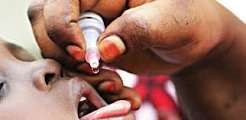
UNICEF, Sokoto Target One Million Children for Polio Vaccination
UNICEF and the Sokoto State Government are intensifying efforts to protect children against polio through vaccination, community mobilisation and public awareness, with emphasis on reaching every eligible child and addressing vaccine hesitancy.
 News
2027 Northern Nigerians Will Repay Tinubu with Votes, Says Sani, Yari
Kaduna State Governor Uba Sani and APC Presidential Campaign Council Director-General Abdul’aziz Yari have expressed confidence that Northern Nigerians will support President Bola Tinubu’s re-election bid in 2027, citing federal government interventions in infrastructure, security, education and agriculture.
Comments (0)
Leave a comment
All comments are moderated before publishing. Your email is never published.