
No Military Solution to Middle East War — Iran Tells US
Iran rejects military action and sanctions as solutions, urging negotiations to end its ongoing conflict with the United States.
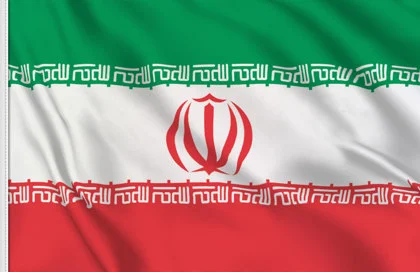
Iran has told the United States that there is no military solution to the ongoing Middle East war, urging negotiations as the preferred path to ending the conflict.
Iranian Foreign Minister Abbas Araghchi made the statement on Sunday while addressing foreign ambassadors in Tehran, as diplomatic efforts between Washington and Tehran appeared to have reached an impasse.
Araghchi warned that Iran would respond more forcefully if its opponents chose to resume military confrontation.
“If our enemies again choose the path of military confrontation, our response will be stronger than before, and we will defend ourselves with even more force,” he said.
The Iranian foreign minister also rejected the use of additional sanctions as a means of resolving the conflict, saying only negotiations based on justice and fairness could bring the war to an end.
The conflict began after the United States and Israel launched military action against Iran in late February. Iran responded with missile and drone attacks across the region, while tensions later escalated around the Strait of Hormuz, a major route for global energy shipments.
Iran has sought to maintain control over the strategic waterway and has demanded several conditions before agreeing to reopen it fully.
The conditions reportedly include a ceasefire, the unfreezing of Iranian assets abroad, the lifting of sanctions on its oil sector and an end to the US naval blockade.
Indirect talks between Iranian and US officials have continued, including discussions held on the sidelines of the United Nations General Assembly. However, Tehran and Washington remain divided over the terms and sequence of any agreement.
The United States has also increased its military presence in the region, while Iran has warned that any renewed attack would trigger a stronger response.
The latest diplomatic tension comes after a tanker in the Strait of Hormuz was reportedly struck by an unidentified projectile. The crew was said to be safe, while the circumstances surrounding the incident remained unclear.
Despite the continuing confrontation, Araghchi said Tehran remained open to diplomacy and a negotiated settlement.
Iran’s position highlights the widening gap between the two sides as efforts to end the conflict continue, with the Strait of Hormuz remaining one of the major obstacles to a broader agreement.
Sponsored

Related stories
 News
South Africa Releases Fani-Kayode’s Speech After Diplomatic Protest
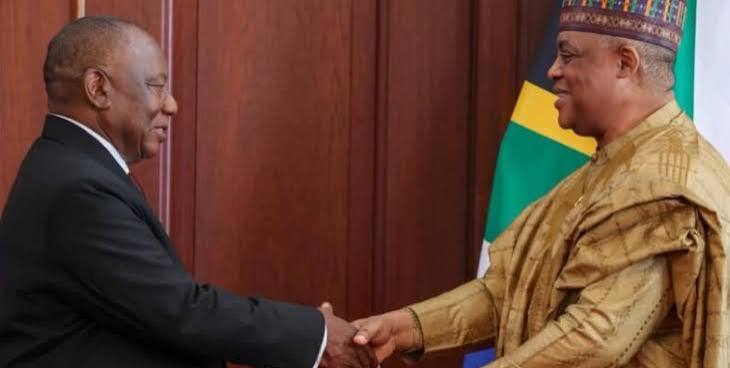
The South African Presidency has released the full recording of Nigerian Ambassador Femi Fani-Kayode’s address to President Cyril Ramaphosa after the envoy protested its omission from an official livestream of a diplomatic ceremony in Pretoria.
 News
US Air Force Captain Arrested in Japan Over Suspected Drunk Driving
Japanese police have arrested a 27-year-old US Air Force captain in Okinawa on suspicion of drunk driving, amid heightened scrutiny of misconduct involving American military personnel stationed in the country.
 News
Ramaphosa’s Spokesman Tells Nigerian Mission to Stop Disgracing Country
South African President Cyril Ramaphosa’s spokesperson, Vincent Magwenya, has criticised Nigeria’s High Commission over its account of an alleged intervention by the President after Nigerian High Commissioner Femi Fani-Kayode’s speech was omitted from a diplomatic ceremony livestream.
 News
Jonathan Urges Nigeria to Abandon Religious, Ethnic Bias in Leadership Selection
Former President Goodluck Jonathan has called for an end to religious, ethnic and other divisive considerations in choosing political leaders, insisting that Nigeria’s development depends on prioritising competence and merit.
Comments (0)
Leave a comment
All comments are moderated before publishing. Your email is never published.