
Nigerians Will Decide Outcome Of 2027 Elections, Not Algorithms — Amupitan
INEC Chairman Joash Amupitan says Nigerians will determine the 2027 election results, while artificial intelligence supports logistics and electoral integrity.
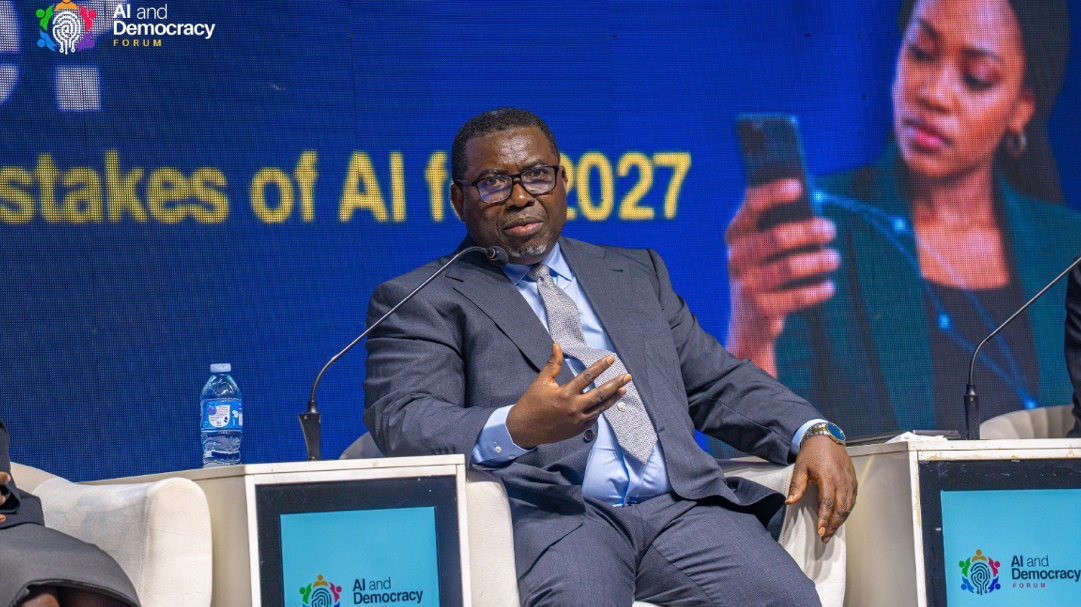
The Chairman of the Independent National Electoral Commission (INEC), Professor Joash Amupitan, has declared that Nigerians, not artificial intelligence or computer algorithms, will determine the outcome of the 2027 general elections.
Amupitan made the statement on Wednesday, October 14, 2026, in Abuja at the Artificial Intelligence and Democracy Forum 2026, organised to examine ways to safeguard Nigeria’s electoral process against emerging technological threats.
Responding to a question about whether algorithms would decide the 2027 vote, the INEC chairman said the choice of Nigeria’s leaders belonged exclusively to the electorate.
“Algorithms will not and must never decide the 2027 vote,” he said, stressing that technology must serve democracy rather than replace the will of voters.
Amupitan acknowledged that artificial intelligence would significantly influence the electoral environment, including the circulation of political information, election logistics and efforts by individuals or groups seeking to manipulate the process.
He warned that AI-generated videos, cloned audio recordings, deepfakes and fabricated electoral announcements could mislead voters, damage candidates’ reputations and undermine public confidence in election results.
According to him, malicious actors could use such technology to impersonate electoral officials, circulate false voting instructions or announce fabricated results before the commission could respond.
To address these risks, Amupitan disclosed that INEC had established a dedicated artificial intelligence unit within its Information and Communication Technology Directorate. The unit is expected to use digital monitoring tools, deepfake detection software and data analytics to identify threats to electoral integrity.
The commission is also developing an AI governance framework intended to ensure that technology is deployed transparently, securely and with appropriate human supervision.
Amupitan said AI could improve election administration through predictive logistics, route optimisation, biometric database management, cybersecurity and the identification of inconsistencies in uploaded polling-unit result sheets.
He explained that geospatial analysis could help the commission deploy personnel and sensitive election materials more efficiently across 176,846 polling units in Nigeria’s 774 local government areas.
However, he insisted that critical electoral decisions, including voter accreditation, result collation and candidate qualification, would not be delegated entirely to autonomous systems.
“Human accountability, statutory oversight and judicial review will remain paramount at every stage of the electoral chain,” he said.
The INEC chairman also urged political parties to adopt ethical guidelines for using AI during campaigns and called on technology companies to address deceptive synthetic media and misleading political advertisements.
He encouraged media organisations to strengthen digital verification and fact-checking, while urging civil society groups to scrutinise the transparency and accountability of electoral technologies.
The forum, co-convened by INEC and Yiaga Africa, brought together electoral officials, political parties, technology companies, security agencies, civil society organisations and media representatives.
Amupitan maintained that although technology could help improve electoral administration, the legitimacy of Nigeria’s democracy would ultimately depend on protecting citizens’ votes and ensuring that electoral outcomes reflect their choices.
Sponsored

Related stories
 News
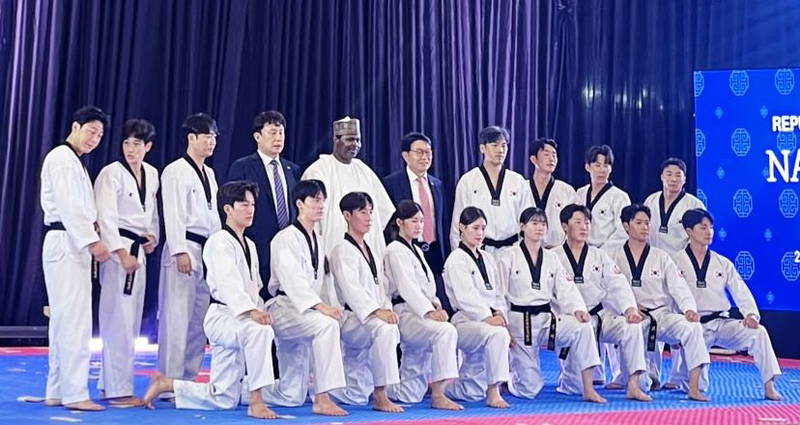
Nigeria, South Korea Seek Stronger Trade, Technology Partnerships
Nigeria and South Korea are seeking stronger trade, investment and technology partnerships to boost manufacturing, create jobs and accelerate economic growth.
 News
FG Eyes 50% Reduction In Malaria Deaths By 2030
Nigeria’s Federal Government targets a 50 per cent reduction in malaria deaths by 2030 through prevention, diagnosis, treatment and improved healthcare access.
 News
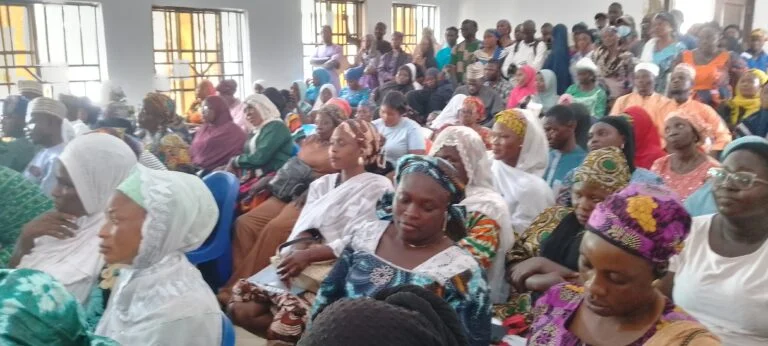
1,220 Sacked Kwara Teachers Beg Governor For Reinstatement
About 1,220 disengaged Kwara teachers have appealed to Governor AbdulRahman AbdulRazaq to reconsider their cases and restore their jobs.
 News
Tinubu Urges Medical College To Solve Doctor ‘Japa’ Syndrome
President Bola Tinubu has tasked the West African College of Physicians with developing practical solutions to doctors’ migration and West Africa’s medical brain drain.
Comments (0)
Leave a comment
All comments are moderated before publishing. Your email is never published.