
Nigerian Cancer Society Calls for Nationwide HPV Vaccination, Cervical Cancer Screening
The Nigerian Cancer Society has issued an urgent call to federal and state governments, healthcare stakeholders, and community leaders to expand HPV vaccination and routine screening, warning that low awareness, vaccine hesitancy, and weak primary healthcare infrastructure are leaving millions of Nigerian women and girls exposed to a largely preventable disease. With cervical cancer still one of the leading causes of cancer deaths among Nigerian women, the society says the time for pilot program
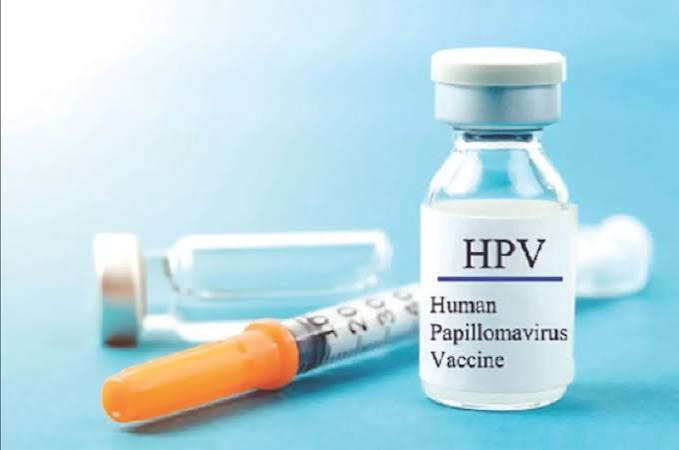
The Nigerian Cancer Society (NCS) has thrown its weight behind a nationwide expansion of Human Papillomavirus (HPV) vaccination and routine cervical cancer screening, warning that Nigeria cannot afford to keep losing women to a disease that is almost entirely preventable.
Speaking during a public health sensitisation briefing on cancer prevention and early detection, NCS officials described cervical cancer as one of the leading causes of cancer-related deaths among Nigerian women,a crisis compounded by low public awareness, vaccine hesitancy, and screening infrastructure that remains concentrated in urban tertiary hospitals while rural and semi-urban communities are left dangerously underserved.
The society commended the Federal Government’s decision to incorporate the HPV vaccine into the national routine immunisation schedule for adolescent girls, describing the rollout as a critical step toward elimination. But it warned that a vaccine on the schedule is not the same as a vaccine in the arm. Millions of girls remain unvaccinated, and millions of women have never undergone a single cervical screening test. The gap between policy and delivery, the NCS argued, is where women are dying.
To close that gap, the society issued a set of blunt recommendations. First, it called for intensified school-based and community-level HPV vaccination drives targeting girls aged nine to 14,before exposure to the virus,rather than waiting for them to present at health facilities. Second, it urged the integration of low-cost visual inspection and Pap smear screening tools into primary healthcare facilities nationwide, so that women can detect precancerous lesions early without travelling long distances or paying prohibitive fees. Third, it pressed for grassroots public enlightenment campaigns in partnership with traditional rulers, religious leaders, and civil society organisations to dispel myths surrounding the HPV vaccine and encourage regular medical checkups.
The emphasis on grassroots engagement is not incidental. In many Nigerian communities, HPV vaccine hesitancy is driven by misinformation, cultural stigma, and distrust of health authorities. Religious and traditional leaders often wield more influence than any government advertisement, and the NCS’s recommendation signals a recognition that top-down messaging has failed to move the needle. Without community ownership, even the most well-funded immunisation drive will stall.
The society also reiterated a familiar but no less urgent point: late presentation at hospitals accounts for the majority of preventable cancer fatalities in Nigeria. Women of reproductive age, it said, should prioritise periodic cervical screening alongside clinical breast examinations, stressing that early detection significantly improves treatment outcomes and survival rates. The message is simple: cervical cancer develops slowly, and screening works. But screening only works if women can access it, afford it, and trust it.
The NCS’s intervention comes at a moment of growing global momentum around cervical cancer elimination. The World Health Organization has set ambitious targets for vaccination, screening, and treatment, and Nigeria has signalled its commitment to those goals. But commitments at international forums mean little if primary healthcare centres lack the equipment, trained personnel, and supply chains to deliver routine screening,or if vaccine doses expire in cold-chain facilities while unvaccinated girls live in the same catchment area.
For the NCS, the path forward is clear. Expanded immunization outreach, affordable screening centres, and grassroots enlightenment are not optional extras,they are the minimum conditions for eliminating cervical cancer as a public health threat in Nigeria. The society’s call is a challenge to federal and state governments, healthcare stakeholders, and community leaders to move from rhetoric to execution. Millions of Nigerian women and girls are waiting. The tools exist. The vaccine exists. The screening technology exists. What remains to be seen is whether the political will exists to deliver them to the communities that need them most.
Sponsored

Related stories
 Health
DUFUHS Invests ₦450m in Ebonyi Hospital, Provides Free Care to 1,500 Patients
The David Umahi Federal University of Health Sciences has handed over ₦450 million worth of medical equipment to its teaching hospital, including a ₦32 million handheld blood analyser, incubators, defibrillators, and vital signs monitors. Vice-Chancellor Prof. Jesse Uneke says the TETFund-backed intervention will transform medical training and clinical services—and the hospital’s Chief Medical Director has revealed that over 1,500 patients have already received free treatment, including MRI sca
 Health
WHO Warns: Only 42 of 173 Countries Have Funded AMR Action Plans
The World Health Organization has warned that the global fight against antimicrobial resistance is being undermined by a cavernous funding gap, with only 42 of 183 surveyed countries reporting that their national action plans are both financed and implemented. As World AMR Awareness Week begins under the theme “One Health, One Action: Prevent AMR Now,” WHO officials say the distance between pledges and payment is now a matter of life and death—4.7 million deaths were associated with bacterial AM
 Health
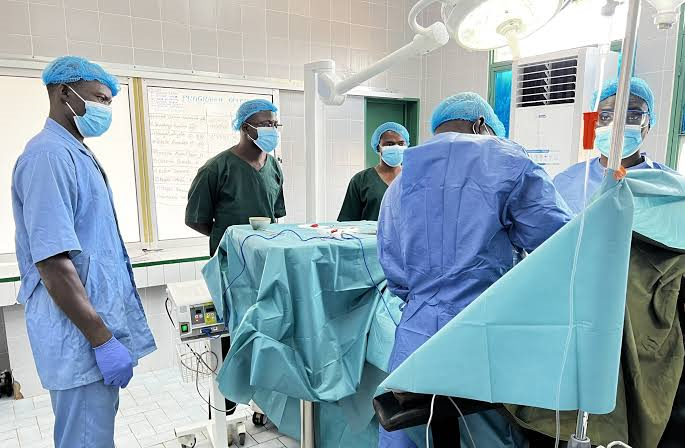
Mangal Foundation Provides 2,800 Free Surgeries, Reaches 10,200 in Katsina
The Dahiru Bara’u Mangal Foundation has expanded its free healthcare intervention in Katsina to cover fibroid, appendicitis, hernia and hydrocele surgeries for 2,800 beneficiaries, bringing the total number of people reached in 2026 alone to over 10,200. Backed entirely by the foundation’s founder, the outreach is a striking example of private philanthropy filling gaps the state’s health system has struggled to close.
 Health
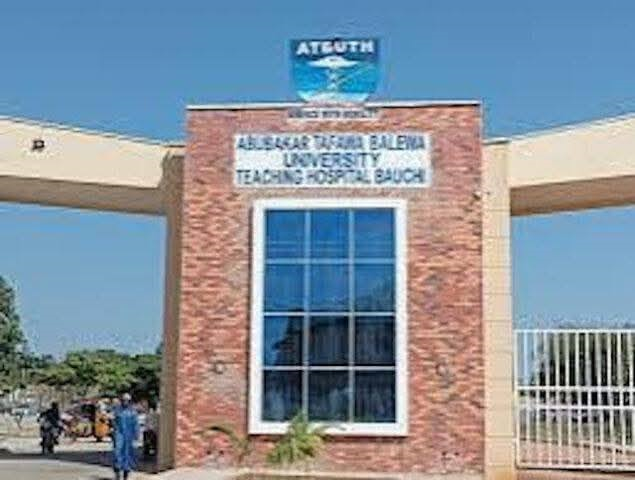
ATBUTH Cuts Dialysis Fee by 70% to ₦12,000 for Kidney Patients
The Abubakar Tafawa Balewa University Teaching Hospital (ATBUTH) in Bauchi has revised its renal dialysis fee to ₦12,000 per session, down from ₦40,000—a 70 per cent reduction driven by the Federal Ministry of Health’s continued provision of essential consumables. With over 897 patients already benefiting, the intervention offers a critical reprieve for kidney disease patients across the Northeast, but it also raises questions about sustainability and the broader reach of Nigeria’s subsidised di
Comments (0)
Leave a comment
All comments are moderated before publishing. Your email is never published.