
Nigeria, South Korea Seek Stronger Trade, Technology Partnerships
Nigeria and South Korea are seeking stronger trade, investment and technology partnerships to boost manufacturing, create jobs and accelerate economic growth.
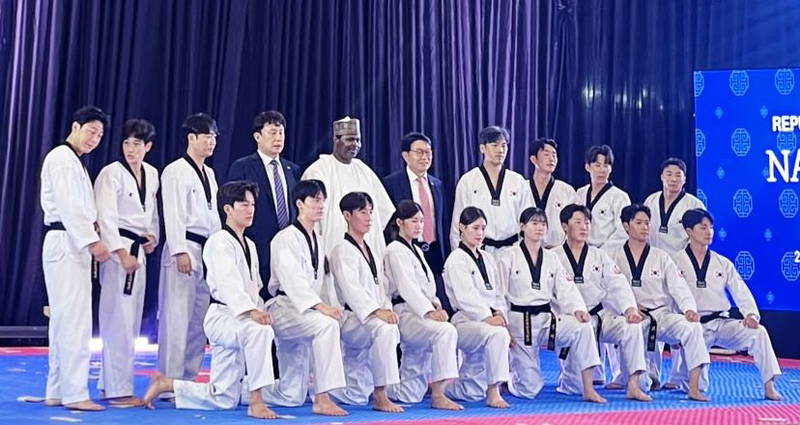
Nigeria and South Korea have reaffirmed their commitment to strengthening economic relations, with both countries seeking expanded cooperation in trade, investment, technology and skills development.
The commitment was highlighted at a reception in Abuja on Friday, October 23, 2026, to commemorate South Korea’s National Day.
Nigeria’s Ministry of Foreign Affairs was represented by its Chief of Protocol, Ambassador Babagana Wakil, on behalf of the Minister of Foreign Affairs, Bianca Odumegwu-Ojukwu.
Wakil emphasised Nigeria’s interest in attracting South Korean investment beyond the oil and gas sector, particularly in manufacturing, automobile assembly, shipbuilding, agriculture and technology.
He noted that stronger economic relations could support Nigeria’s efforts to diversify its economy, increase non-oil exports, create employment opportunities and strengthen local industries.
Agriculture was identified as an important area for collaboration, with Nigeria seeking to benefit from South Korea’s experience in mechanisation, rice production and agro-processing. The countries also expressed interest in cooperation involving education, digital technology, research, scholarships and technical training.
Maritime cooperation, shipbuilding, fisheries and security were also highlighted as areas with potential for deeper engagement.
The Nigerian government further expressed willingness to host the seventh session of the Nigeria–South Korea Joint Commission in Abuja. The previous session was held in 2021.
South Korea’s Ambassador to Nigeria, Jeong Yoan, highlighted development initiatives supporting education, entrepreneurship and agricultural development. These include programmes designed to strengthen technical skills, support young people and improve educational opportunities.
Existing cooperation has also involved Korean businesses operating in Nigeria, alongside initiatives focused on infrastructure, technology and human-capital development.
Both countries are seeking to translate their longstanding diplomatic relations into practical economic benefits through increased private-sector participation, technology transfer and stronger institutional partnerships.
The renewed commitment comes as Nigeria pursues economic diversification and seeks international partners capable of supporting industrial growth, innovation and sustainable development.
Stronger implementation of proposed initiatives could help expand bilateral trade, improve technical capacity and create new opportunities for businesses and workers in both countries.
Sponsored

Related stories
 News
FG Eyes 50% Reduction In Malaria Deaths By 2030
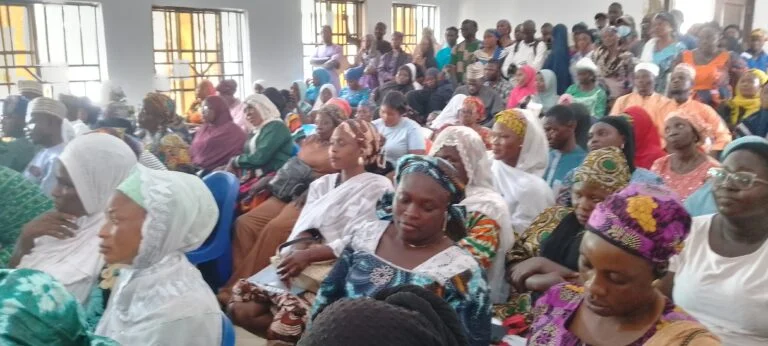
Nigeria’s Federal Government targets a 50 per cent reduction in malaria deaths by 2030 through prevention, diagnosis, treatment and improved healthcare access.
 News
1,220 Sacked Kwara Teachers Beg Governor For Reinstatement
About 1,220 disengaged Kwara teachers have appealed to Governor AbdulRahman AbdulRazaq to reconsider their cases and restore their jobs.
 News
Nigerians Will Decide Outcome Of 2027 Elections, Not Algorithms — Amupitan
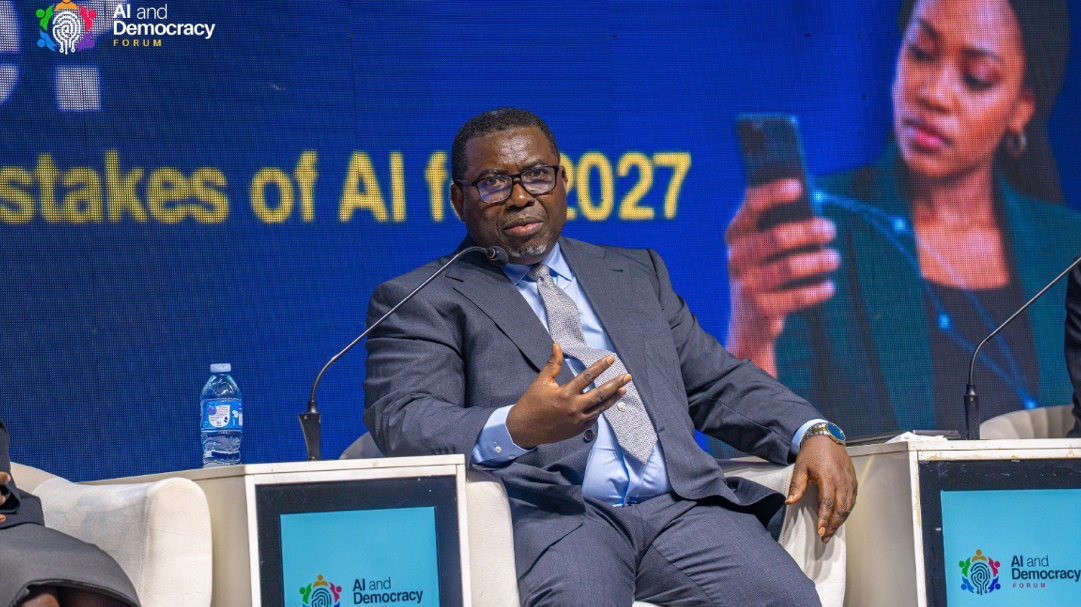
INEC Chairman Joash Amupitan says Nigerians will determine the 2027 election results, while artificial intelligence supports logistics and electoral integrity.
 News
Tinubu Urges Medical College To Solve Doctor ‘Japa’ Syndrome
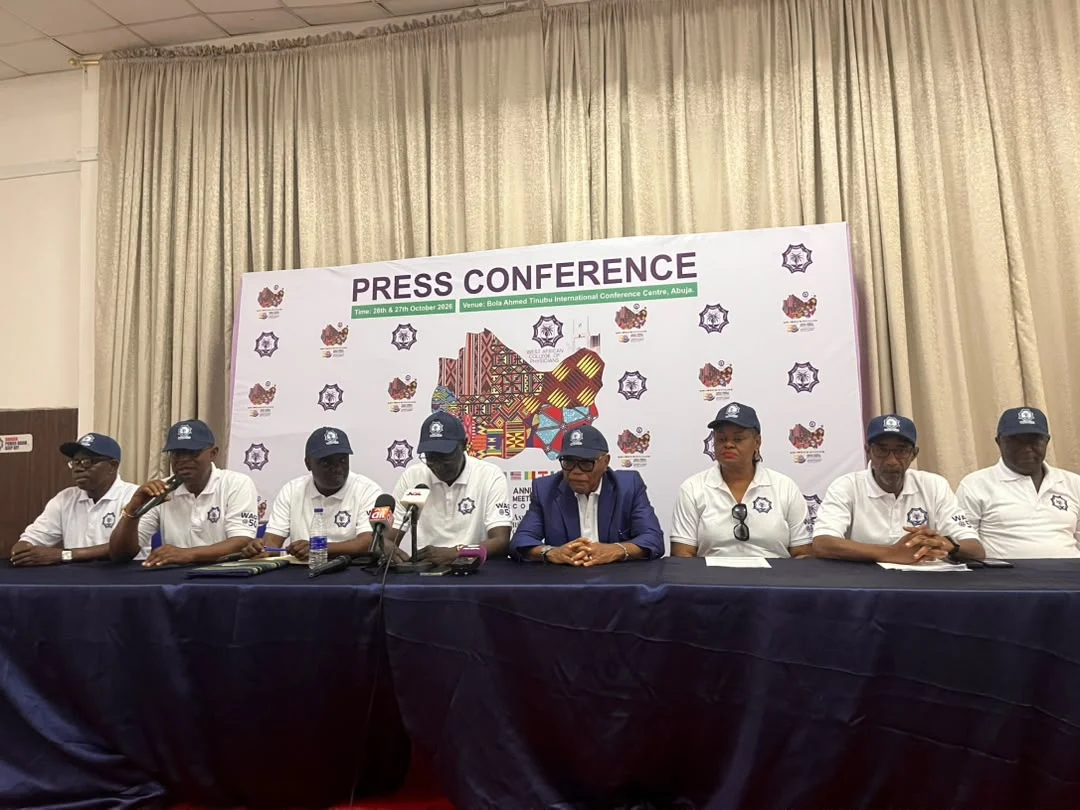
President Bola Tinubu has tasked the West African College of Physicians with developing practical solutions to doctors’ migration and West Africa’s medical brain drain.
Comments (0)
Leave a comment
All comments are moderated before publishing. Your email is never published.