
Nigeria’s Reckoning: From Oil Boom To Structural Uncertainty
Nigeria’s economy has long been driven by crude oil revenue, which has supported government spending and growth but also created vulnerability to global price shocks, with ongoing policy efforts now focused on diversifying into agriculture, manufacturing, and services to reduce dependence on a single commodity.
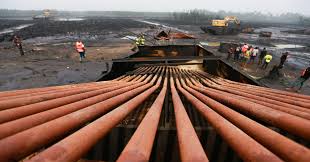
Nigeria’s economic journey has been closely tied to crude oil for more than half a century, with petroleum revenues shaping everything from public spending to foreign exchange stability and national development priorities.
The discovery and rapid expansion of oil production in the late 20th century positioned Nigeria as one of Africa’s most resource-rich economies. During major oil booms, especially in the 1970s and early 2010s, high global prices generated substantial government revenue and enabled large-scale infrastructure spending, imports, and budget expansion.
However, economists and policy analysts note that the reliance on oil has also created deep structural vulnerabilities. Rather than translating consistently into industrialisation and broad-based economic transformation, oil wealth has often reinforced dependency, with public finances heavily exposed to global price swings.
Over time, fluctuations in crude prices have repeatedly triggered fiscal stress, exchange rate pressure, and budget shortfalls. This volatility has highlighted the risks of a mono-resource economy, particularly one where non-oil revenue generation remains comparatively weak.
Recent discussions around Nigeria’s economic direction increasingly focus on diversification efforts, including agriculture, technology, manufacturing, and services. While these sectors have shown growth, oil still accounts for a significant share of export earnings and government revenue, making the transition gradual rather than immediate.
Policy reforms in the energy sector, including attempts to improve production efficiency, attract investment, and strengthen regulatory frameworks, are part of broader efforts to stabilise the industry and maximise value from existing resources.
Analysts argue that Nigeria’s long-term challenge is not the presence of oil itself, but how effectively it is managed to build resilience, strengthen institutions, and reduce dependency on a single commodity cycle.
Ultimately, the “reckoning” lies in whether oil wealth can be transformed from a cyclical driver of boom-and-bust economics into a foundation for sustainable and diversified growth.
Sponsored

Related stories
 News
News
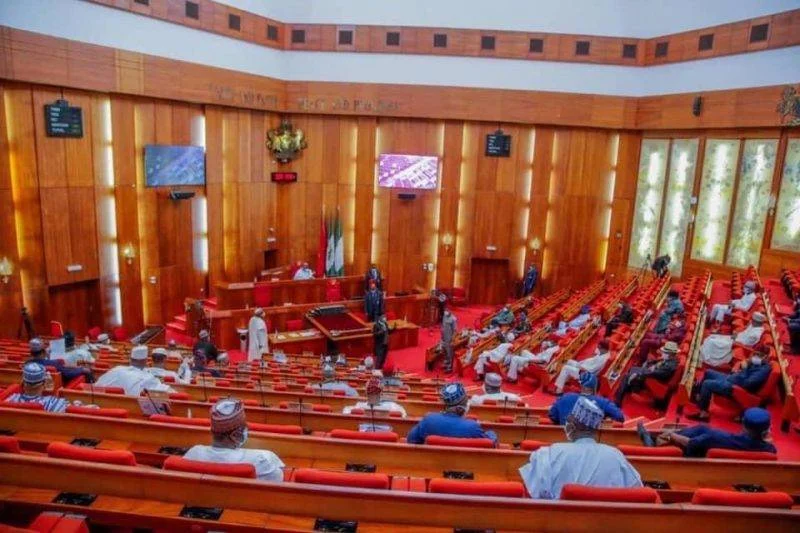
Ondo Air Crash: Senate Seeks Audit of NAF Aircraft, Maintenance Funds
Senators demand an audit of military aircraft and maintenance spending following the fatal Nigerian Air Force crash in Ondo.
 News
News
NAF Sets Up 12-Member Board to Probe Ondo Air Crash
The Nigerian Air Force appoints a 12-member investigation board to determine the circumstances surrounding the fatal Ondo aircraft crash.
 News
News
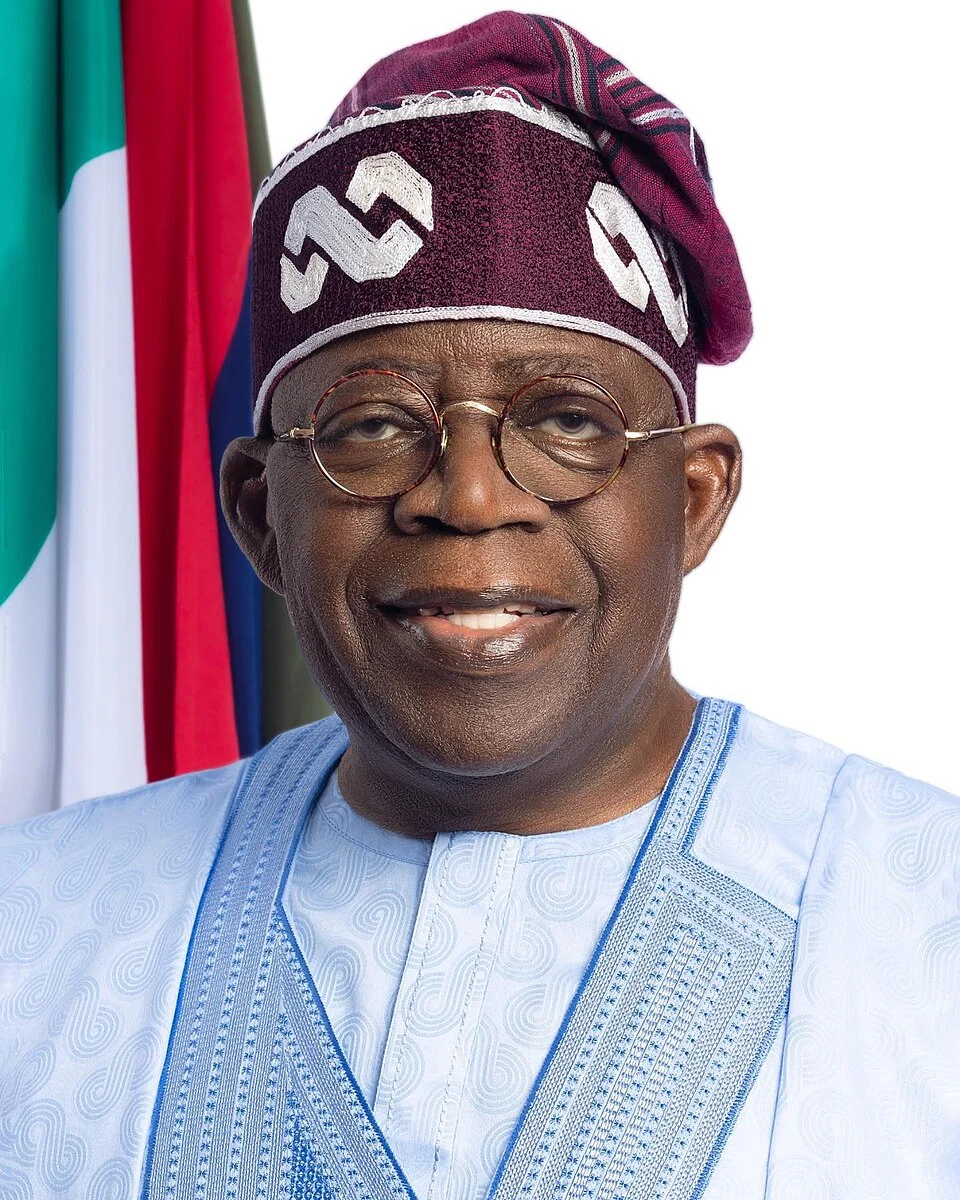
Tinubu Transmits NDLEA, NSIB Amendment Bills to Senate
Tinubu sends two bills to Senate proposing tougher drug enforcement laws and broader safety investigations.
 News
News
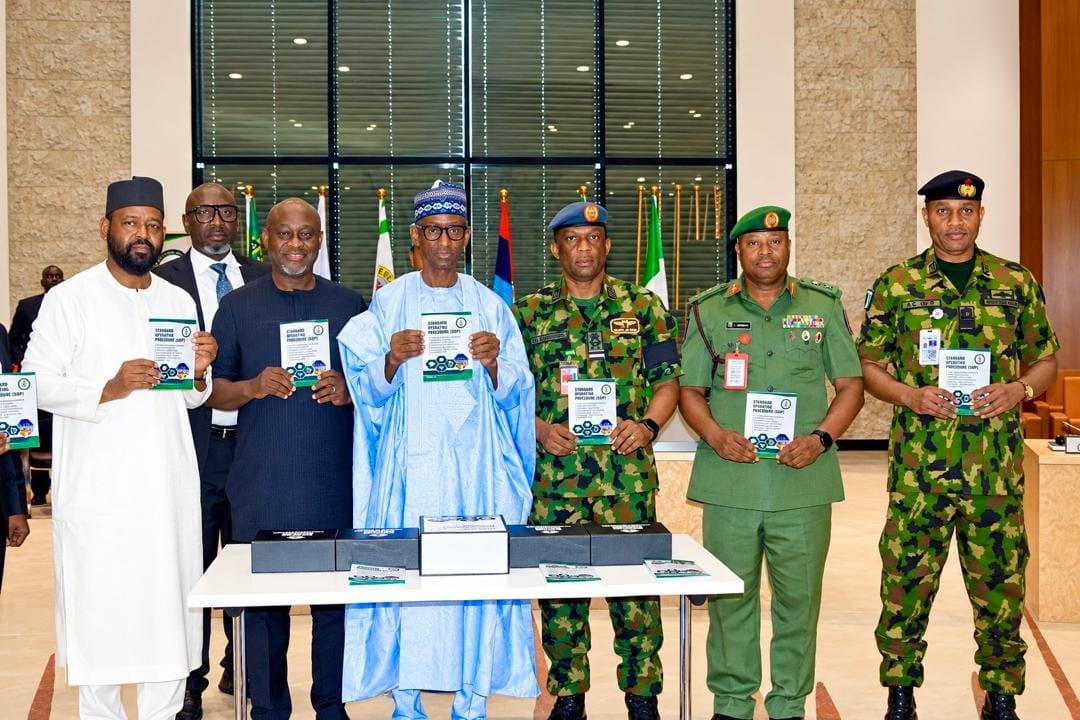
NSA Unveils New Security Framework to Tackle Oil Theft, Pipeline Vandalism
Nuhu Ribadu unveils standard procedures to coordinate security agencies and contractors, protect oil infrastructure and curb crude theft.
Comments (0)
Leave a comment
All comments are moderated before publishing. Your email is never published.