
Nigeria’s Power Generation Plunges From 3,840MW to 477MW
Nigeria’s grid electricity generation fell from about 3,840 megawatts at 7 am to 476.70MW by 1 pm on Monday, triggering outages in parts of the country. The Nigerian Independent System Operator, however, denied that a national grid collapse had occurred, saying the interruptions could be linked to local faults.
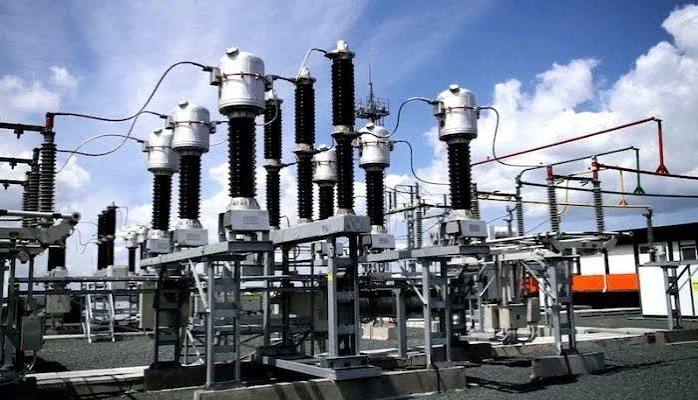
Nigeria’s electricity generation dropped sharply from approximately 3,840 megawatts (MW) to 476.70MW on Monday, disrupting power supply in parts of the country and raising fresh concerns about the stability of the national electricity system.
Data from the Nigerian Independent System Operator’s (NISO) online dashboard showed that grid generation stood at about 3,840MW at 7 am before falling significantly around 12:40 pm. By 1 pm, total output had declined to 476.70MW.
The decline of more than 3,300MW left most power plants reporting no electricity generation on the grid. Only a few stations, including Odukpani National Integrated Power Project, Omotosho and Sapele, were contributing limited output at the time.
Major generating stations such as Egbin, Jebba, Shiroro and Kainji, alongside several gas-fired plants, recorded zero generation in the 1 pm figures.
The sharp reduction coincided with reports of electricity interruptions, as consumers complained about power outages between approximately 12:45 pm and 1:20 pm. A subsequent dashboard reading at 1:23 pm put generation at about 480MW, with only five generating companies recording output.
The incident adds to recurring concerns over electricity supply reliability and grid disturbances in Nigeria. The Federal Government has recently approved plans to develop eastern and western power grids as part of efforts to improve system stability and reduce the impact of failures affecting the national network.
Despite the substantial drop in generation, NISO dismissed claims that the national grid had collapsed.
A senior official of the system operator said there was no system-wide disturbance at the time, suggesting that the outages reported by consumers could have resulted from local faults.
The official explained that local equipment tripping and other temporary interruptions did not necessarily indicate a national grid collapse, adding that the operator had directed its technical team to conduct an immediate system check to identify any abnormalities.
The sharp fall in available generation nevertheless highlights the vulnerability of electricity supply to sudden changes in grid output, with implications for households, businesses and industrial users that depend on reliable power.
Sponsored

Related stories
 News
Dangote Eyes 500,000-Tonne Cocoa Deal in Ghana
Nigerian billionaire Aliko Dangote is in talks with Ghana to process 500,000 metric tonnes of cocoa locally under a proposed agreement aimed at expanding value addition.
 News
Oyo Begins Verification for Circular Road Compensation
Oyo State Government will begin verifying property owners affected by the second segment of the Ibadan Circular Road ahead of compensation payments.
 News
Fani-Kayode Accuses South African Presidency of Excluding His Speech from Letters of Credence Livestream
Nigeria’s High Commissioner to South Africa, Femi Fani-Kayode, has protested the omission of his speech from a presidential livestream, alleging deliberate exclusion.
 News
FCC Files Charges Against Customs CG Over Failure to Provide 2025/2026 Recruitment Information
The Federal Character Commission has filed criminal charges against Customs and its Comptroller-General over alleged breaches of recruitment monitoring and disclosure requirements.
Comments (0)
Leave a comment
All comments are moderated before publishing. Your email is never published.