
Nigeria’s HIV Cases Decline in Four Months
Nigeria’s HIV Cases Decline in Four Months
Nigeria recorded a steady decline in reported HIV cases between January and April 2026, amid rising uptake of Lenacapavir, a newly introduced twice-yearly HIV prevention injection across several states.
Data from the National Data Repository showed that confirmed cases dropped consistently over the four-month period, from 8,494 in January to 7,893 in February, 7,814 in March, and 6,458 in April.
The Federal Government has begun rolling out Lenacapavir, a long-acting injectable used for both HIV prevention and treatment support among high-risk populations. The drug is administered once every six months and is being introduced as part of national HIV control efforts.
The initial implementation phase covers eight states: Akwa Ibom, Anambra, Benue, Cross River, Ebonyi, Gombe, Kano, and Kwara, as well as the Federal Capital Territory (FCT).
According to health authorities, demand for the injection has been rising since its introduction, with officials attributing part of the decline in reported cases to improved prevention coverage.
Nigeria received its first shipment of the drug on March 10, 2026, with over 52,000 doses secured for the rollout. So far, 11,520 doses have been distributed nationwide.
The Federal Ministry of Health and Social Welfare described the development as a major milestone in Nigeria’s effort to eliminate HIV as a public health threat.
The National AIDS, Viral Hepatitis and STIs Control Programme said the injectable offers sustained protection and improves adherence to prevention among people at risk.
Sponsored

Related stories
 Health
Diri Orders Free Quarterly Health Checks for All Bayelsa Residents at Secondary Facilities
Governor Douye Diri has directed Bayelsa's Ministry of Health to begin free quarterly medical check-ups across all eight local government areas, aimed at helping residents who cannot afford routine screening and promoting early detection of diseases.
 Health
‘Priceless Gift of Sight’ Reaches 400,000 Beneficiaries
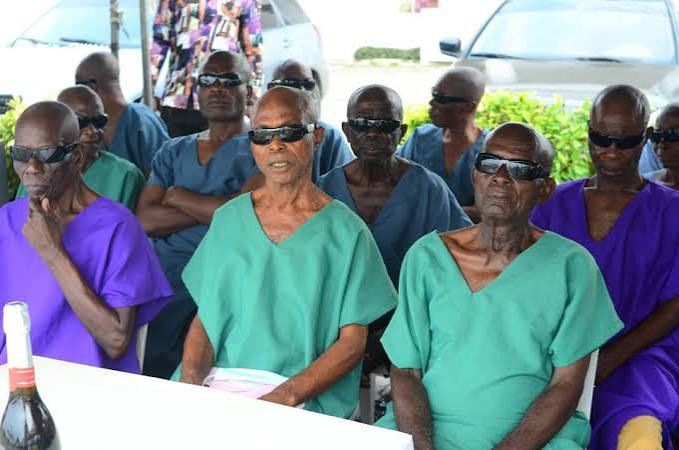
FCMB and the Tulsi Chanrai Foundation say their 15-year eye care partnership has reached over 400,000 Nigerians, as a World Sight Day roundtable in Abuja pushes for private-sector funding to sustain and expand care.
 Health
FUNAAB Launches Africa’s First AI Disease Surveillance System
Researchers at the Federal University of Agriculture, Abeokuta, have developed IDS-Master, a groundbreaking AI-powered surveillance system that detects infectious disease outbreaks in real time by analysing reports from community leaders, health agents, and ordinary residents. Described as Africa's first fully AI-driven event-based surveillance platform, the innovation promises to bridge critical gaps in outbreak detection across underserved rural communities where delays in reporting can cost l
 Health
NAFDAC Seeks Global Partners for Local Vaccine Production
The Director-General of the National Agency for Food and Drug Administration and Control (NAFDAC), Prof. Mojisola Adeyeye, has called on international partners to support the establishment of vaccine manufacturing facilities in Nigeria, saying local production is the missing link in the agency’s push to attain World Health Organisation Maturity Level 4 for vaccine lot release. She spoke at the 8th Nigeria Pharma Manufacturers’ Expo in Lagos, where she commended President Bola Tinubu’s Executive
Comments (0)
Leave a comment
All comments are moderated before publishing. Your email is never published.