
Nigeria Has Witnessed Massive Drop in Oil Revenue Reliance — Tinubu
President Bola Tinubu says Nigeria is reducing its dependence on oil as non-oil exports and other revenue sources expand.
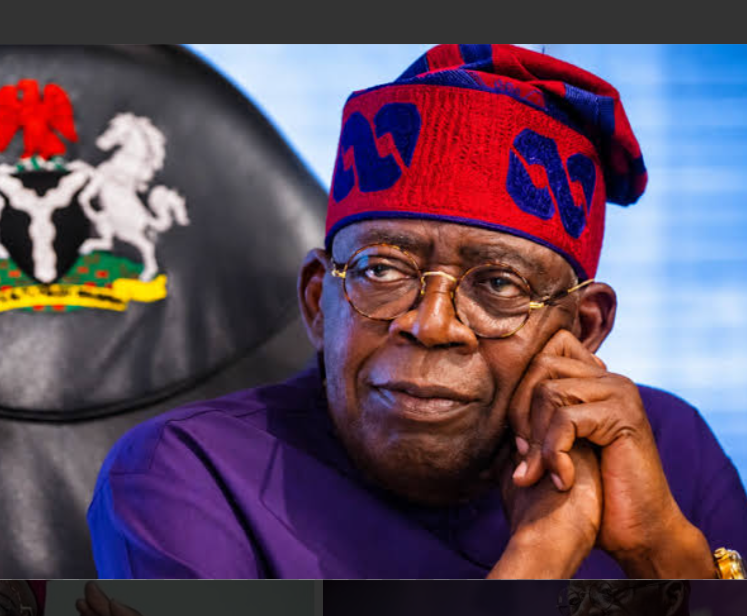
President Bola Tinubu has said Nigeria has witnessed a significant reduction in its reliance on oil revenues as his administration’s economic reforms continue to reshape the country’s fiscal outlook.
Tinubu made the assertion in his Independence Day address on October 1, where he highlighted developments in the economy since his administration assumed office in 2023.
According to the President, Nigeria’s economy has become increasingly diversified, with both the oil and non-oil sectors contributing to recent growth.
He said the country recorded its highest-ever revenue from non-oil exports in 2025, exceeding $6 billion, describing the development as evidence of growing activity by Nigerian businesses outside the traditional oil sector.
Tinubu also said oil theft had declined, while foreign reserves had been rebuilt and the foreign exchange market had stabilised.
The President said the economy grew by more than four per cent in 2026, adding that inflation had fallen substantially from its peak.
He attributed the changes partly to reforms introduced since 2023, including the removal of fuel subsidies and changes to the foreign exchange system.
The administration has argued that the reforms were necessary to address structural weaknesses that had left public finances heavily exposed to fluctuations in oil earnings.
In February 2026, Tinubu also directed that oil and gas revenues owed to the government be paid directly into the Federation Account. The measure was designed to increase government revenue by ending deductions and retained funds previously held by some agencies and the national oil company.
The President said the government had now moved beyond the emergency phase of its reforms and was focusing on achieving broader prosperity.
“Our objective is not to manage poverty more efficiently. We will defeat it,” Tinubu said, while outlining plans to reduce production and transportation costs, expand agriculture and invest in infrastructure.
The government has continued to face criticism over the impact of its reforms on households, particularly through high living costs and inflation. However, the administration maintains that stronger revenue generation, improved oil production, rising non-oil activity and increased investment are creating the foundation for longer-term economic growth.
Tinubu said the next phase of his administration would focus on turning the gains from the reforms into improved living standards and wider economic opportunities for Nigerians.
Sponsored

Related stories
 News
News
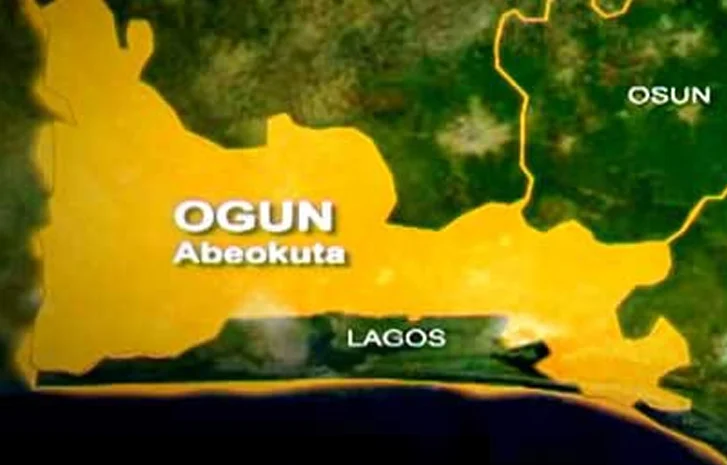
Ogun Man Jailed For Counterfeiting Coleman Cables
An Ogun State court has sentenced Samson Okonkwo to imprisonment without an option of fine for selling counterfeit Coleman electrical cables.
 News
News
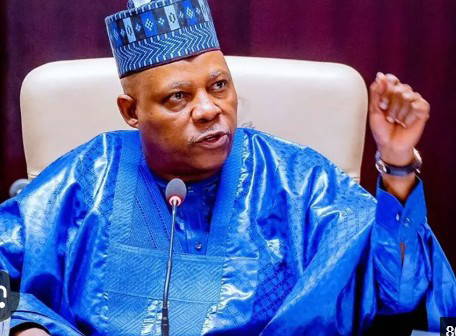
Beyond Spouting Statistics, Peter Obi Has Nothing To Offer — Shettima
Vice-President Kashim Shettima has criticised Peter Obi’s economic proposals while defending the Tinubu administration’s decision to remove petrol subsidy.
 News
News
Microsoft Offers Voluntary Exit Packages To 60,000 Staff
Microsoft has introduced voluntary exit packages for about 60,000 employees across four countries as it adjusts its workforce amid heavy investment in artificial intelligence.
 News
News
Military Strikes ISWAP Enclaves In Lake Chad, Kills 16 Terrorists
Nigerian military airstrikes targeting insurgent positions around Lake Chad reportedly killed 16 fighters as Operation Hadin Kai intensified counterterrorism operations.
Comments (0)
Leave a comment
All comments are moderated before publishing. Your email is never published.