
Nigeria Faces Blood Crisis as Supply Fails to Meet Demand
Nigeria’s blood supply remains below national demand, raising concerns over emergency care, maternal health and treatment for patients requiring regular transfusions.
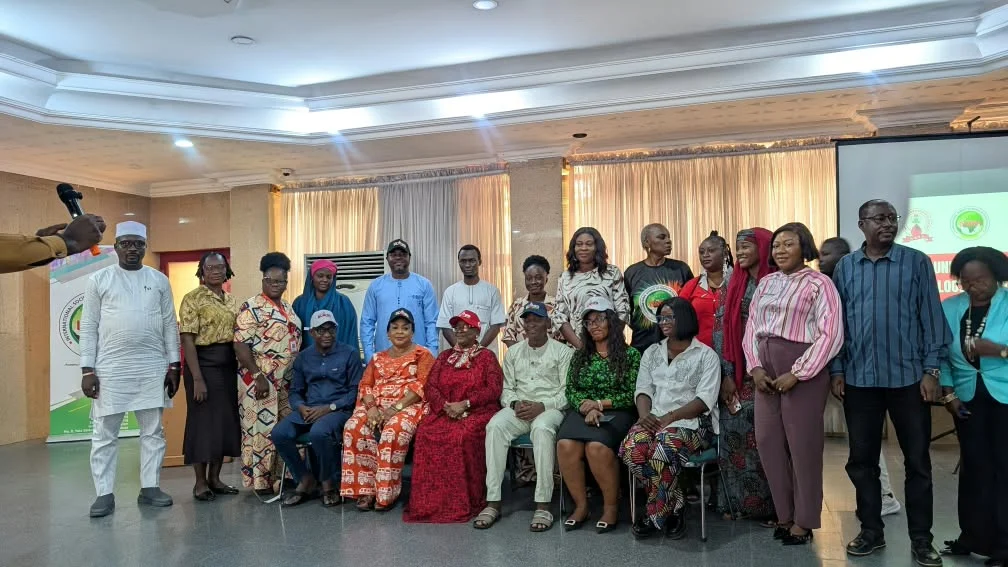
Nigeria is facing a persistent shortage of safe blood, with available supplies falling short of demand from hospitals and healthcare facilities across the country.
The shortage poses a major challenge to emergency medical services, particularly for accident victims, women experiencing complications during childbirth, children with severe anaemia and patients undergoing surgery or receiving treatment for conditions that require regular blood transfusions.
Blood banks and transfusion services depend heavily on voluntary donations, but low public participation, inadequate collection facilities and logistical challenges continue to affect availability.
The situation also raises concerns about access to safe blood, as healthcare providers must ensure that donated blood is properly screened for transfusion-transmissible infections before it is administered to patients.
Nigeria’s National Blood Service Agency (NBSA) has continued to advocate voluntary, non-remunerated blood donation as a sustainable way to improve the country’s blood supply and reduce dependence on replacement donations from relatives of patients.
Health experts have repeatedly stressed that regular voluntary donations are essential because blood and its components have a limited shelf life. This makes consistent donations necessary to maintain adequate stocks for hospitals.
The shortage is particularly concerning in maternal healthcare, where severe bleeding during pregnancy, childbirth or after delivery can become life-threatening without prompt access to compatible blood.
Patients with sickle cell disease and other medical conditions requiring repeated transfusions are also affected by inconsistent availability.
Addressing the challenge requires stronger investment in blood collection and processing centres, improved storage and transportation systems, public awareness campaigns and closer coordination between hospitals and blood service agencies.
The NBSA and other health stakeholders have encouraged healthy Nigerians who meet donation requirements to participate in voluntary blood donation programmes.
They have also called for stronger partnerships with corporate organisations, community groups, religious institutions and educational establishments to promote regular donation drives.
Health authorities maintain that improving voluntary donation rates and strengthening the national blood transfusion system are critical to ensuring that safe blood is available when patients need it.
Sponsored

Related stories
 News
NDC Chieftain Faults FG’s Appeal Against £420m Enugu Coal Miners’ Compensation Ruling
A chieftain of the Nigeria Democratic Congress, Okenna Peter Agubuzu, has criticised the Federal Government’s appeal against a £420 million compensation judgment for families of 21 coal miners killed during the 1949 Iva Valley Massacre, urging the government to withdraw the appeal.
 News
One Dead as Three Trucks Collide on Lagos-Ibadan Expressway
One person has died following a collision involving three trucks along the Lagos-Ibadan Expressway in Ogun State. The accident occurred around the BNX axis, with traffic authorities confirming that the affected vehicles had been evacuated and normal movement restored.
 News
Stakeholders Demand Safeguards Against Risks of Industrial Animal Farming
Environmental and agricultural stakeholders have urged the Federal Government to introduce stronger regulations, ensure transparency and protect local farmers and host communities as Nigeria considers a proposed $2.5bn investment in industrial animal farming by Brazilian meat-processing company, JBS.
 News
Oyo APM Tells Tinubu Nigerians Need Better Living Conditions, Not Name-Calling
The Allied Peoples’ Movement (APM) in Oyo State has criticised President Bola Tinubu over his remarks at the APC rally in Ibadan, urging him to focus on improving Nigerians’ living conditions rather than attacking political opponents.
Comments (0)
Leave a comment
All comments are moderated before publishing. Your email is never published.