
Nigeria Cannot Progress With ‘Voodoo Governance’, Bakare Says
APC chieftain Lukman Taiwo Bakare has urged Nigerians to look beyond short-term consumer relief, arguing that sustainable growth requires increased production, infrastructure investment and continuity in economic reforms.

Public affairs analyst and All Progressives Congress APC chieftain, Otunba Lukman Taiwo Bakare, has said Nigeria cannot achieve sustainable development through what he described as “voodoo style of governance”.
Bakare made the remarks while assessing Nigeria’s socio-economic development ahead of the 2027 general elections, arguing that the country needed to prioritise production, infrastructure and long-term economic reforms over short-term consumer relief.
He said Nigeria’s relatively strong currency and lower cost of living in the 1970s and early 1980s were largely driven by high domestic production and exports rather than government subsidies.
According to him, Nigeria was then a major producer of cocoa, palm oil and groundnuts, while much of the food consumed in the country was produced locally.
He also recalled that the country had stronger local manufacturing capacity, including vehicle assembly, and argued that increased production and exports remained key to sustaining a strong currency.
Bakare criticised successive administrations for allocating public resources to subsidising consumption instead of investing sufficiently in infrastructure and productive sectors.
He particularly called for greater investment in roads, agriculture and electricity, saying these areas were critical to reducing production and transportation costs and strengthening the economy.
The APC chieftain also urged Nigerians to demand accountability from government officials over infrastructure projects, including regular updates on the progress of major road projects.
He warned against abandoning ongoing structural reforms after the 2027 elections, stressing that sustainable development required policy continuity and effective implementation.
Bakare said Nigeria’s economic challenges could not be resolved by returning to fuel and foreign exchange subsidies, but required stronger domestic production and an economy capable of generating greater export earnings.
He urged citizens to focus on long-term economic transformation and hold governments accountable for delivering measurable improvements in infrastructure, agriculture, power and other productive sectors.
Sponsored

Related stories
 News
News
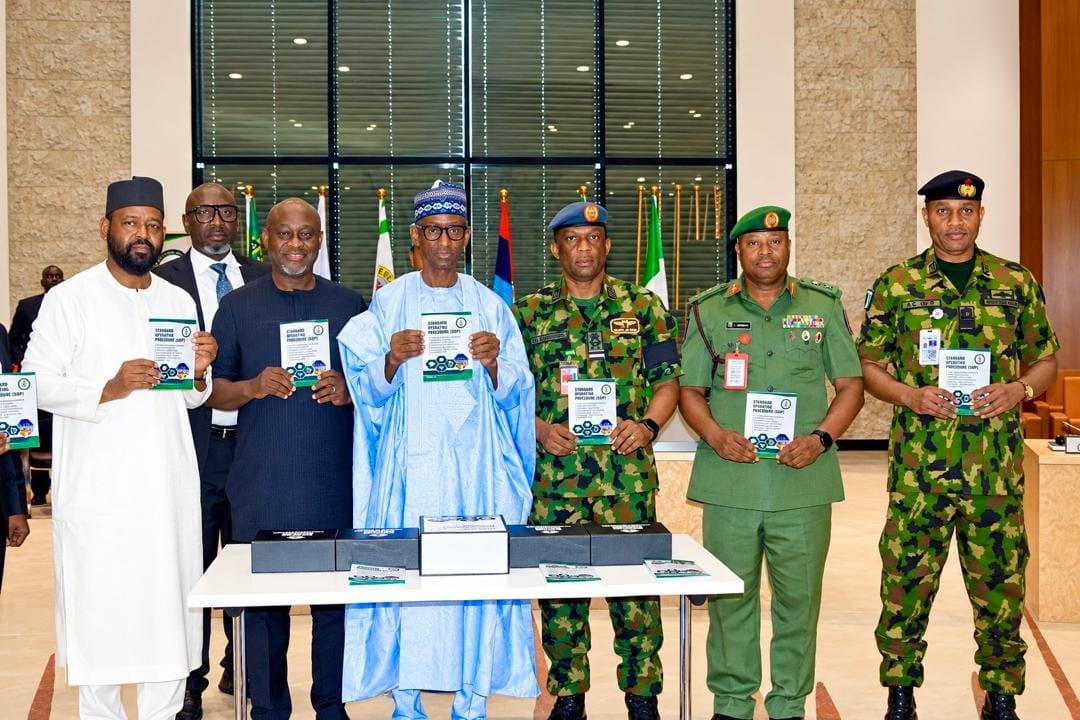
NSA Unveils New Security Framework to Tackle Oil Theft, Pipeline Vandalism
Nuhu Ribadu unveils standard procedures to coordinate security agencies and contractors, protect oil infrastructure and curb crude theft.
 News
News
Child Soldier: US Threatens to Cut Military Aid to Nigeria
US listing cites child recruitment by Boko Haram and ISWAP, threatening restrictions on military assistance.
 News
News
IMF Warns Poverty Risks Persist Despite Nigeria’s Economic Stability
The IMF warns that rising food and energy prices continue to threaten vulnerable Nigerians despite improving economic stability and growth.
 News
News
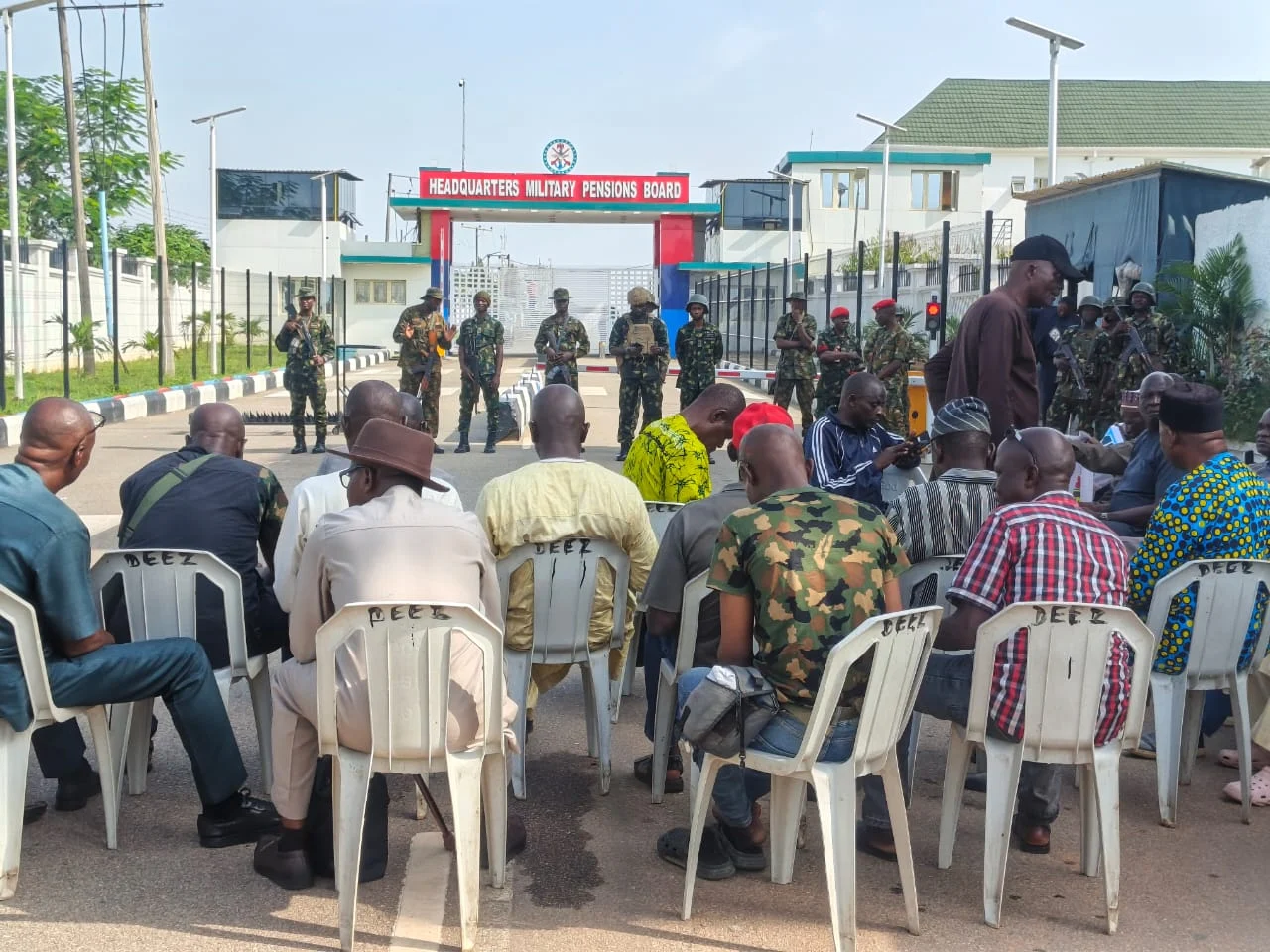
Military Veterans Block Pensions Board Entrance, Demand Fair Adjustment
Retired military personnel in Abuja protest pension calculations, demanding a fair review of adjustments linked to salary increases.
Comments (0)
Leave a comment
All comments are moderated before publishing. Your email is never published.