
Next-Generation TB Vaccines Could Save 7.3 Million Lives by 2050, Says Gavi
New tuberculosis vaccines expected to reach the market from 2029 could save an estimated 7.3 million lives and generate up to $135 billion in economic benefits for low- and middle-income countries by 2050, ending more than a century of reliance on a single licensed TB vaccine.
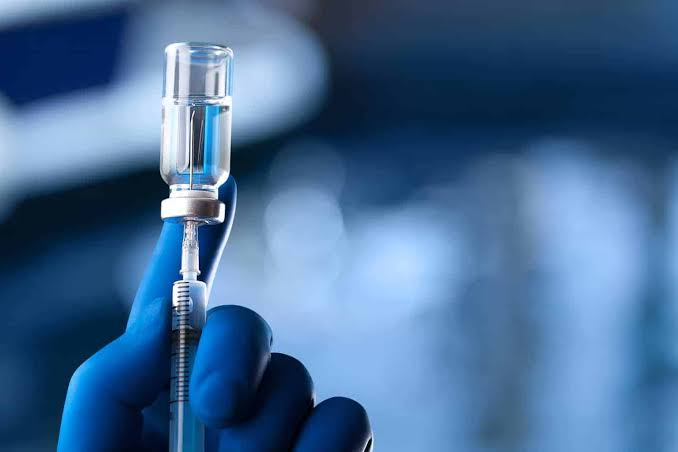
The global fight against tuberculosis (TB) is set for a major breakthrough, with next-generation vaccines expected to become available from 2029, potentially ending more than a century of reliance on a single licensed vaccine against the disease.
According to information shared by Gavi, the Vaccine Alliance, on its official social media handle, the new vaccines could save an estimated 7.3 million lives by 2050. The update also projected that the vaccines could generate up to $135 billion in economic benefits for low- and middle-income countries over the same period, reflecting the substantial productivity and healthcare cost savings that could follow from significantly reducing TB transmission worldwide.
Gavi's update highlighted that the world has depended on a single licensed TB vaccine, the Bacillus Calmette-Guérin (BCG) vaccine, for more than a century. First introduced in 1921, BCG remains the only vaccine currently approved for preventing tuberculosis, and while it offers meaningful protection against severe forms of the disease in infants and young children, its effectiveness in preventing the more common pulmonary form of TB in adolescents and adults has long been considered limited, a gap that has driven decades of research into more effective alternatives.
The projected health and economic gains from the incoming vaccines underscore the importance of accelerating research, development, and equitable access to innovative TB prevention tools, particularly in countries bearing the highest burden of the disease. Tuberculosis remains one of the world's leading infectious disease killers, with low- and middle-income countries accounting for the overwhelming majority of both cases and deaths globally, a pattern that has persisted despite decades of public health interventions targeting the disease.
The anticipated new vaccines are expected to strengthen global efforts to reduce TB transmission, prevent new infections, and support progress toward international targets aimed at ending the epidemic. Several TB vaccine candidates have been progressing through clinical trials in recent years, part of a renewed global push to develop more effective immunisation tools following the relative success of accelerated vaccine development seen during the COVID-19 pandemic, which demonstrated that previously lengthy vaccine development timelines could, under the right conditions, be substantially compressed.
For countries like Nigeria, which carries one of the highest tuberculosis burdens in Africa, the prospect of more effective vaccines reaching the market within the next few years represents a potentially significant development in the broader effort to curb the disease's spread. TB continues to pose a substantial public health challenge across Nigeria and much of Sub-Saharan Africa, driven by factors including limited access to early diagnosis, gaps in treatment adherence, and the disease's close association with HIV co-infection, all of which have historically complicated control efforts in high-burden settings.
With the projected 2029 rollout still several years away, global health stakeholders, including Gavi and its partner organisations, are expected to continue emphasising the need for sustained investment in TB vaccine research, alongside efforts to ensure that once approved, new vaccines are made equitably accessible to the low- and middle-income countries that stand to benefit most from their introduction, rather than being disproportionately available first to wealthier nations, a pattern that drew significant criticism during the early rollout of COVID-19 vaccines.
Sponsored

Related stories
 Health
Diri Orders Free Quarterly Health Checks for All Bayelsa Residents at Secondary Facilities
Governor Douye Diri has directed Bayelsa's Ministry of Health to begin free quarterly medical check-ups across all eight local government areas, aimed at helping residents who cannot afford routine screening and promoting early detection of diseases.
 Health
‘Priceless Gift of Sight’ Reaches 400,000 Beneficiaries
FCMB and the Tulsi Chanrai Foundation say their 15-year eye care partnership has reached over 400,000 Nigerians, as a World Sight Day roundtable in Abuja pushes for private-sector funding to sustain and expand care.
 Health
FUNAAB Launches Africa’s First AI Disease Surveillance System
Researchers at the Federal University of Agriculture, Abeokuta, have developed IDS-Master, a groundbreaking AI-powered surveillance system that detects infectious disease outbreaks in real time by analysing reports from community leaders, health agents, and ordinary residents. Described as Africa's first fully AI-driven event-based surveillance platform, the innovation promises to bridge critical gaps in outbreak detection across underserved rural communities where delays in reporting can cost l
 Health
NAFDAC Seeks Global Partners for Local Vaccine Production
The Director-General of the National Agency for Food and Drug Administration and Control (NAFDAC), Prof. Mojisola Adeyeye, has called on international partners to support the establishment of vaccine manufacturing facilities in Nigeria, saying local production is the missing link in the agency’s push to attain World Health Organisation Maturity Level 4 for vaccine lot release. She spoke at the 8th Nigeria Pharma Manufacturers’ Expo in Lagos, where she commended President Bola Tinubu’s Executive
Comments (0)
Leave a comment
All comments are moderated before publishing. Your email is never published.