
New Tax Laws Prohibit Revenue Roadblocks, Unauthorised Cash Collections – Adesokan
Joint Revenue Board Executive Secretary Olusegun Adesokan says Nigeria’s harmonised tax framework prohibits roadside tax collection, unauthorised cash payments and the sale of revenue stickers, as 21 states adopt the model law.

The Executive Secretary of the Joint Revenue Board (JRB), Olusegun Adesokan, has said Nigeria’s new tax framework prohibits the mounting of roadblocks for revenue collection, unauthorised cash payments and the sale of stickers and emblems for tax purposes.
Adesokan said the provisions were designed to end multiple taxation, arbitrary levies and exploitative collection practices that have increased the cost of doing business across the country.
He disclosed that 21 states had enacted the Model Harmonised Taxes and Levies Law as of October 27, consolidating more than 100 existing taxes, levies and charges into nine broad categories.
The categories cover income tax, stamp duties, property tax, road tax, haulage levy, economic development levy, harmonised levy, user charges and daily tickets.
According to him, the harmonisation initiative was developed in collaboration with the Presidential Committee on Fiscal Policy and Tax Reforms to establish a more consistent revenue administration system across federal, state and local governments.
Adesokan said the JRB was working with the police and state revenue authorities to establish a coordinated enforcement mechanism to tackle illegal revenue collectors, particularly those operating along highways and transport corridors.
He explained that unauthorised collections often result in repeated payments by traders and transport operators, increasing the cost of moving goods and contributing to higher prices for consumers.
The JRB executive secretary also disclosed that revenue collections across 23 states increased by 27 per cent in the first half of 2026, rising from N1.75 trillion in the corresponding period of 2025 to N2.2 trillion.
He attributed the growth to improved revenue administration and broader economic activity, rather than increased tax pressure on existing taxpayers.
Adesokan further said about 92 per cent of income earners covered by the board’s assessment across the 23 states were paying lower or zero personal income tax under the new regime.
He maintained that the reforms were intended to protect low-income earners while ensuring that individuals with greater financial capacity contributed appropriately.
The framework also provides for a National Tax Identification system to help revenue authorities verify taxpayers’ records across jurisdictions and reduce duplicate tax demands.
Adesokan said the board was working towards coordinated tax audits involving the Nigerian Revenue Service and state internal revenue services to reduce repeated inspections and disruptions to businesses.
He urged individuals and businesses to verify suspicious tax demands with the appropriate revenue authorities and avoid making payments into private accounts or those belonging to unauthorised collectors.
The JRB executive secretary stressed that the board’s responsibility was to coordinate and harmonise revenue administration, while the collection of taxes remained the responsibility of the relevant federal and subnational authorities.
He said the success of the reforms would ultimately be measured by their ability to reduce the cost of doing business, support enterprise growth and improve economic activity.
Sponsored
Related stories
 News
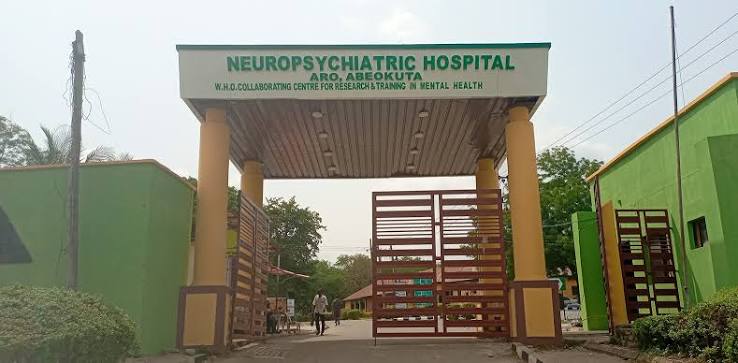
Equipment Shortages, Staff Deficits Undermine Patient Care at Aro Psychiatric Hospital
Shortages of essential medical equipment, drugs, water and electricity at the Federal Neuro-Psychiatric Hospital, Aro, have raised concerns over patient safety, following the death of a student nurse during an emergency.
 News
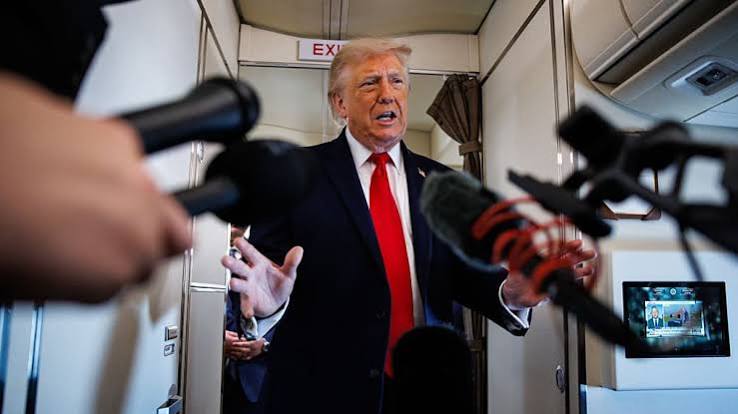
Trump Renews Threat of Strikes, Says US Has One or Two Targets Left in Iran
US President Donald Trump says Washington still has one or two Iranian sites to target, including a suspected underground nuclear facility, while diplomatic efforts to end the conflict continue.
 News
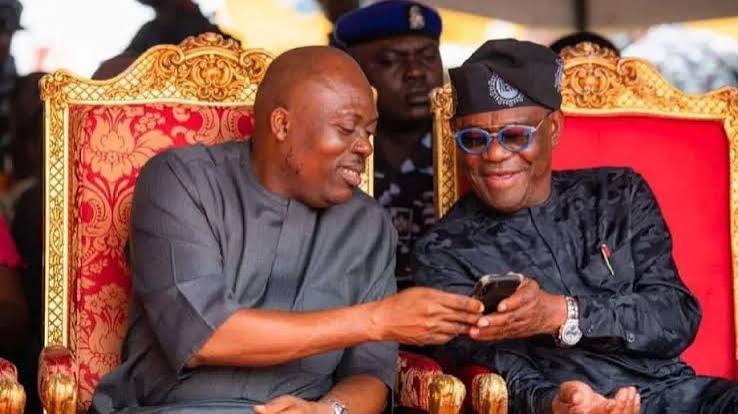
Fubara’s Political Future Uncertain After Recognising Wike as Rivers Leader
Rivers State Governor Siminalayi Fubara has asked his supporters to recognise FCT Minister Nyesom Wike as their political leader, raising questions about his influence and future political ambitions.
.jpg) News
Parties Differ Over INEC’s Readiness, Voter Register Ahead of 2027 Elections
Political parties have expressed contrasting views on INEC’s preparedness for the 2027 general elections, following the discovery of AI-generated photographs and other irregularities in the preliminary voters’ register.
Comments (0)
Leave a comment
All comments are moderated before publishing. Your email is never published.