
Netanyahu’s Bloc Loses Majority in Israel Election
Benjamin Netanyahu’s ruling alliance has secured 53 seats in Israel’s parliament, falling short of a majority as opposition and Arab-led parties gain political influence.
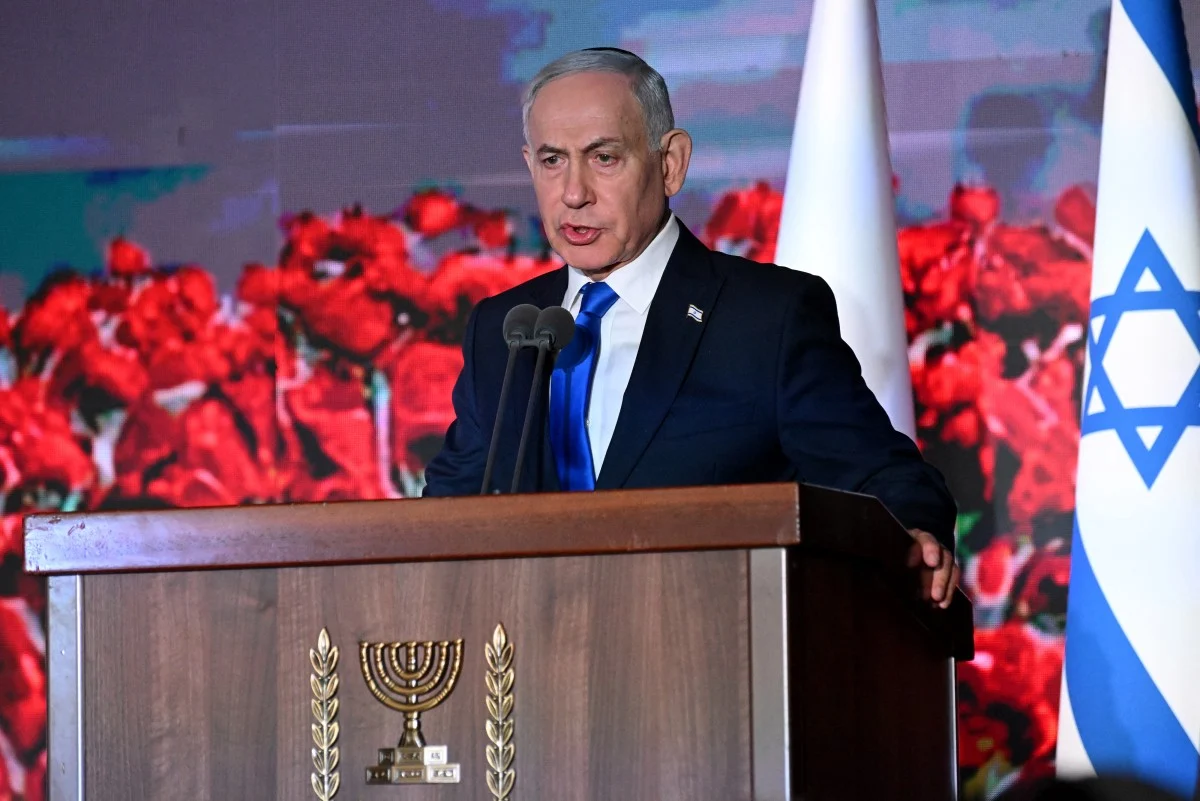
Israeli Prime Minister Benjamin Netanyahu’s political bloc has lost its parliamentary majority after Israel’s election results left his alliance with 53 seats in the 120-member Knesset, raising uncertainty over the formation of the country’s next government.
The final vote count, released early Friday, October 30, showed that the main opposition bloc, led by former military chief Gadi Eisenkot, secured 48 seats, while Arab-led parties won a combined 19 seats, marking their strongest electoral performance to date.
Under Israel’s parliamentary system, a government requires the support of at least 61 members of the Knesset to command a majority. Netanyahu’s alliance is therefore eight seats short of the threshold needed to govern independently.
The results represent a setback for Netanyahu’s Likud-led alliance, which held 68 seats in the outgoing parliament following the 2022 election. Although Likud emerged as the largest individual party with 27 seats, the broader ruling bloc failed to secure enough support to retain its previous majority.
The opposition now faces the challenge of assembling a coalition capable of replacing Netanyahu. However, negotiations could prove difficult because several opposition parties have ruled out forming a government that depends on Arab-led political groups.
The combined 19 seats won by the Joint List and Ra’am could prove decisive if opposition leaders agree to cooperate with them. Such an arrangement would provide a potential path to a 67-seat majority outside Netanyahu’s alliance, although political differences remain a significant obstacle.
Meanwhile, Netanyahu and members of his Likud party have alleged that Arab-led parties benefited from electoral interference. The claims have not been substantiated, and Israel’s Central Elections Committee has said allegations of systematic electoral violations were baseless.
Despite the outcome, Netanyahu remains prime minister while political parties negotiate possible alliances. Israel’s President Isaac Herzog is expected to begin consultations with party leaders after the results are formally certified and submitted to him.
The designated candidate will have an initial period of 28 days to form a government, with a possible 14-day extension. If coalition negotiations fail, Israel could face another election.
The results have placed the country at the beginning of a potentially prolonged political negotiation, with the next government depending on whether rival parties can overcome their differences and secure sufficient parliamentary support.
Sponsored

Related stories
 News
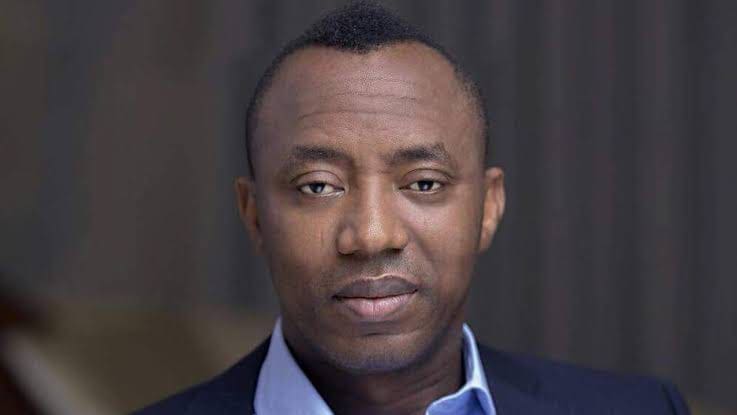
BREAKING: Armed Men Abduct Sowore in Ekiti, Vandalise Restaurant
AAC raises the alarm after armed men reportedly attacked Sowore and his campaign team at a restaurant in Ado-Ekiti, with his whereabouts unknown.
 News
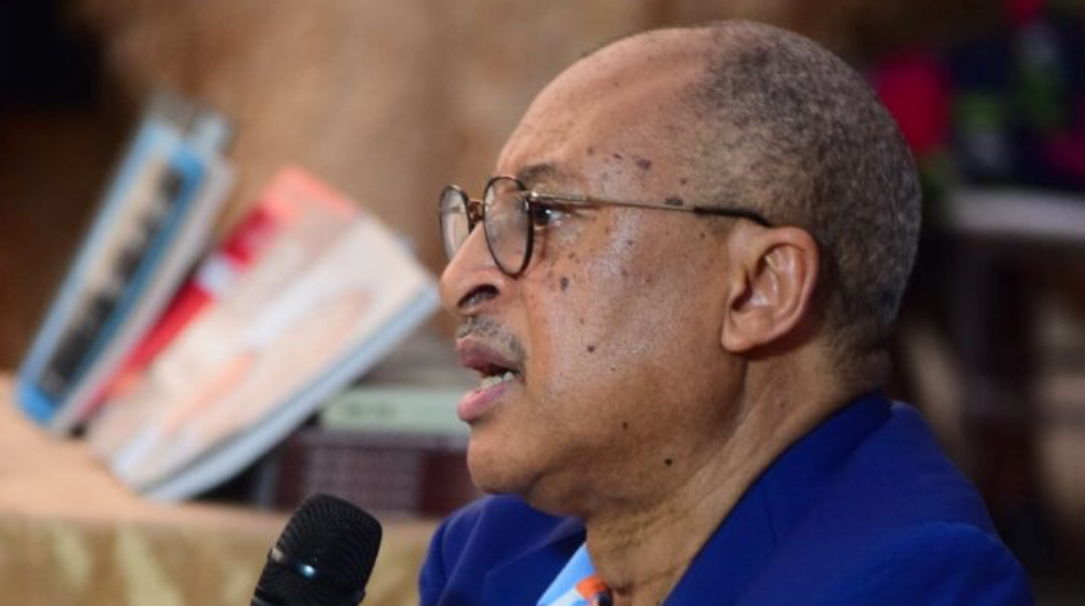
Obi Will Strengthen Exchange Rate to N500/$1 If Elected President — Utomi
Pat Utomi says Peter Obi’s proposed economic agenda targets a N500-to-dollar exchange rate and lower prices for essential goods.
 News
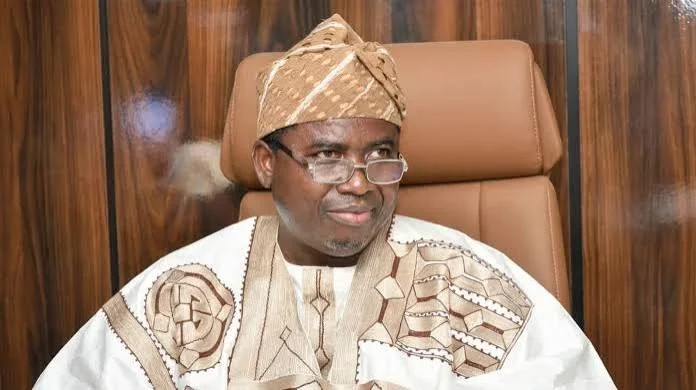
2027: ‘We’ve Moved Beyond Administration to Physical Readiness Assessment’ — INEC Tells ECOWAS
INEC Chairman Joash Amupitan says the Commission has completed readiness assessments in four geopolitical zones ahead of the 2027 general elections.
 News
State Police: Don’t Rush to Avoid Creating More Problems — Primate Ayodele Warns Tinubu
Primate Elijah Ayodele has cautioned President Tinubu against rushing the establishment of state police, warning that politicians could misuse the proposed security arrangement.
Comments (0)
Leave a comment
All comments are moderated before publishing. Your email is never published.