
NECO Questions Sold for N3,000: Minister Alausa Exposes 'Mind-Boggling' Exam Fraud Ecosystem
Education Minister Dr. Tunji Alausa has revealed a disturbing examination malpractice network where NECO questions were allegedly sold for as little as N3,000 before papers were written, as he warned that an "ecosystem" of parents, teachers, school owners and invigilators,not just students ,is responsible for undermining Nigeria's examination system.
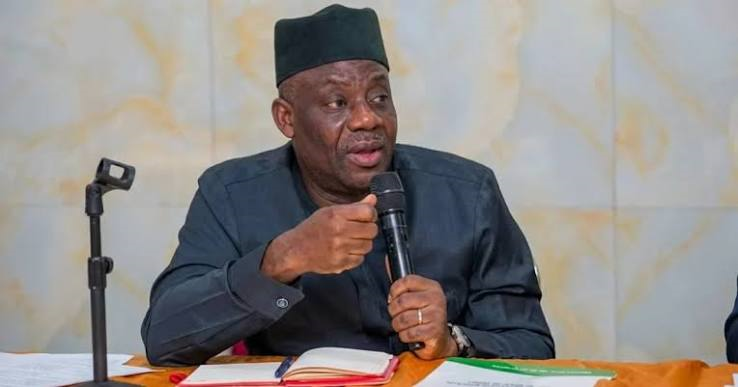
The Minister of Education, Dr. Tunji Alausa, has revealed a disturbing examination malpractice network where National Examinations Council (NECO) questions were allegedly sold for as little as N3,000 before candidates sat for their papers, describing the scale of cheating in Nigeria as "mind-boggling" and warning that an entire "ecosystem" of adults is responsible for undermining the integrity of public examinations.
Alausa made the disclosure on Thursday during a meeting with the National Association of Proprietors of Private Schools and other education stakeholders, where he warned against practices capable of undermining the integrity of public examinations. The minister said examination malpractice had been tolerated for years, creating a system where students who genuinely prepared for their examinations could be disadvantaged by candidates who accessed questions before the papers were written.
He said the situation posed an even greater danger because honest students could eventually be compelled to cheat in order to compete with those benefiting from examination leakages. "It's sad. Before she (Minister of State for Education) and I came, the acceptance of examination malpractice, cheating and examination leakages in this country was mind-boggling, and the country accepted it. It was a nightmare," Alausa said. He added that the most worrying consequence was that "the good students would also become bad".
Recounting his experience in efforts to tackle examination malpractice, Alausa alleged that examination questions had previously been obtained and sold before candidates sat for their papers. The minister recalled an incident involving the then NECO Registrar, Ibrahim Wushishi, saying some individuals used the name "Wushishi" as a reference to a dark website where examination questions could allegedly be purchased. "They bought his question for N3,000. That was it. Before the examination. They called him Wushishi and bought the questions for N3,000 before the examination," he said.
Alausa also recounted what he described as a troubling experience during the 2025 examination period, when he regularly received examination questions allegedly obtained before candidates sat for their papers. He said officials had to verify the authenticity of the questions with examination authorities, sometimes discovering that the materials being circulated were indeed the questions scheduled for that day. "During that examination period, during the hardest time of my life, I was always worried, waking up. I would wake up to her text. She would send questions to me… She would say, 'I just got this question,'" he said. According to the minister, the leaked materials covered subjects including English and Chemistry, prompting him to contact examination officials for verification. "I would send it to the HNO and ask, 'HNO, is this correct?' And the answer I got was, 'Unfortunately, that's the question we're doing today,'" he said.
Alausa said the experience demonstrated that examination malpractice could not be treated solely as a problem caused by students, arguing that the entire education ecosystem must take responsibility for preventing cheating. He identified parents, school proprietors, teachers, principals and invigilators among those whose actions could either strengthen or undermine examination integrity. "You might be in that isolated school, but the school system is also involved. In fact, I don't blame the students that much. Any child can be bad," the minister said. "But when we have an ecosystem where parents, schools, teachers, invigilators and principals are in full connivance, the students are the smallest players. The people who should put the deterrents in place are the ones involved".
He said the Federal Government would intensify measures to prevent examination question leakages and other forms of malpractice, stressing that academic qualifications must reflect genuine knowledge and ability. The minister linked the reforms to President Bola Tinubu's broader efforts to improve standards in Nigeria's education sector.
The revelations come amid escalating concerns over the integrity of Nigeria's public examination system, which has been plagued by widespread cheating for decades. The discovery that NECO questions were allegedly being sold for as little as N3,000—less than the cost of a registration fee—highlights the commercialisation of examination fraud and the ease with which candidates can gain unfair advantage. The reference to a dark website operating under the name of the former NECO Registrar suggests an organised network of criminals exploiting the examination system for profit.
The minister's admission that he personally received leaked examination questions during the 2025 period underscores the depth of the crisis, with fraudsters bold enough to transmit sensitive materials directly to the country's top education official. That the questions were confirmed as authentic by examination authorities indicates that existing security measures have been systematically breached, raising fundamental questions about the integrity of Nigeria's examination administration.
The government's intensified crackdown on examination malpractice signals a decisive shift in policy, moving beyond symbolic gestures to concrete action against the networks that facilitate cheating. As Nigeria seeks to restore confidence in its educational qualifications, the success of these reforms will depend on the willingness of all stakeholders—from parents and teachers to school owners and invigilators—to reject the culture of impunity that has allowed examination fraud to flourish for far too long.
Sponsored

Related stories
 Tech & Education
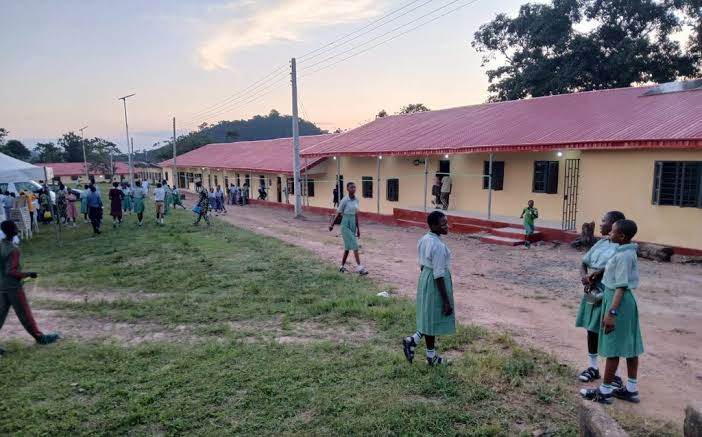
Bamidele Unveils N200m Renovated Science College
Senate Leader Opeyemi Bamidele has commissioned the renovated Government Science College, Iyin-Ekiti, personally funded at over N200 million, donating buses to the school and nearby FUTESI while promising a second phase of upgrades.
 Tech & Education
Abia Students Crowned Global Debate Champions
Students from public schools in Abia State, representing Nigeria, have emerged overall champions at the 2026 International Schools Debate Championship in Doha, Qatar, winning four major trophies and 12 laurels after defeating teams from Jordan, India, Qatar, the Philippines, Kenya and others. The historic victory has been hailed as proof that Governor Alex Otti's education reforms are producing world-class scholars.
 Tech & Education
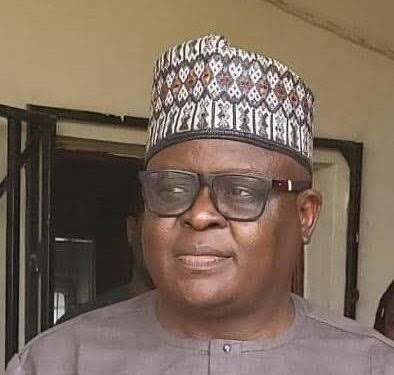
WAEC Appoints Suleiman Kum as New Head of Nigeria National Office
The West African Examinations Council has appointed 56-year-old Suleiman Danlami Kum as the new Head of the Nigeria National Office, succeeding Dr Amos Josiah Dangut, who has assumed office as the council’s Registrar and Chief Executive Officer. A seasoned test developer, administrator and executive with 28 years of service, Kum is expected to drive technological innovation and examination security across Nigeria’s foremost examinations body.
 Tech & Education
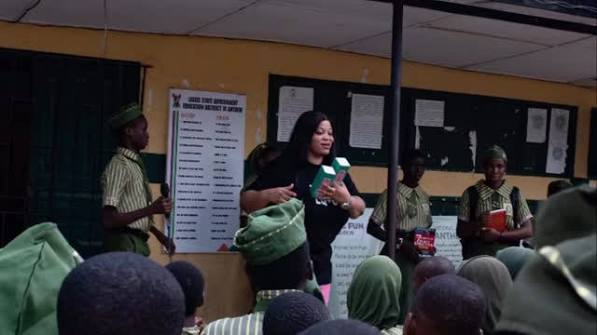
Emmanuel College ’88 Set Renovates Classrooms, Pays Exam Fees
The Progressives of the Unique 1988 Set of Emmanuel College Owerri have unveiled a renovated five-classroom block and paid NECO and WAEC fees for financially disadvantaged students at their alma mater.
Comments (0)
Leave a comment
All comments are moderated before publishing. Your email is never published.