
NEC Approves 90-Day Plan to Reduce Cost of Living
The National Economic Council has endorsed a 90-day economic action plan targeting lower food and transport costs, improved investment, job creation and faster delivery of projects that directly benefit Nigerians.
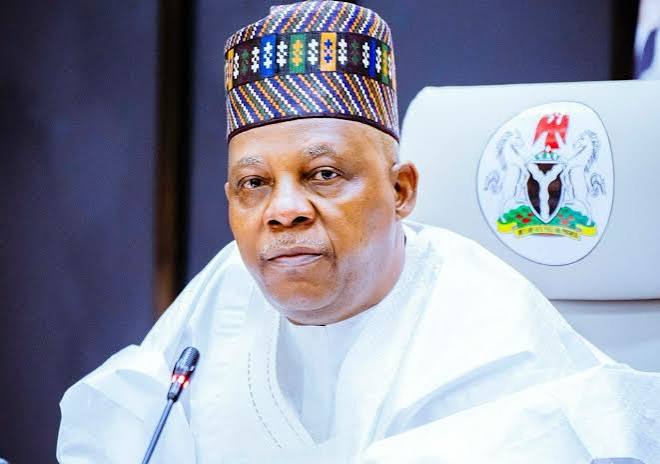
The National Economic Council (NEC) has approved a 90-day economic action plan aimed at easing the cost of living, improving food affordability, attracting investment and accelerating projects with direct benefits for Nigerians.
The decision was reached at the Council’s 161st meeting, held virtually on Thursday and chaired by Vice-President Kashim Shettima, following a presentation by the Minister of Finance and Coordinating Minister of the Economy, Taiwo Oyedele.
The plan focuses on five priority areas: making food more affordable, harmonising taxes, completing high-impact projects, removing barriers to investment and providing targeted support to households.
The Council also approved a national dashboard to monitor projects across the federation, with particular attention to transparency, accountability and the use of funds saved from the removal of the petrol subsidy.
Shettima urged state governors and relevant government institutions to ensure that the gains from the Federal Government’s economic reforms translate into tangible improvements in living standards. He identified affordable transportation, accessible healthcare, employment opportunities and greater financial security as key measures of economic progress.
On transportation, the Council approved a joint financing framework involving federal and state governments to accelerate the deployment of compressed natural gas (CNG)-powered and electric vehicles nationwide.
The decision followed a presentation by the Chairman of the Presidential Initiative on CNG and Electric Vehicles, Ismaeel Ahmed, on the National Affordable CNG Transit Programme.
The Council directed that the initiative should deliver measurable savings for commuters rather than simply increase the number of alternative-energy vehicles on the roads. It also called for consultations with transport unions and operators to ensure that lower operating costs translate into reduced fares.
A committee is expected to coordinate the proposed funding arrangement, engage relevant stakeholders and develop measures to make public transportation more affordable and accessible.
During his presentation, Oyedele expressed optimism about the economic reform programme, identifying further reductions in headline inflation and interest rates as policy objectives, with single-digit levels targeted by 2027.
He stressed that effective coordination between federal and state institutions would be necessary to convert macroeconomic improvements into measurable benefits for households and businesses.
The Council also received an update on the Ebola situation in the Federal Capital Territory from the Coordinating Minister of Health and Social Welfare, Prof. Muhammad Ali Pate. The minister outlined measures covering surveillance at entry points, laboratory testing, logistics, protective equipment and public communication.
Pate said 21 states had updated their preparedness and response plans, urging the remaining 15 states to strengthen their capacity to respond to potential outbreaks.
On polio eradication, NEC directed state governments to improve immunisation coverage, address communities missed during vaccination campaigns and ensure timely release of counterpart funding. It also called for stronger coordination with traditional rulers and security agencies, particularly in areas affected by insecurity.
The Council further considered livestock development, recognising the sector’s potential to create jobs, improve livelihoods and contribute to economic growth. It called for closer cooperation between federal and state governments to advance reforms and unlock investment opportunities.
The meeting underscored the need for coordinated implementation across all levels of government to ensure that economic policies translate into practical improvements for Nigerian households and businesses.
Sponsored
Related stories
 News
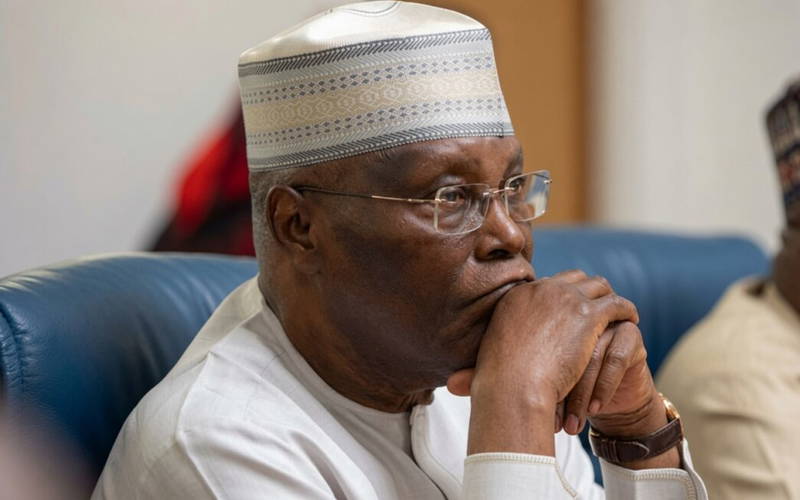
Blaming Opposition For Hunger Is ‘Delusion’ — Atiku Tells Tinubu
Atiku Abubakar has accused President Tinubu of evading responsibility for Nigeria’s economic hardship after blaming opposition politicians for hunger and poverty.
 News
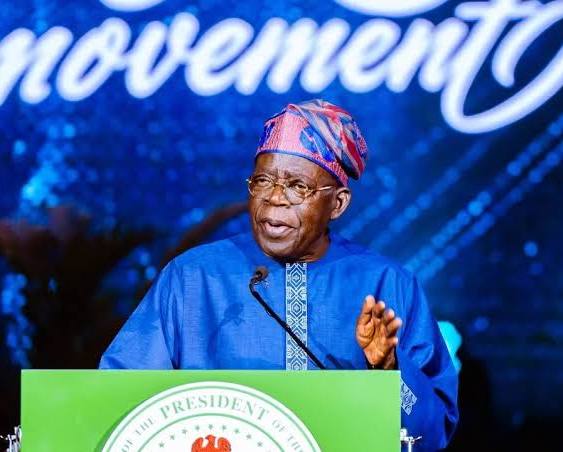
Tinubu Accuses Opposition of Creating Hunger, Poverty
President Bola Tinubu has accused opposition parties of creating the hunger and poverty they now criticise his administration over, insisting that his government is working to eradicate hardship and deliver economic prosperity.
 News
UNICEF, Sokoto Target One Million Children for Polio Vaccination
UNICEF and the Sokoto State Government are intensifying efforts to protect children against polio through vaccination, community mobilisation and public awareness, with emphasis on reaching every eligible child and addressing vaccine hesitancy.
 News
2027 Northern Nigerians Will Repay Tinubu with Votes, Says Sani, Yari
Kaduna State Governor Uba Sani and APC Presidential Campaign Council Director-General Abdul’aziz Yari have expressed confidence that Northern Nigerians will support President Bola Tinubu’s re-election bid in 2027, citing federal government interventions in infrastructure, security, education and agriculture.
Comments (0)
Leave a comment
All comments are moderated before publishing. Your email is never published.