
NAOWA and Ocean Wave Group Empower 100 Barracks Women and Youths in Edo
NAOWA’s 4 Brigade Chapter has partnered with the Ocean Wave Group to launch a two-month skills acquisition programme for 100 women and youths in Ekehuan Military Cantonment, Benin City, with training in vocational and digital trades aimed at self-reliance, entrepreneurship and income generation.
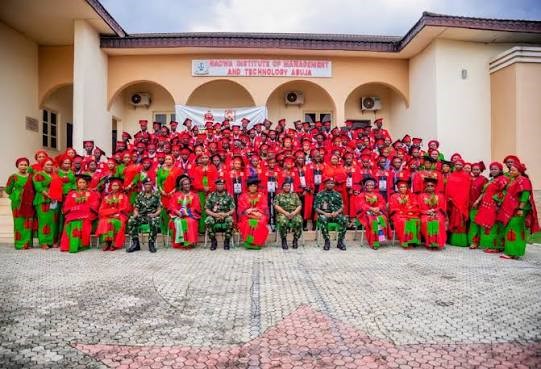
The Nigerian Army Officers’ Wives Association (NAOWA), 4 Brigade Chapter, has opened a two-month skills acquisition programme in Benin City, Edo State, to equip 100 barracks women and youths with practical vocational skills. The initiative, carried out in partnership with the Ocean Wave Group, is being framed as a direct response to unemployment and a way to help beneficiaries build sustainable livelihoods within and beyond the barracks community.
The training was inaugurated on Thursday, July 23, 2026, at the NAOWA Skills Acquisition Centre in Ekehuan Military Cantonment. According to the report, the programme is designed not just to teach trades, but to promote entrepreneurship, self-employment and long-term economic empowerment for families living in the cantonment.
Participants are being trained in seven vocational areas: Advanced Tailoring and Crafts, Catering, Hairdressing, Information and Communication Technology, Photography and Videography, Event Decoration and Cosmetology. The selection of these courses reflects a practical focus on skills that can be monetised quickly in local markets and that match current demand for small services and creative work.
The organisers said the theme of the programme, “Skills for Income,” captures its main objective: giving beneficiaries marketable skills that can translate into real earnings after the training ends. That emphasis is important because many empowerment schemes stop at certification, while the real challenge is ensuring that trainees can actually start businesses or find clients once the classes are over.
NAOWA’s role in the initiative fits into its broader welfare and empowerment work across military communities. The association has long been involved in training women and youths in skills that support household income, and the Edo programme continues that pattern by focusing on self-reliance rather than short-term charity. Its partnership with Ocean Wave Group adds private-sector support and helps make the programme feel more connected to market realities.
The report also suggests that the training is being treated as a community development intervention, not just a military welfare activity. Barracks communities often face limited access to formal employment, and women and youths in those areas can benefit from skills that allow them to earn money locally without waiting for scarce salaried jobs. That makes vocational training particularly valuable in settings where household income is often under pressure.
The choice of disciplines also shows a balance between traditional trades and digital-age services. Tailoring, catering and hairdressing can support everyday microbusinesses, while ICT, photography and videography can open doors to event work, content creation and small-scale digital services. Event decoration and cosmetology likewise target fast-growing service niches where small businesses can start with relatively modest capital.
By targeting 100 women and youths at once, the programme is also likely to create peer support and local networks among beneficiaries. That can matter after training ends, because skills are often easier to sustain when graduates can collaborate, share equipment, recommend one another to clients or form informal business groups.
The initiative is part of a wider trend in Nigeria where institutions are increasingly using vocational and digital training to address unemployment and economic vulnerability. For NAOWA, the message is clear: empowering women and youths in barracks communities is not only a welfare duty, but also a way to strengthen family stability and social resilience.
If the programme is followed by starter packs, mentoring and access to tools, it could produce more than just graduates with certificates. It could create a small ecosystem of new entrepreneurs in Benin City who are able to support their families, serve their communities and build income streams from the skills they have learned.
Sponsored

Related stories
 Youth Empowerment
TAFTA Trains 150 Female Creators to Build Sustainable Careers
, tools, and industry connections through its maiden Creator HQ programme, a three-day immersive training focused on content creation, intellectual property protection, and monetisation. Supported by the Mastercard Foundation, the initiative is designed to help women turn their creative talents into sustainable businesses and long-term careers.
 Youth Empowerment
Dangote Foundation Gives Students Free Shares
The Aliko Dangote Foundation has launched a Student Share Grant Initiative that will fund an additional 10 shares in the Dangote Petroleum Refinery IPO for eligible tertiary students who subscribe for a minimum of 10 shares in their own names. Chairman Aliko Dangote says the programme is about developing a mindset — equipping young Nigerians with the knowledge and opportunity to understand how economic value is created and how they can participate in it.
 Youth Empowerment
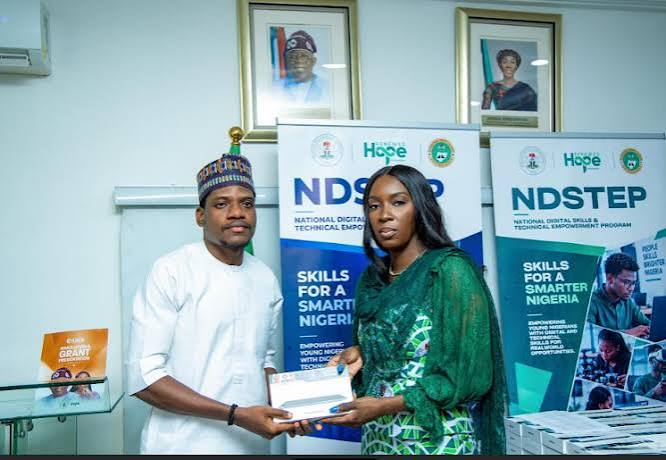
FG Empowers 70 Media Managers With Tablets
The Office of the Senior Special Assistant to the President on TVEE has given tablets to 70 digital media personnel to strengthen awareness of government vocational and entrepreneurship programmes ahead of the NPRGS Oyo State rollout.
 Youth Empowerment
MSS Academy Graduates 56 Youths in Event Technology
The Mobile Screen and Sound (MSS) Limited Technical Academy has graduated 56 students from its 10-week training programme in sound engineering, lighting design, and stage production, as part of efforts to equip young Nigerians with employable skills and reduce youth idleness. The academy has also promised automatic employment for the best five graduating students, underscoring its commitment to bridging the gap between training and industry placement.
Comments (0)
Leave a comment
All comments are moderated before publishing. Your email is never published.