
Marketers Reject FG’s Plan to Cap Petrol Prices at ₦1,350
The Major Energies Marketers Association of Nigeria has opposed the Federal Government’s proposed ₦1,350-per-litre ceiling on petrol supply costs, advocating market-driven pricing, improved distribution and measures to reduce operating expenses.
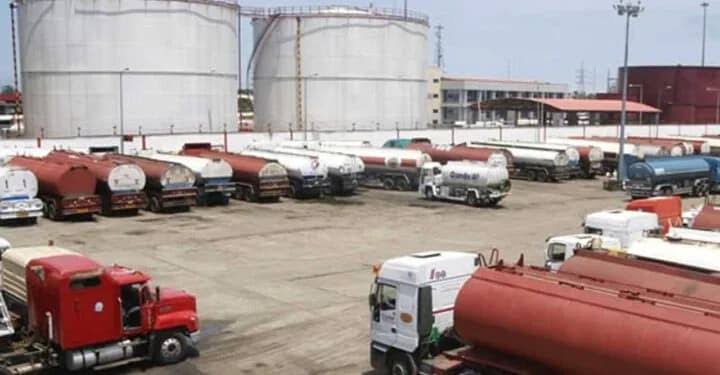
Petroleum marketers have rejected the Federal Government’s proposed ₦1,350-per-litre ceiling on petrol supply costs, arguing that market competition and improved distribution efficiency are better ways to address challenges in the downstream petroleum sector.
The Major Energies Marketers Association of Nigeria (MEMAN) stated its position during a third-quarter media engagement held virtually on Thursday in partnership with S&P Global Energy.
The association said government-imposed price caps would not resolve the underlying problems affecting the petroleum market, calling instead for transparent pricing mechanisms, efficient distribution and measures to address supply bottlenecks and reduce operating costs.
The position follows the Federal Government’s announcement that it was negotiating a ceiling of ₦1,350 per litre on petrol’s ex-gantry or landing cost to moderate price fluctuations.
The Minister of Finance and Coordinating Minister of the Economy, Mr Taiwo Oyedele, had explained that under the proposed arrangement, refiners and importers would initially absorb costs above the ceiling and recover the shortfall later when market conditions improved.
He said the mechanism, subject to monthly reviews, was intended to stabilise prices over time rather than restore the petrol subsidy removed in May 2023.
The government’s proposal came amid rising petrol prices linked to disruptions in international oil markets and increasing pressure on households and businesses.
As part of its response, the Federal Government also announced a 30-day petrol discount at Nigerian National Petroleum Company Limited filling stations, with priority for public transport operators.
MEMAN called for clearer bulk supply arrangements covering product availability, pricing, delivery schedules and contractual obligations. It also highlighted the need for better inventory monitoring, adequate storage capacity, improved transport coordination and contingency planning.
The association said a well-structured petroleum market should encourage competition, strengthen supply security and deliver better outcomes for consumers without relying on government-imposed price controls or broad-based fuel subsidies.
It commended the Nigerian Midstream and Downstream Petroleum Regulatory Authority for measures aimed at improving product quality, digitalising licensing, publishing market data and promoting fair competition.
The marketers also advocated non-discriminatory access to petroleum products, efficient regulatory processes, accurate measurement and compliance with quality standards to ensure consumers receive the quantities they pay for.
Discussions at the engagement covered developments in global and West African refined petroleum markets, including the need for credible regional pricing benchmarks.
S&P Global Energy highlighted the effects of geopolitical tensions, refinery disruptions and changing global supply patterns on prices, particularly for diesel and aviation fuel.
The presentations identified Free on Board West Africa and STS Lomé assessments as reference points for domestically supplied and imported refined products, respectively. Participants stressed that greater transparency, reliable market data and wider industry adoption would help establish a credible regional reference market.
MEMAN maintained that Nigeria should prioritise output from domestic refineries while allowing imports to bridge supply gaps and address disruptions.
The disagreement highlights the challenge facing policymakers as they seek to shield consumers from volatile fuel prices while maintaining a commercially viable supply chain under the deregulated downstream petroleum market.
Sponsored

Related stories
 News
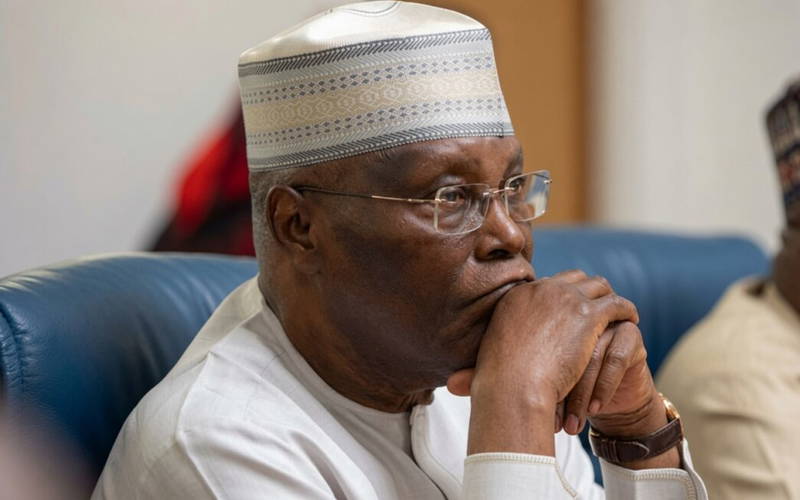
Blaming Opposition For Hunger Is ‘Delusion’ — Atiku Tells Tinubu
Atiku Abubakar has accused President Tinubu of evading responsibility for Nigeria’s economic hardship after blaming opposition politicians for hunger and poverty.
 News
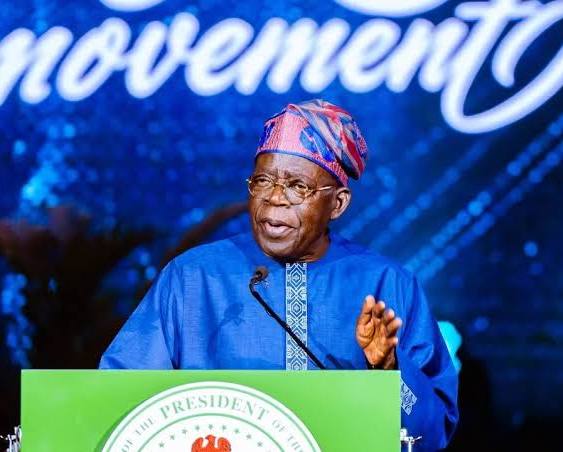
Tinubu Accuses Opposition of Creating Hunger, Poverty
President Bola Tinubu has accused opposition parties of creating the hunger and poverty they now criticise his administration over, insisting that his government is working to eradicate hardship and deliver economic prosperity.
 News
UNICEF, Sokoto Target One Million Children for Polio Vaccination
UNICEF and the Sokoto State Government are intensifying efforts to protect children against polio through vaccination, community mobilisation and public awareness, with emphasis on reaching every eligible child and addressing vaccine hesitancy.
 News
2027 Northern Nigerians Will Repay Tinubu with Votes, Says Sani, Yari
Kaduna State Governor Uba Sani and APC Presidential Campaign Council Director-General Abdul’aziz Yari have expressed confidence that Northern Nigerians will support President Bola Tinubu’s re-election bid in 2027, citing federal government interventions in infrastructure, security, education and agriculture.
Comments (0)
Leave a comment
All comments are moderated before publishing. Your email is never published.