
Lassa Fever Crisis Deepens: Nigeria Records 1,035 Cases, 252 Deaths as Young Adults Bear Brunt of Outbreak
In a stark reminder of the persistent threat posed by viral haemorrhagic fevers, the Nigeria Centre for Disease Control and Prevention has reported 1,035 confirmed Lassa fever cases and 252 deaths across 23 states in 2026. The latest situation report reveals that young adults aged 21 to 30 remain the most affected demographic, as health authorities raise alarm over a rising case fatality rate and the continued infection of healthcare workers.
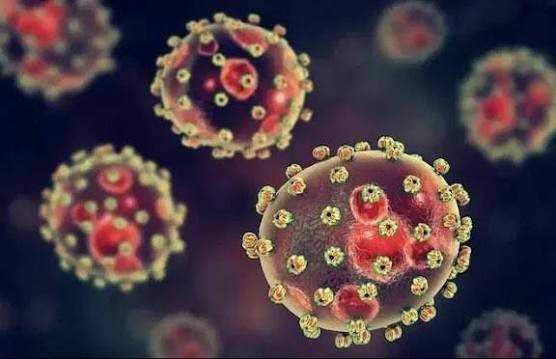
The Nigeria Centre for Disease Control and Prevention (NCDC) has reported 1,035 confirmed Lassa fever cases and 252 deaths across the country in 2026, with young adults aged 21 to 30 emerging as the most affected demographic in the ongoing outbreak.
The latest situation report for epidemiological week 33, covering 10 to 16 August, revealed that confirmed cases were recorded in 23 states and 117 local government areas, underscoring the widespread nature of the viral haemorrhagic fever across the nation. The report, released on Tuesday, showed that cases were recorded among people aged between one and 93 years, with a median age of 30 years. The age and sex distribution indicated that individuals aged 21 to 30 accounted for the largest share of confirmed cases among both males and females, while the male-to-female ratio stood at 1:0.9 among confirmed cases.
The week 33 report showed a sharp increase in new confirmed cases, rising from four in week 32 (3 to 9 August) to 14. The new confirmed cases were recorded in Ondo, Edo, Bauchi and Benue states, with two deaths recorded during the week, compared with one death in the previous week. The week 32 report had recorded 140 suspected cases and four confirmed cases, with one death. Cumulatively for 2026, Nigeria has recorded 7,426 suspected cases, 1,035 confirmed cases and 252 deaths. The case fatality rate (CFR) also increased from 23.5 per cent in week 32 to 24.4 per cent in week 33, indicating that nearly one in four confirmed cases result in death.
Five states — Ondo, Bauchi, Taraba, Edo and Benue — accounted for 87 per cent of all confirmed cases as of week 33, while the remaining 18 affected states accounted for 13 per cent. Ondo recorded the highest share, accounting for 33 per cent of confirmed cases, followed by Bauchi with 25 per cent, Taraba with 13 per cent, Edo with 10 per cent and Benue with six per cent. The number of affected local government areas remained at 117 between weeks 32 and 33.
Of grave concern to health authorities is the continued infection of healthcare workers, with 54 infections recorded as of week 33. The report also noted that 783 cases had been managed at treatment centres in 2026. The NCDC identified late presentation of cases as one of the factors contributing to the high case fatality rate. Additionally, the agency listed poor health-seeking behaviour linked to the high cost of treatment and clinical management, poor environmental sanitation in high-burden communities, poor awareness and healthcare worker infections among the challenges affecting the response.
Lassa fever, an acute viral haemorrhagic illness transmitted to humans through contact with food or household items contaminated with rodent urine or faeces, remains endemic in Nigeria. The disease is particularly prevalent during the dry season, though cases occur throughout the year. The current outbreak has demonstrated the persistent challenges facing the country's public health system in containing the disease, including weak surveillance systems, delayed diagnosis and inadequate infection prevention and control measures in healthcare facilities.
The high case fatality rate of 24.4 per cent is particularly alarming, significantly exceeding the global average for the disease. Health experts attribute this to a combination of factors, including the lack of specific antiviral drugs for Lassa fever, the difficulty in early diagnosis due to non-specific symptoms that mimic other febrile illnesses, and the limited availability of treatment centres in affected communities. The NCDC has consistently emphasised the importance of early presentation to health facilities, as prompt administration of ribavirin, the antiviral drug used to treat the disease, significantly improves survival outcomes.
The disproportionate impact on young adults aged 21 to 30 raises concerns about the socioeconomic consequences of the outbreak. This demographic represents the productive workforce of the nation, and the loss of lives in this age group has far-reaching implications for families, communities and the broader economy. The relatively equal distribution between males and females also indicates that the disease does not discriminate by gender, affecting both men and women in nearly equal measure.
The concentration of cases in five states — Ondo, Bauchi, Taraba, Edo and Benue — highlights the need for targeted interventions in these high-burden areas. These states have historically been endemic for Lassa fever, and efforts to control the disease must focus on strengthening surveillance, improving environmental sanitation, raising community awareness and ensuring that healthcare facilities are equipped to manage cases safely and effectively. The continued infection of healthcare workers underscores the urgent need for improved infection prevention and control practices, including the provision of personal protective equipment and training on safe clinical management of suspected cases.
As Nigeria continues to grapple with this outbreak, the NCDC and state health authorities are calling on communities to adopt preventive measures, including proper storage of foodstuffs in rodent-proof containers, maintaining clean environments, and seeking medical attention promptly at the first sign of symptoms. The agency is also urging healthcare workers to maintain a high index of suspicion for Lassa fever and to adhere strictly to infection prevention and control protocols. With 252 lives already lost and the case fatality rate on the rise, the Lassa fever outbreak of 2026 represents a public health emergency that demands urgent and sustained action from all stakeholders.
Sponsored

Related stories
 Health
Diri Orders Free Quarterly Health Checks for All Bayelsa Residents at Secondary Facilities
Governor Douye Diri has directed Bayelsa's Ministry of Health to begin free quarterly medical check-ups across all eight local government areas, aimed at helping residents who cannot afford routine screening and promoting early detection of diseases.
 Health
‘Priceless Gift of Sight’ Reaches 400,000 Beneficiaries
FCMB and the Tulsi Chanrai Foundation say their 15-year eye care partnership has reached over 400,000 Nigerians, as a World Sight Day roundtable in Abuja pushes for private-sector funding to sustain and expand care.
 Health
FUNAAB Launches Africa’s First AI Disease Surveillance System
Researchers at the Federal University of Agriculture, Abeokuta, have developed IDS-Master, a groundbreaking AI-powered surveillance system that detects infectious disease outbreaks in real time by analysing reports from community leaders, health agents, and ordinary residents. Described as Africa's first fully AI-driven event-based surveillance platform, the innovation promises to bridge critical gaps in outbreak detection across underserved rural communities where delays in reporting can cost l
 Health
NAFDAC Seeks Global Partners for Local Vaccine Production
The Director-General of the National Agency for Food and Drug Administration and Control (NAFDAC), Prof. Mojisola Adeyeye, has called on international partners to support the establishment of vaccine manufacturing facilities in Nigeria, saying local production is the missing link in the agency’s push to attain World Health Organisation Maturity Level 4 for vaccine lot release. She spoke at the 8th Nigeria Pharma Manufacturers’ Expo in Lagos, where she commended President Bola Tinubu’s Executive
Comments (0)
Leave a comment
All comments are moderated before publishing. Your email is never published.