
Lalude: ‘I Have No Mysterious Powers’
Veteran Nollywood actor Lalude (Fatai Adekunle Odua) firmly dismisses rumors of possessing mystical powers, urging fans to separate his intense on-screen roles from reality
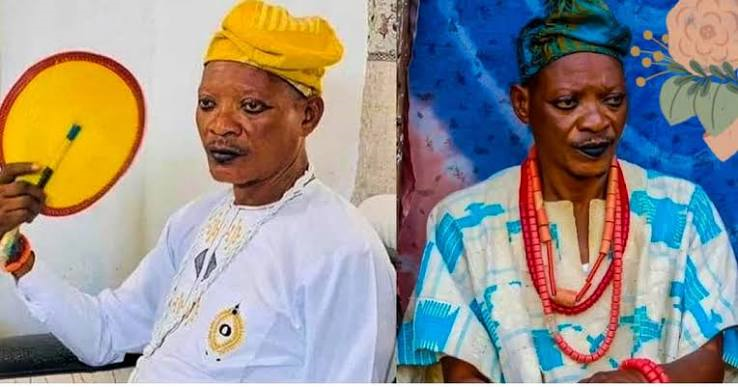
In an industry where the lines between reel life and real life are frequently blurred by convincing performances, veteran Nollywood actor Fatai Adekunle Odua, popularly known as Lalude, has firmly dismissed lingering public perceptions that he possesses mystical or supernatural abilities. Addressing the unfounded fears of some audience members, the seasoned thespian emphasized that his intimidating on-screen personas are purely a product of his craft, stating unequivocally that "everything ends on set."
Lalude, who has built a formidable career portraying intense, authoritative, and sometimes supernatural characters in Nigerian cinema, recently addressed the phenomenon of audience members conflating his fictional roles with his real-life identity. When confronted with the notion that some viewers have developed a sense of fear or reverence toward him due to a perceived possession of spiritual powers, the actor was quick to redirect the narrative.
"I don’t possess any power; it is God who possesses all power," Lalude stated in a recent interview. "I am simply acting based on the roles given to me."
His clarification highlights a recurring challenge within the Nigerian entertainment industry, particularly within Nollywood. For decades, the industry has thrived on rich, culturally resonant storytelling that frequently incorporates themes of traditional mythology, supernatural elements, and intense dramatic conflicts. While these narratives have propelled Nollywood to global acclaim, they have also inadvertently led to the typecasting of certain actors. When a performer delivers a highly convincing portrayal of a mystic, a traditional chief, or a formidable antagonist, a segment of the audience—particularly those with limited exposure to the mechanics of filmmaking—may struggle to separate the actor from the character.
Lalude explained that the essence of acting lies in the ability to bring a character to life with absolute conviction. "If you want people to appreciate the reality of your performance, you have to do it well," he noted. This dedication to authenticity, while a hallmark of exceptional acting, is precisely what sometimes triggers unwarranted apprehension among viewers. He cautioned those who harbor such beliefs, advising them to be mindful of their assumptions. "Those who say I have spiritual powers because of how I am portrayed in movies should be careful what they wish for," he added, underscoring the absurdity of the rumors.
The actor’s experience is not an isolated incident. Several prominent figures in Nollywood have historically faced similar stigmas. Actors known for playing villainous or spiritually inclined roles have occasionally reported being avoided in public spaces, subjected to strange rumors, or even denied basic services by individuals who genuinely believe the fictional traits of their characters translate to real-world abilities. This phenomenon underscores a broader need for media literacy and a deeper public understanding of the performing arts as a disciplined profession rather than a reflection of personal reality.
For Lalude, the boundary between his professional and personal life is strictly maintained. He views his roles as temporary assignments that require focus and skill during production hours, but which hold no bearing on his identity once the director calls "cut." The intricate costumes, specialized dialogue, and dramatic lighting that create a powerful on-screen presence are left behind in the studio, leaving behind an ordinary citizen dedicated to his family, faith, and craft.
As Nollywood continues to evolve, producing increasingly sophisticated content that rivals global cinematic standards, the performances will only become more immersive. Lalude’s candid intervention serves as a timely reminder to the public to celebrate the artistry of filmmaking without projecting fictional narratives onto the artists themselves.
By demystifying his public image, Lalude not only protects his personal peace but also advocates for a more informed appreciation of the acting profession. His message is clear: the magic happens strictly within the frame of the camera, and the man behind the character is simply a dedicated professional doing his job, leaving the true power where he believes it belongs.
Sponsored

Related stories
 Entertainment
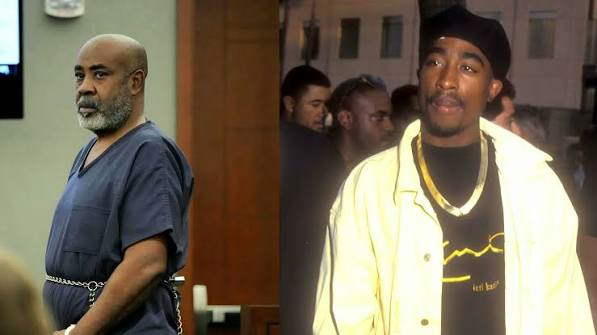
Keffe D Sentenced to 40 Years to Life for Tupac Shakur’s Murder
Duane “Keffe D” Davis, the former gang leader convicted of orchestrating Tupac Shakur’s 1996 murder, has been sentenced to 40 years to life in a Las Vegas courtroom. Davis, who insisted he would appeal, was told by the judge: “It took us 30 years, but at this time, you are going to face justice for what you did.”
 Entertainment
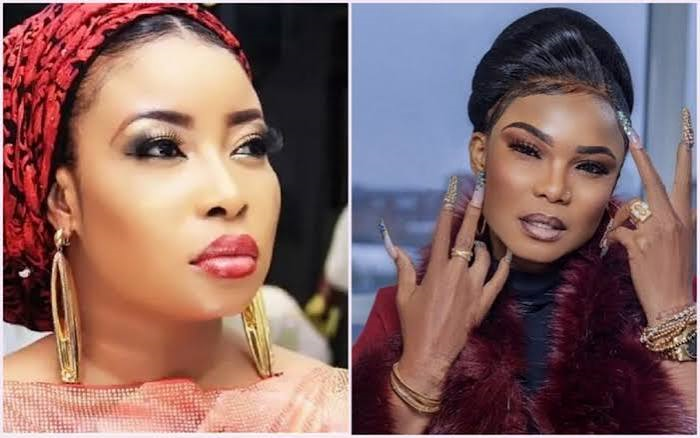
Lizzy Anjorin Threatens Iyabo Ojo, Bloggers With N50m Lawsuits
Nollywood actress Chief Lizzy Anjorin-Lawal has issued cease-and-desist notices to more than 100 bloggers, YouTubers and social media personalities, including actress Iyabo Ojo and her daughter Priscilla, threatening N50 million damages claims per person.
 Entertainment
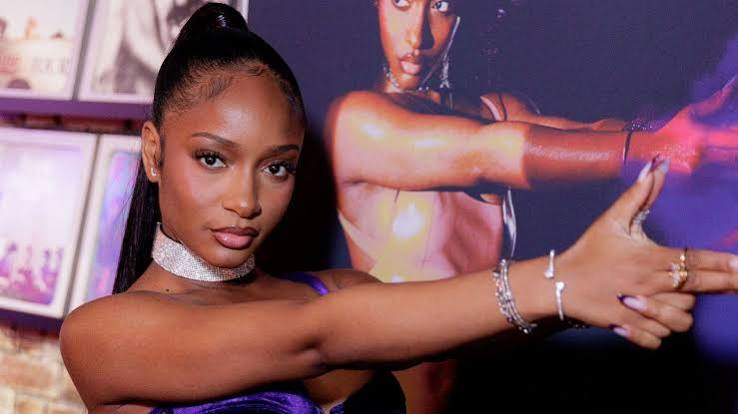
Ayra Starr Makes History at NFL London Halftime Show
Nigerian singer Ayra Starr performed live at the NFL's London game between the Eagles and Jaguars before a record crowd of 61,322, calling the moment "history-making" for African music and culture.
 Entertainment
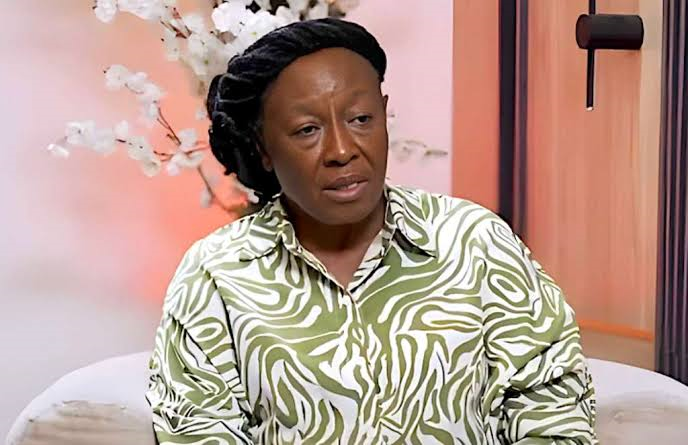
Patience Ozokwor Breaks Silence on Missing Olu Jacobs' Funeral
Veteran Nollywood actress Patience Ozokwor has revealed why she was absent from the burial of legendary actor Olu Jacobs, explaining that contractual obligations in Ghana kept her away. In an emotional Instagram tribute, "Mama G" said she would have "given anything" to be there, as tributes poured in from Chiwetalu Agu, Pete Edochie, Rita Dominic, and Peter Obi for the late icon.
Comments (0)
Leave a comment
All comments are moderated before publishing. Your email is never published.