
Lagos Public Hospitals Overwhelmed as Patient Numbers Double, Brain Drain Bites Hard
Lagos State's public hospitals are groaning under an unprecedented patient surge, with outpatient attendance doubling in just six months as rising healthcare costs push residents away from private facilities. Health Commissioner Prof. Akin Abayomi reveals that doctors are now seeing thousands of patients daily, working under crushing strain amid a crippling brain drain, as the state prepares to enforce compulsory health insurance to stem the crisis.
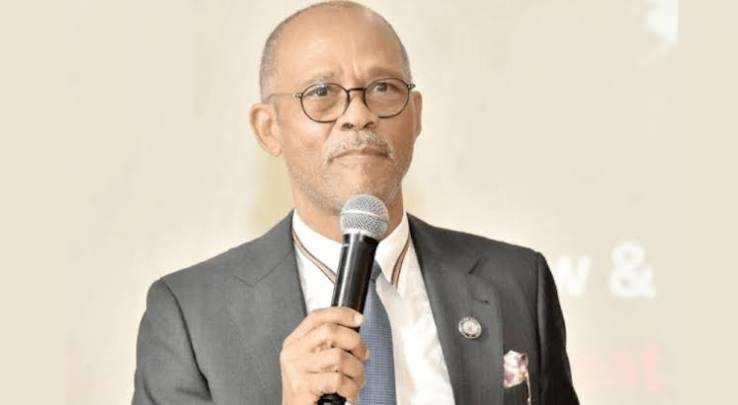
Lagos State's public hospitals are facing an unprecedented crisis, with outpatient attendance doubling in the last six months as thousands of residents abandon private healthcare for government facilities, the state's Health Commissioner, Prof. Akin Abayomi, has revealed. Speaking in an interview with ARISE NEWS on Friday, Abayomi painted a stark picture of a healthcare system buckling under the weight of rising demand and a crippling shortage of medical professionals. "In the last six months, our outpatient patronage has doubled in our public health facilities—Lasuthi, Ikorodu, Lagos Island," he said. "I've seen thousands of patients a day. Now, you can't imagine that kind of patronage in a private hospital".
The surge is being driven primarily by the escalating cost of healthcare, which has made private hospitals increasingly unaffordable for ordinary Lagos residents. "While the cost of care is going up, the ability to buy that care is relatively stagnant," Abayomi explained. The commissioner described a cascading crisis in which patients are shifting not only from private to public facilities but also into the informal sector, where they seek treatment from pharmacists or roadside hawkers. "The public are shifting from the private sector to the public sector and from the public sector to the informal sector, where they can walk into a pharmacist or stop the hawker on the road and tell them, 'I have a headache or I have a fever,' and they get access to medication without going through the orthodox system".
The implications of this shift are profound. Lagos, Nigeria's commercial capital, is home to an estimated 20 million people, yet it has only about 7,000 doctors—a ratio that Governor Babajide Sanwo-Olu recently described as one doctor doing the work of ten. Sanwo-Olu disclosed that the state needs an additional 40,000 doctors and 40,000 nurses to adequately serve its population, revealing a funding gap of at least ₦100 billion above current budgetary allocations. The governor's admission, made at the second Eko Health Convention in August, underscores the magnitude of the challenge facing Africa's largest city.
At the heart of the crisis is the relentless brain drain that has seen Nigeria's best-trained medical professionals emigrate in search of better pay and working conditions abroad. The exodus has left those who remain to shoulder an impossible burden. "Our doctors and our healthcare professionals are under a lot of stress," Abayomi said. "You can imagine with the brain drain, with this influx of patients. You know, if you work from 8 till 12... in the medical facility, can you imagine if they asked you to work from 6 in the morning to tomorrow 6 in the morning? It would be crazy". The commissioner's words capture the reality facing Lagos hospitals, where exhausted doctors and nurses are stretched to breaking point, with many working double or triple shifts to cope with the relentless tide of patients.
In response to the deepening crisis, the Lagos State Government is preparing to enforce compulsory health insurance as a means of improving healthcare financing and reducing the burden on government-funded facilities. Abayomi said the state had domesticated the National Health Insurance Authority Act through an executive order in July 2024, making health insurance mandatory for all residents. "Now we're moving into enforcement. So very soon, it's just like if you have a car. You need three things. You need a licence, you need an MOT, and you need insurance. If you don't have it, somewhere along the line, someone will enforce it," he stated. The government is restructuring the state's health insurance system, increasing public awareness, and working to incorporate private insurance into a unified framework that guarantees a basic minimum package for every resident.
The Lagos State Health Management Agency's Assistance in Distress initiative has already saved 18 lives since its launch in March, with beneficiaries including victims of road traffic injuries, surgical emergencies, obstetric crises, and strokes. More than 1.5 million residents have enrolled in the Ilera Eko health insurance scheme as of May, with women accounting for over half of the enrollees. Yet these figures, while encouraging, represent only a fraction of the population that needs coverage. As Lagos prepares to enforce compulsory insurance, the coming months will test whether the state can build a healthcare system capable of meeting the needs of its people—and whether the doctors and nurses it desperately needs will be there to provide the care they deserve.
Sponsored
Related stories
 Health
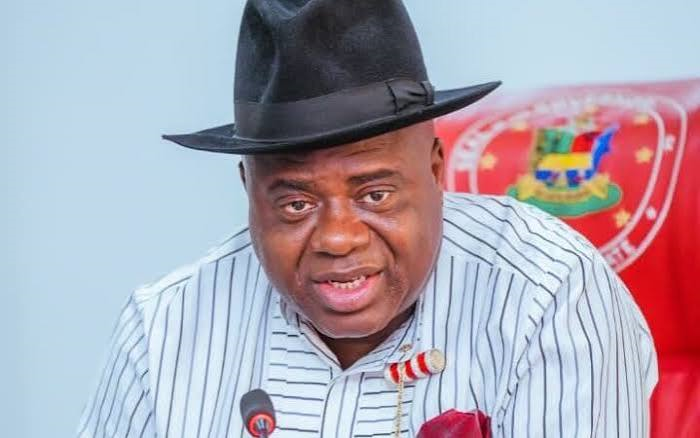
Diri Orders Free Quarterly Health Checks for All Bayelsa Residents at Secondary Facilities
Governor Douye Diri has directed Bayelsa's Ministry of Health to begin free quarterly medical check-ups across all eight local government areas, aimed at helping residents who cannot afford routine screening and promoting early detection of diseases.
 Health
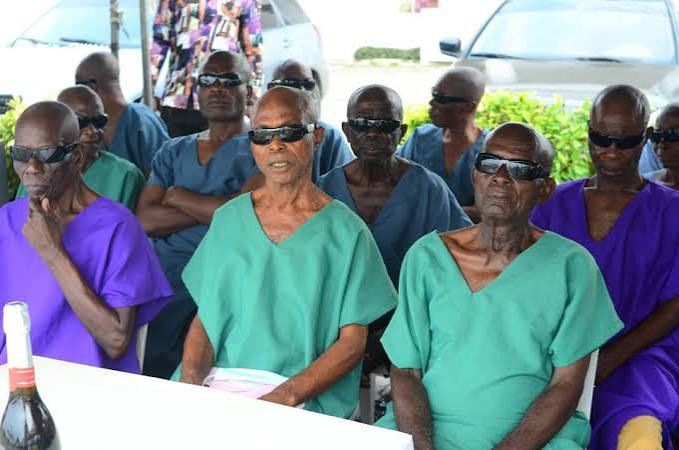
‘Priceless Gift of Sight’ Reaches 400,000 Beneficiaries
FCMB and the Tulsi Chanrai Foundation say their 15-year eye care partnership has reached over 400,000 Nigerians, as a World Sight Day roundtable in Abuja pushes for private-sector funding to sustain and expand care.
 Health
FUNAAB Launches Africa’s First AI Disease Surveillance System
Researchers at the Federal University of Agriculture, Abeokuta, have developed IDS-Master, a groundbreaking AI-powered surveillance system that detects infectious disease outbreaks in real time by analysing reports from community leaders, health agents, and ordinary residents. Described as Africa's first fully AI-driven event-based surveillance platform, the innovation promises to bridge critical gaps in outbreak detection across underserved rural communities where delays in reporting can cost l
 Health
NAFDAC Seeks Global Partners for Local Vaccine Production
The Director-General of the National Agency for Food and Drug Administration and Control (NAFDAC), Prof. Mojisola Adeyeye, has called on international partners to support the establishment of vaccine manufacturing facilities in Nigeria, saying local production is the missing link in the agency’s push to attain World Health Organisation Maturity Level 4 for vaccine lot release. She spoke at the 8th Nigeria Pharma Manufacturers’ Expo in Lagos, where she commended President Bola Tinubu’s Executive
Comments (0)
Leave a comment
All comments are moderated before publishing. Your email is never published.