
Kidnapping Crisis Deepens Nigeria's Doctor Shortage as 91 Health Workers Abducted in Two Years
Nigeria's worsening insecurity is directly threatening healthcare access, with 91 health workers kidnapped and 15 killed since 2023, compounding a doctor-to-patient ratio already far below WHO standards.
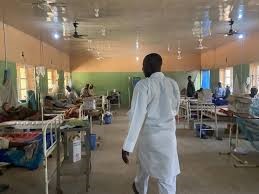
Nigeria's escalating insecurity is increasingly undermining access to healthcare, as the abduction of doctors, nurses, and other medical personnel compounds an already fragile health workforce crisis across the country.
Nigeria currently operates with roughly one doctor for every 4,000 to 5,000 citizens, a ratio far below the World Health Organisation's recommended standard of one doctor per 600 people. That already precarious baseline is now being further strained by a wave of kidnappings targeting healthcare workers, with each abduction instantly cutting off thousands of patients from access to care and accelerating the collapse of a system already reeling from mass emigration and chronic underfunding.
According to data from the Safeguarding Health in Conflict Coalition, 91 health workers were kidnapped and 15 killed across 101 separate incidents between 2023 and 2025 alone. Bandits and organised criminal networks have increasingly come to view medical personnel as high-value, vulnerable targets who can be seized for ransom. The issue gained renewed national prominence following the May 2026 midnight abduction of community health worker "Dr Ebi" (Omo Kemuna) and his wife in Kogi State, alongside a separate mass kidnapping incident involving more than 20 medical doctors and a house officer.
Medical practitioner Roland Igbakpa warned that doctors are increasingly being viewed as soft targets, adding that patience within the medical community is wearing thin as colleagues remain in captivity for extended periods. "Injury to one is injury to all. Doctors should not be targets of kidnapping," he said.
Sanusi Rufai, a health worker at the El-Shadai Diagnostic Centre in Abuja, said the situation had grown untenable, urging government to take urgent steps to protect healthcare workers, who often travel at odd hours to attend to emergencies. He noted that every health worker removed from the system places additional pressure on those who remain, particularly in facilities already operating with inadequate staffing.
Akeem Akintayo, a former Head of Clinical Services at the Federal Medical Centre, Mararaba, in Nasarawa State, said government must intensify efforts to secure the release of abducted health workers and prevent further incidents. He stressed that the immediate priority should be ensuring abducted medical personnel return safely to their families and workplaces, while the broader objective must be tackling insecurity in a way that allows doctors and other health workers to focus on their primary responsibility of saving lives.
The campaign of violence is compounding Nigeria's doctor shortage in two distinct ways. In the immediate term, the loss of an abducted practitioner leaves remaining staff overwhelmed, forcing facilities to scale back emergency services or shut down entirely. Over the longer term, it acts as a significant driver of Nigeria's ongoing brain drain, pushing both seasoned clinicians and new graduates to seek safer working environments abroad.
Evelyn Nomayo, another healthcare worker, said violence is no longer confined to highways, with staff increasingly harassed, assaulted, and abducted directly from hospital premises. "People cannot access care when they need it, and it's not very good," she said, adding that continued insecurity would take a toll on Nigeria's overall health indicators as more professionals leave for safer environments. "Even in the hospitals, some health workers have been attacked, killed, beaten up. Such ugly trends should be contained," she said, calling on security agencies to improve protection for healthcare workers and create a safer environment for medical practice.
Nigerians interviewed on the issue called for a comprehensive overhaul of the country's security architecture, arguing that the spread of kidnapping across regions has created a pervasive sense of fear. Abuja resident Chijioke Ezenwa described the situation as a national disaster, arguing that the true scale of insecurity could be far greater than officially reported incidents suggest. He called for improved policing around hospitals and medical facilities, along with better protection for health workers travelling to and from work, noting that the growing abduction of healthcare workers carries implications extending well beyond the direct victims and their families, with colleagues facing additional workloads and hospitals struggling to maintain services.
Ezenwa added that the impact is potentially more severe in rural and underserved communities, where the number of available health professionals is already limited. Fellow Abuja-based civil servant Adamu Sadiq echoed similar concerns, warning that the situation could discourage professionals from accepting postings in insecure areas, further widening the gap in healthcare availability between urban centres and rural communities. He said abductions of healthcare workers could leave patients facing delayed treatment, missed appointments, and reduced access to essential medical services, insisting that protecting medical personnel must become a central component of Nigeria's broader security and healthcare strategies.
The worsening security situation, healthcare-sector stakeholders say, is adding yet another incentive for medical professionals already weighing whether to remain in the country, further complicating Nigeria's efforts to retain scarce medical talent even as demand for healthcare services continues to grow nationwide.
Sponsored

Related stories
 Health
Diri Orders Free Quarterly Health Checks for All Bayelsa Residents at Secondary Facilities
Governor Douye Diri has directed Bayelsa's Ministry of Health to begin free quarterly medical check-ups across all eight local government areas, aimed at helping residents who cannot afford routine screening and promoting early detection of diseases.
 Health
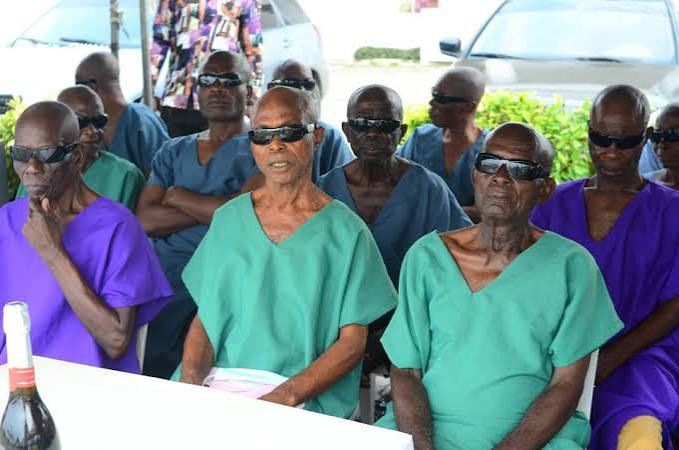
‘Priceless Gift of Sight’ Reaches 400,000 Beneficiaries
FCMB and the Tulsi Chanrai Foundation say their 15-year eye care partnership has reached over 400,000 Nigerians, as a World Sight Day roundtable in Abuja pushes for private-sector funding to sustain and expand care.
 Health
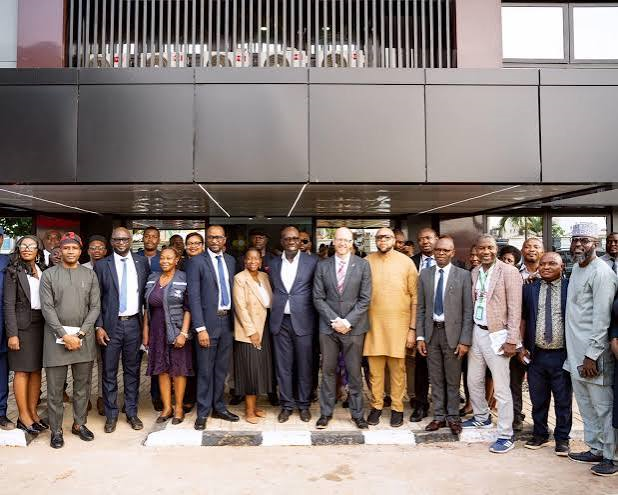
FUNAAB Launches Africa’s First AI Disease Surveillance System
Researchers at the Federal University of Agriculture, Abeokuta, have developed IDS-Master, a groundbreaking AI-powered surveillance system that detects infectious disease outbreaks in real time by analysing reports from community leaders, health agents, and ordinary residents. Described as Africa's first fully AI-driven event-based surveillance platform, the innovation promises to bridge critical gaps in outbreak detection across underserved rural communities where delays in reporting can cost l
 Health
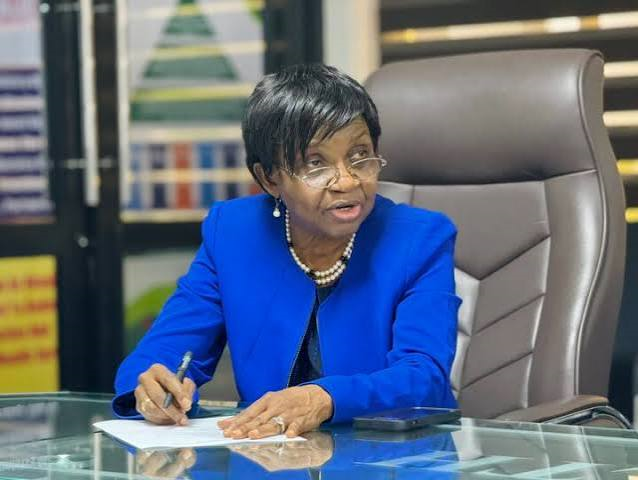
NAFDAC Seeks Global Partners for Local Vaccine Production
The Director-General of the National Agency for Food and Drug Administration and Control (NAFDAC), Prof. Mojisola Adeyeye, has called on international partners to support the establishment of vaccine manufacturing facilities in Nigeria, saying local production is the missing link in the agency’s push to attain World Health Organisation Maturity Level 4 for vaccine lot release. She spoke at the 8th Nigeria Pharma Manufacturers’ Expo in Lagos, where she commended President Bola Tinubu’s Executive
Comments (0)
Leave a comment
All comments are moderated before publishing. Your email is never published.