
Kenya Confirms First Ebola Death as Outbreak Spreads
Kenya has confirmed its first Ebola case and death after a citizen who had travelled from the Democratic Republic of Congo died in Nairobi, with authorities tracing people who may have been exposed.
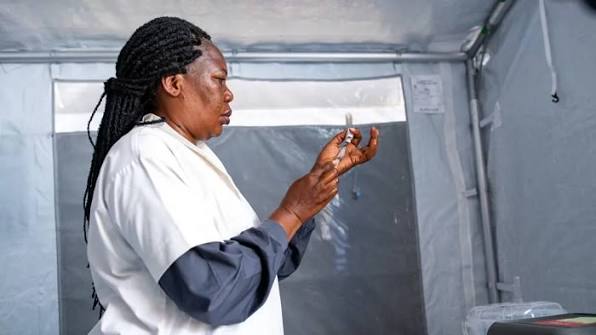
Kenya has confirmed its first Ebola case after a citizen who had been living in the Democratic Republic of Congo (DRC) died in Nairobi.
Kenya’s Health Minister, Mr Aden Duale, said the patient had been ill for about a month before travelling by road from the DRC to Kampala, Uganda, and subsequently flying to Nairobi on Saturday.
The patient underwent routine health screening after arriving at Jomo Kenyatta International Airport before being taken to hospital by a relative.
He was later admitted to Nairobi Hospital with symptoms including fever, chills, severe fatigue, weakness, painful swallowing, muscle pain and bleeding beneath the skin.
Health officials suspected viral haemorrhagic fever because of his symptoms and travel history, and laboratory testing subsequently confirmed infection with the Ebola Bundibugyo virus.
The patient died at about 11:30 p.m. on Monday while receiving supportive treatment.
Duale said arrangements were being made for a safe and dignified burial in accordance with public health protocols.
Kenyan health authorities have identified 28 contacts, including family members and healthcare workers, and are working to trace 23 passengers and four crew members who travelled on the same flight as the deceased.
The authorities said those identified as contacts would be monitored as part of measures to prevent further transmission.
Kenya becomes the latest country affected by the Ebola outbreak that began in the DRC and subsequently spread to Uganda. Uganda recorded 20 cases and two deaths before being declared free of Ebola in August.
The DRC outbreak, caused by the relatively rare Bundibugyo strain, has recorded more than 8,000 confirmed cases and over 4,000 deaths, according to recent government figures.
The World Health Organisation has warned that population movement and cross-border travel could complicate efforts to contain the outbreak.
Ebola spreads through direct contact with the bodily fluids of infected people, including those who have died from the disease. It can cause fever, vomiting, diarrhoea and, in severe cases, internal and external bleeding.
There is currently no approved vaccine or specific treatment for the Bundibugyo strain, although treatment and vaccine trials are underway.
Sponsored

Related stories
 News
NDC Chieftain Faults FG’s Appeal Against £420m Enugu Coal Miners’ Compensation Ruling
A chieftain of the Nigeria Democratic Congress, Okenna Peter Agubuzu, has criticised the Federal Government’s appeal against a £420 million compensation judgment for families of 21 coal miners killed during the 1949 Iva Valley Massacre, urging the government to withdraw the appeal.
 News
One Dead as Three Trucks Collide on Lagos-Ibadan Expressway
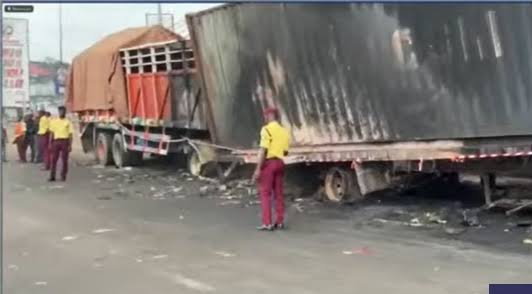
One person has died following a collision involving three trucks along the Lagos-Ibadan Expressway in Ogun State. The accident occurred around the BNX axis, with traffic authorities confirming that the affected vehicles had been evacuated and normal movement restored.
 News
Stakeholders Demand Safeguards Against Risks of Industrial Animal Farming
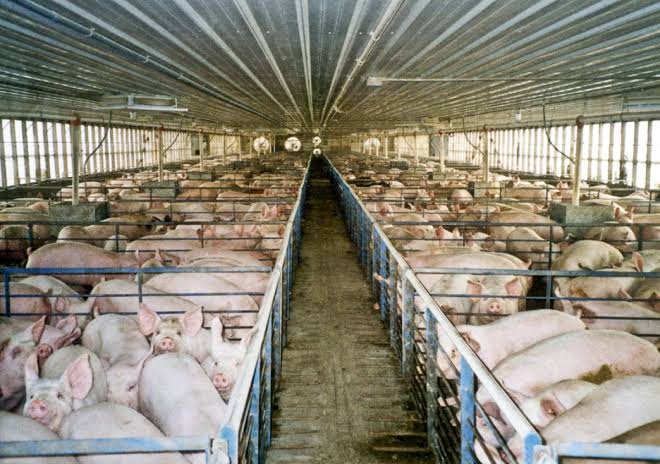
Environmental and agricultural stakeholders have urged the Federal Government to introduce stronger regulations, ensure transparency and protect local farmers and host communities as Nigeria considers a proposed $2.5bn investment in industrial animal farming by Brazilian meat-processing company, JBS.
 News
Oyo APM Tells Tinubu Nigerians Need Better Living Conditions, Not Name-Calling
The Allied Peoples’ Movement (APM) in Oyo State has criticised President Bola Tinubu over his remarks at the APC rally in Ibadan, urging him to focus on improving Nigerians’ living conditions rather than attacking political opponents.
Comments (0)
Leave a comment
All comments are moderated before publishing. Your email is never published.