
Katsina Pays Mothers ₦1,000 Transport Fare Per Visit to Boost Child Immunisation Turnout
Katsina State is going beyond free vaccinations by paying mothers ₦1,000 in transport support for every immunisation visit, an incentive health officials say is helping remove a major barrier to routine childhood vaccination.
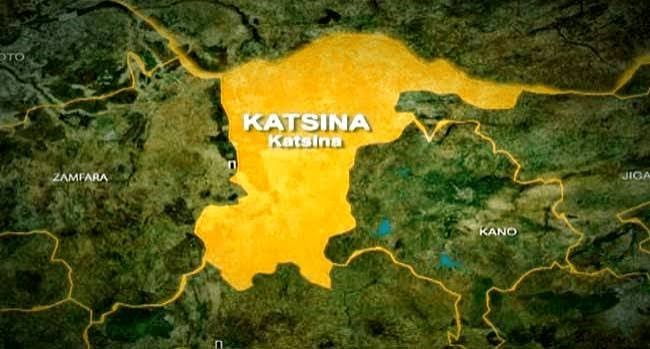
The Katsina State Government has taken its policy of providing free vaccinations for newborns a step further, moving to remove the financial burden mothers face in transporting themselves and their infants to hospitals for routine immunisation appointments.
Under the initiative, the state government is incentivising mothers with ₦1,000 in transport support for every hospital immunisation visit, an approach designed to eliminate cost as a barrier to consistent childhood vaccination. The programme also involves documenting each mother's immunisation visit and providing photo evidence confirming that the ₦1,000 payment was made, a system intended to ensure accountability in the disbursement process.
Charity Okere, a mother of three residing in Katsina city, described her experience with the programme while attending the health clinic in Kofar Kaura on Monday, August 10, 2026, to immunise her youngest child, a process she has undergone multiple times before. The Comprehensive Health Centre in Kofar Kaura, Katsina City, is more commonly known locally as Kofar Kaura Hospital.
Okere, an indigene of Anambra State who previously lived in southwestern Nigeria, said that rather than paying for her baby's immunisation as she had done in the past, she was instead the one being paid. "They give ₦1,000 for every immunisation visit. I don't know how much I would normally pay for immunisation at the hospital in the state. But in the Southwest, where I lived, it was ₦200 for every immunisation back in 2022. Since I came to Katsina, we have had no such charges," she said, drawing a direct contrast between her prior experience and the current arrangement in Katsina.
Maryam Sani, another patient at the same neighbourhood immunisation programme, reported a similar experience, confirming that she too had received the ₦1,000 payment from hospital management at every immunisation appointment she attended.
Explaining the rationale behind the policy, Dr Shema'u Kabir, Acting Executive Director of the Katsina State Primary Healthcare Development Agency, outlined the state's broader approach to vaccine access and the accompanying transport support payments to mothers, framing the initiative as part of a wider effort to remove practical barriers that have historically kept families from completing recommended immunisation schedules for their children.
The transport subsidy initiative forms part of a broader push by the administration of Governor Dikko Umaru Radda to strengthen maternal and child health outcomes across Katsina State. In recent months, the state has intensified related efforts, including enlisting religious leaders such as Imams and pastors to help mobilise communities around child health and vaccination, with officials urging faith leaders to use Friday prayers, Islamic schools, and church services to sensitise residents on child protection, family welfare, and responsible parenting.
Katsina has also worked with UNICEF and the Katsina State Primary Health Care Agency on technology-driven interventions, including a mobile application used to help track and follow up on children due for routine immunisation, particularly across local government areas identified as having disproportionately high numbers of unimmunised children. Similar efforts have extended to the state's nomadic communities, where mobile health teams have worked to build trust and improve vaccine uptake among historically underserved populations.
Katsina has continued to grapple with significant public health challenges tied to child health and nutrition, including persistently high rates of childhood malnutrition and immunisation gaps that have drawn sustained attention from both state authorities and international development partners in recent years. The transport fare subsidy represents one of the more direct financial interventions the state has introduced to date, targeting a specific, practical obstacle, the cost and difficulty of transportation, that has often kept mothers from completing their children's full immunisation schedules.
By directly compensating mothers for the cost of transportation to health facilities, Katsina's approach reflects a growing recognition among health officials that removing logistical and financial barriers can be just as important as the availability of free vaccines themselves in improving immunisation coverage, particularly in communities where transportation costs have historically discouraged consistent attendance at routine health appointments.
Sponsored

Related stories
 Health
Diri Orders Free Quarterly Health Checks for All Bayelsa Residents at Secondary Facilities
Governor Douye Diri has directed Bayelsa's Ministry of Health to begin free quarterly medical check-ups across all eight local government areas, aimed at helping residents who cannot afford routine screening and promoting early detection of diseases.
 Health
‘Priceless Gift of Sight’ Reaches 400,000 Beneficiaries
FCMB and the Tulsi Chanrai Foundation say their 15-year eye care partnership has reached over 400,000 Nigerians, as a World Sight Day roundtable in Abuja pushes for private-sector funding to sustain and expand care.
 Health
FUNAAB Launches Africa’s First AI Disease Surveillance System
Researchers at the Federal University of Agriculture, Abeokuta, have developed IDS-Master, a groundbreaking AI-powered surveillance system that detects infectious disease outbreaks in real time by analysing reports from community leaders, health agents, and ordinary residents. Described as Africa's first fully AI-driven event-based surveillance platform, the innovation promises to bridge critical gaps in outbreak detection across underserved rural communities where delays in reporting can cost l
 Health
NAFDAC Seeks Global Partners for Local Vaccine Production
The Director-General of the National Agency for Food and Drug Administration and Control (NAFDAC), Prof. Mojisola Adeyeye, has called on international partners to support the establishment of vaccine manufacturing facilities in Nigeria, saying local production is the missing link in the agency’s push to attain World Health Organisation Maturity Level 4 for vaccine lot release. She spoke at the 8th Nigeria Pharma Manufacturers’ Expo in Lagos, where she commended President Bola Tinubu’s Executive
Comments (0)
Leave a comment
All comments are moderated before publishing. Your email is never published.