
Kano Tops 2026 NECO Results Again
Kano State has topped the 2026 NECO examination for the second consecutive year, with 74,413 candidates securing five credits, as Governor Yusuf hails sustained education investments
State has once again emerged as the undisputed leader in the National Examinations Council (NECO) Senior School Certificate Examination (SSCE), marking the second consecutive year the state has topped the national performance chart. The historic achievement underscores the tangible impact of the state government’s sustained and strategic investments in the education sector.
According to the official 2026 NECO results, Kano State recorded an impressive 74,413 candidates who obtained at least five credits, including the mandatory subjects of English Language and Mathematics. This stellar performance placed Kano ahead of other major educational hubs in the country. Lagos State followed closely in second position with 72,496 candidates, while Oyo State secured the third spot with 55,543 candidates.
Retaining the number one position two years in a row is a significant milestone that reflects a systemic improvement in teaching quality, student preparedness, and administrative efficiency across the state’s secondary schools. The consistency of this performance signals a departure from historical fluctuations, establishing Kano as a formidable model for educational excellence in Northern Nigeria and beyond.
Reacting to the development, the Executive Governor of Kano State, Abba Kabir Yusuf, expressed profound pride in the students, teachers, parents, and all educational stakeholders who contributed to this outstanding outcome. In a statement issued by the Director-General of Media and Publicity, Sunusi Bature Dawakin Tofa, Governor Yusuf described the back-to-back triumph as a clear validation of the administration’s educational policies.
“This remarkable achievement is an indication that the state’s sustained investment in education is producing measurable, real-world results,” Governor Yusuf stated. He commended the resilience and dedication of the students, noting that their hard work has brought immense pride to their families and the state at large.
To ensure this momentum is not just a fleeting success but a permanent feature of the state’s educational landscape, Governor Yusuf assured the people of Kano that his administration would continue to prioritize the sector. The government’s roadmap includes increased budgetary allocations, the construction and rehabilitation of learning facilities, aggressive teacher recruitment and training programs, and expanded scholarship schemes for indigent students.
A cornerstone of this success has been the deliberate removal of financial barriers that historically prevent talented but underprivileged students from participating fully in the education system. As part of these targeted interventions, the Kano State Government disbursed over N4.4 billion in 2026 specifically to sponsor candidates for the Senior Secondary School Certificate Examination. This massive financial backing ensured that students, regardless of their socioeconomic background, could sit for the examinations under optimal conditions without the burden of registration fees or logistical constraints.
Furthermore, the governor highlighted that education has consistently received the largest share of Kano State’s annual budget under his administration. This deliberate fiscal prioritization has allowed the state to overshoot the United Nations Educational, Scientific and Cultural Organization (UNESCO) benchmark, which recommends that at least 15 to 20 percent of a national or sub-national budget be allocated to education. By meeting and exceeding this global standard, Kano is laying a robust foundation for long-term human capital development.
Educational analysts note that Kano’s success is particularly commendable given the sheer volume of students in the state’s public school system. Managing such scale while simultaneously improving quality requires meticulous planning, robust monitoring, and unwavering political will. The collaboration between the Ministry of Education, school administrators, and the NECO officials has clearly yielded a framework that other states can emulate.
As the state celebrates this latest academic triumph, the focus now shifts to sustaining and building upon this foundation. Governor Yusuf’s administration is tasked with ensuring that the transition from secondary school to tertiary education remains seamless for these high-achieving students. For now, the 2026 NECO results stand as a powerful testament to what can be achieved when government policy, adequate funding, and community effort are perfectly aligned in the pursuit of knowledge.
Sponsored

Related stories
 Tech & Education
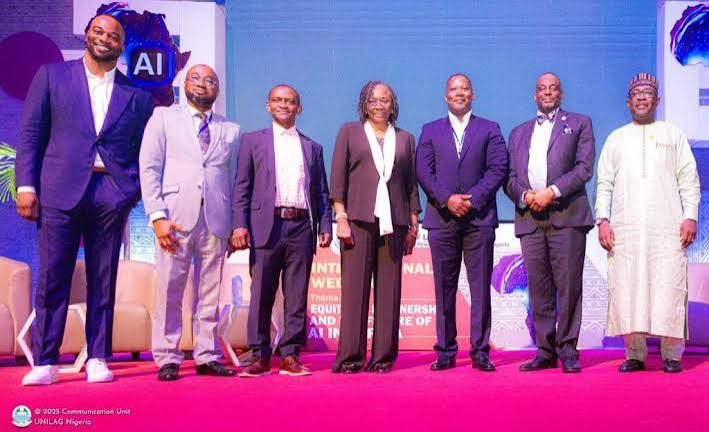
African Universities Urged to Rethink Teaching in AI Era
At UNILAG's International Week, leaders from the University of Ghana, UNILAG and UNDP argued that AI makes memorisation-based teaching obsolete and urged universities to reform curricula, assessment and incentives to reward critical thinking and innovation.
 Tech & Education
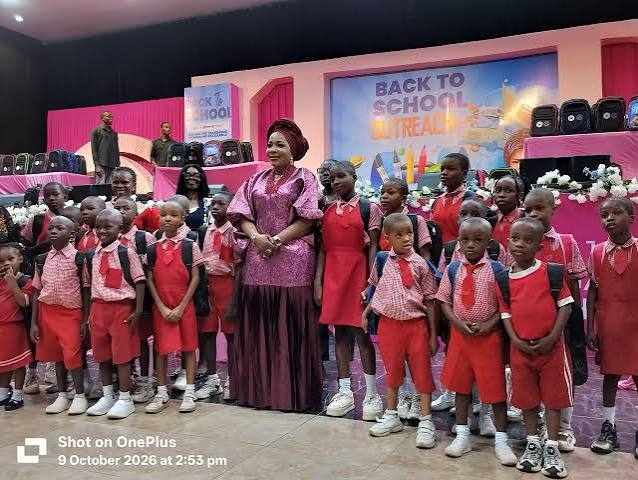
Otti’s Wife Supports 1,000 Abia Pupils With School Materials
The wife of the Abia State Governor, Mrs. Priscilla Otti, has distributed back-to-school materials to 1,000 indigent pupils from 50 public schools across the state's 17 local government areas, declaring that a child's background should never be a barrier to greatness. The intervention, organised by the Safe Tent Care Initiative in collaboration with the Abia State Universal Basic Education Board, is designed to support families struggling to provide essential educational materials for their chil
 Tech & Education
AI Era: Experts Warn Nigerian Graduates Face Skills Gap
Education experts have warned that Nigerian universities risk producing graduates who are ill-prepared for an AI-driven global job market unless curricula are urgently overhauled. At the StudyIn Global Study Conference 2026 in Lagos, stakeholders called for proactive curriculum reform, ethical AI adoption, and a shift from producing AI users to nurturing AI innovators who can solve real-world problems.
 Tech & Education
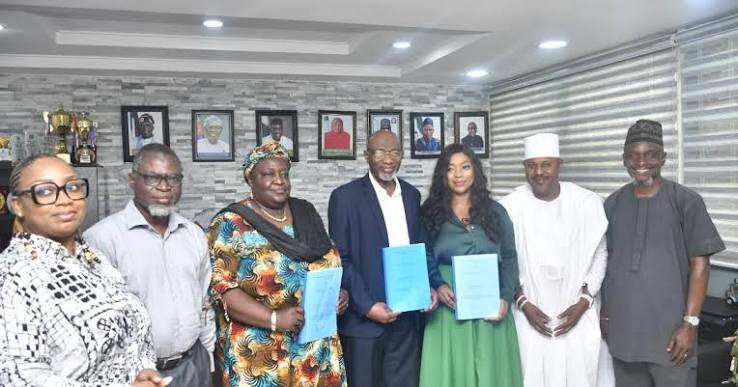
YABATECH, Threatremeter Launch Filmmaking Centre
Yaba College of Technology has signed a partnership with Threatremeter Nigeria Limited to establish a Centre for Filmmaking and Production, offering certified training in acting, directing and film production for students and the public.
Comments (0)
Leave a comment
All comments are moderated before publishing. Your email is never published.