
Jigawa Unveils 10-Year Education Strategic Plan (2026–2035) to Transform Learning Outcomes
Jigawa State has launched a 10-year education strategic plan and local operational plans, developed with UNICEF and NIEPA under an EU-funded programme, targeting access, quality and inclusion across the state's education system.

The Jigawa State Government has rolled out a 10-year State Education Strategic Plan (SESP 2026-2035), along with accompanying state and local government operational plans, designed to guide education development in the state from 2026 through 2035.
The plan was developed in collaboration with the United Nations Children's Fund (UNICEF) and the National Institute for Educational Planning and Administration (NIEPA), and was unveiled during a dissemination event held at 3 Star Hotel, Dutse. It forms part of a broader initiative funded by the European Union under the Education and Youth Empowerment Programme in Northern Nigeria (EYPINN).
Speaking at the event, Jigawa State Commissioner for Basic Education, Alhaji Lawan Yunusa Danzomo, described the strategic plan as a comprehensive framework covering Early Childhood Care Development and Education (ECCDE), basic education, senior secondary education, Technical, Vocational Education and Training (TVET), adult and non-formal education, nomadic education, tertiary education, and teacher professional development, alongside education quality assurance.
Danzomo identified six key thematic areas underpinning the plan's approach to educational transformation: access, equality and inclusiveness; quality and relevance; infrastructure and facilities; governance, management and efficiency; resilience and emergency preparedness; and sustainable financing. He explained that the plan was structured around these pillars in order to provide a systematic, long-term roadmap capable of addressing the range of challenges affecting Jigawa's education sector, from foundational learning gaps to system-wide governance issues.
The Jigawa initiative forms part of a wider NIEPA-UNICEF collaboration extending across five Nigerian states, Lagos, Jigawa, Enugu, Sokoto, and Adamawa, all developing similar 10-year strategic education plans under comparable EU-funded programming. According to NIEPA's Director-General/Chief Executive, Dr A. D. Shofoyeke, who has spoken at parallel plan launches in other participating states, the collaboration began in 2025 with a review of existing education sector documents and training for education planners and Education Management Information System (EMIS) officers on evidence-based planning, gender-transformative education, and disability-inclusive education. The wider initiative also involves developing local education sector operational plans and conducting annual education sector performance assessments across the participating states.
Officials involved in the broader programme have stressed that the plans are intended to align state-level education policy with the Federal Government's basic education framework, while specifically targeting Nigeria's persistently high rate of out-of-school children and working to make learning more accessible and inclusive for children with disabilities and those in underserved communities.
Beyond the state-wide 10-year framework, the accompanying State and Local Education Sector Operational Plans (SESOP and LESOP) provide more targeted, shorter-term implementation guidance. In parallel state rollouts under the same EU-funded programme, officials have explained that while the 10-year strategic plan typically covers all local government areas within a state, the shorter three-year operational plans focus specifically on local government areas directly supported under the EU programme, allowing for more concentrated, resource-backed interventions in priority areas.
The unveiling of Jigawa's plan reflects a broader push across Northern Nigeria to strengthen evidence-based education planning at the state level, with officials from the wider NIEPA-UNICEF collaboration consistently emphasising that the success of such plans will ultimately be measured not by the production of policy documents alone, but by their effective implementation and tangible impact on children and communities. Sustained government investment and transparent implementation, officials have noted, are seen as key to attracting continued support and additional intervention from donor partners going forward.
For Jigawa, a state that continues to grapple with significant education access and quality challenges common across much of Northern Nigeria, the newly adopted 10-year plan represents a structured, long-term commitment to addressing gaps in enrolment, learning outcomes, infrastructure, and teacher capacity, with implementation now expected to unfold in phases as the various education agencies within the state work to translate the framework's six thematic priorities into measurable results over the coming decade.
Sponsored

Related stories
 Tech & Education
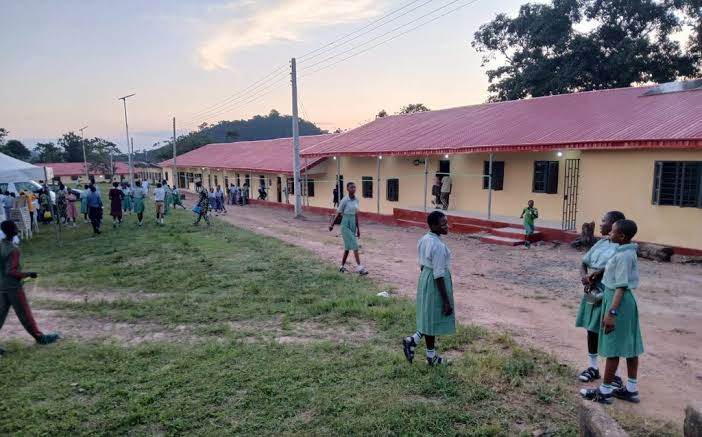
Bamidele Unveils N200m Renovated Science College
Senate Leader Opeyemi Bamidele has commissioned the renovated Government Science College, Iyin-Ekiti, personally funded at over N200 million, donating buses to the school and nearby FUTESI while promising a second phase of upgrades.
 Tech & Education
Abia Students Crowned Global Debate Champions
Students from public schools in Abia State, representing Nigeria, have emerged overall champions at the 2026 International Schools Debate Championship in Doha, Qatar, winning four major trophies and 12 laurels after defeating teams from Jordan, India, Qatar, the Philippines, Kenya and others. The historic victory has been hailed as proof that Governor Alex Otti's education reforms are producing world-class scholars.
 Tech & Education
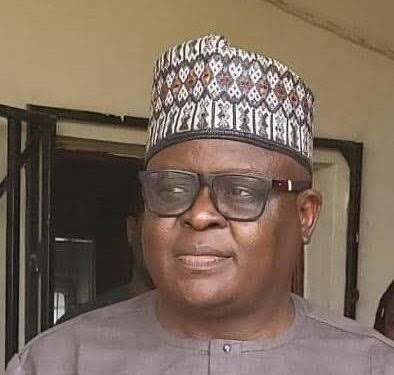
WAEC Appoints Suleiman Kum as New Head of Nigeria National Office
The West African Examinations Council has appointed 56-year-old Suleiman Danlami Kum as the new Head of the Nigeria National Office, succeeding Dr Amos Josiah Dangut, who has assumed office as the council’s Registrar and Chief Executive Officer. A seasoned test developer, administrator and executive with 28 years of service, Kum is expected to drive technological innovation and examination security across Nigeria’s foremost examinations body.
 Tech & Education
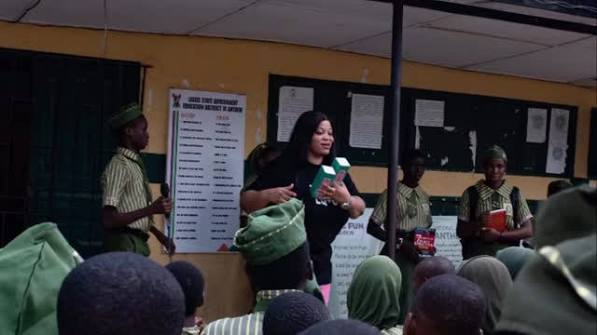
Emmanuel College ’88 Set Renovates Classrooms, Pays Exam Fees
The Progressives of the Unique 1988 Set of Emmanuel College Owerri have unveiled a renovated five-classroom block and paid NECO and WAEC fees for financially disadvantaged students at their alma mater.
Comments (0)
Leave a comment
All comments are moderated before publishing. Your email is never published.