
INEC Chairman Says Nigerians, Not Algorithms, Will Decide 2027 Elections
INEC Chairman Joash Amupitan says Nigerians will determine the outcome of the 2027 general elections, warning that artificial intelligence could spread disinformation and undermine voters’ confidence if not properly managed.
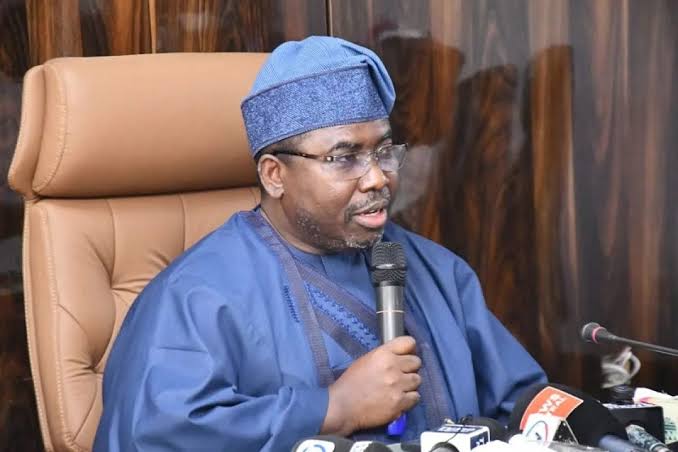
The Chairman of the Independent National Electoral Commission (INEC), Prof. Joash Amupitan, has said Nigerians, rather than artificial intelligence algorithms, will determine the outcome of the 2027 general elections.
Amupitan made the statement on Wednesday at the Artificial Intelligence and Democracy Forum 2026 in Abuja, organised by INEC and Yiaga Africa, with the theme, “Safeguarding the 2027 General Elections in the Age of Artificial Intelligence”.
He said although artificial intelligence could influence electoral administration and the information available to voters, the technology must remain subordinate to human judgement and democratic institutions.
Amupitan noted that algorithms could analyse patterns, recommend preferences and improve logistics but lacked the authority to decide who should govern the country.
He warned, however, that artificial intelligence would significantly shape the electoral environment by influencing the circulation of information, the security and speed of election logistics, and the tactics used by individuals seeking to manipulate the process.
The INEC chairman described the 2027 elections as one of the largest democratic exercises on the African continent, involving more than 103 million registered voters across 176,846 polling units in 774 local government areas.
He disclosed that the commission had completed 10 of the 14 major operational milestones outlined under the Electoral Act 2026.
According to him, INEC had procured additional Bimodal Voter Accreditation System devices, digitised candidate nominations through its Candidates Nomination Portal and processed more than 15,000 nominations across 22 political parties. The commission had also introduced online voter registration.
Amupitan said artificial intelligence could improve election logistics through route planning, strengthen biometric database management, assist in auditing results, facilitate multilingual voter engagement and enhance cybersecurity.
He stressed that critical electoral decisions, including voter accreditation, result collation and candidate qualification, would not be fully automated or delegated to autonomous systems.
The chairman identified generative artificial intelligence, deepfakes, synthetic media, targeted political advertising, algorithmic bias and automated cyberattacks as threats to electoral credibility.
He warned that fabricated audio recordings, videos and images could mislead voters and weaken confidence in genuine electoral information.
Amupitan disclosed that INEC had established a dedicated Artificial Intelligence Division within its Information and Communications Technology Directorate, equipped with digital monitoring tools, deepfake detection software and data analytics capabilities.
He urged political parties to adopt an ethical code of conduct for artificial intelligence, while calling on civil society organisations to scrutinise algorithmic transparency and monitor digital campaign spending.
He also asked security agencies and judicial officers to strengthen their capacity for cybercrime investigations and digital forensics. Media organisations, he said, should establish specialised digital forensic desks to verify user-generated content before publication or broadcast.
The chairman further proposed an Electoral Information Integrity Coalition involving INEC, civil society groups, media organisations, fact-checkers and telecommunications operators to detect and respond to AI-generated misinformation.
He reiterated that the commission’s responsibility was to ensure that technology strengthened electoral transparency without undermining Nigerians’ right to freely choose their leaders.
Sponsored

Related stories
 News
Dangote Eyes 500,000-Tonne Cocoa Deal in Ghana
Nigerian billionaire Aliko Dangote is in talks with Ghana to process 500,000 metric tonnes of cocoa locally under a proposed agreement aimed at expanding value addition.
 News
Oyo Begins Verification for Circular Road Compensation
Oyo State Government will begin verifying property owners affected by the second segment of the Ibadan Circular Road ahead of compensation payments.
 News
Fani-Kayode Accuses South African Presidency of Excluding His Speech from Letters of Credence Livestream
Nigeria’s High Commissioner to South Africa, Femi Fani-Kayode, has protested the omission of his speech from a presidential livestream, alleging deliberate exclusion.
 News
FCC Files Charges Against Customs CG Over Failure to Provide 2025/2026 Recruitment Information
The Federal Character Commission has filed criminal charges against Customs and its Comptroller-General over alleged breaches of recruitment monitoring and disclosure requirements.
Comments (0)
Leave a comment
All comments are moderated before publishing. Your email is never published.