
IMF Warns Poverty Risks Persist Despite Nigeria’s Economic Stability
The IMF warns that rising food and energy prices continue to threaten vulnerable Nigerians despite improving economic stability and growth.
The International Monetary Fund (IMF) has warned that poverty and food insecurity remain major concerns in Nigeria despite improvements in macroeconomic stability and economic growth.
In its October 2026 World Economic Outlook report, titled Resilience Under Strain, Urgent Choices, the Fund said rising prices of essential goods could worsen living conditions for vulnerable households.
The assessment highlights the gap between improving economic indicators and the daily experiences of Nigerians struggling with the cost of food, energy and other basic necessities.
The IMF projected that Nigeria’s economy would grow by 4.2 per cent in 2026, up from an estimated 4.0 per cent in 2025, with growth expected to reach 4.3 per cent in 2027.
It also forecast a decline in average consumer price inflation from 23 per cent in 2025 to 15.6 per cent in 2026 and 14.7 per cent in 2027.
Despite these projections, the Fund cautioned that economic growth and improved external conditions would not automatically translate into better living standards for households facing persistent affordability challenges.
Nigeria’s position as an oil exporter has benefited from favourable terms of trade, but higher food and energy costs continue to place pressure on household budgets.
The IMF also warned that geopolitical tensions, disruptions to energy supplies and tighter global financing conditions could weaken economic performance and increase hardship in developing countries.
To reduce the burden on vulnerable Nigerians, the Fund recommended temporary and targeted income support rather than broad interventions that could undermine public finances.
It also called for stronger social protection systems to help governments respond more effectively to economic shocks and ensure assistance reaches households that need it most.
The report’s findings reinforce concerns that macroeconomic reforms must be accompanied by measures that improve access to essential goods, protect vulnerable citizens and expand economic opportunities.
For Nigeria, the challenge remains turning improved economic stability into tangible benefits for households through effective social protection, sustainable job creation and policies that support more inclusive growth.
Sponsored

Related stories
 News
News
NSA Unveils New Security Framework to Tackle Oil Theft, Pipeline Vandalism
Nuhu Ribadu unveils standard procedures to coordinate security agencies and contractors, protect oil infrastructure and curb crude theft.
 News
News
Child Soldier: US Threatens to Cut Military Aid to Nigeria
US listing cites child recruitment by Boko Haram and ISWAP, threatening restrictions on military assistance.
 News
News
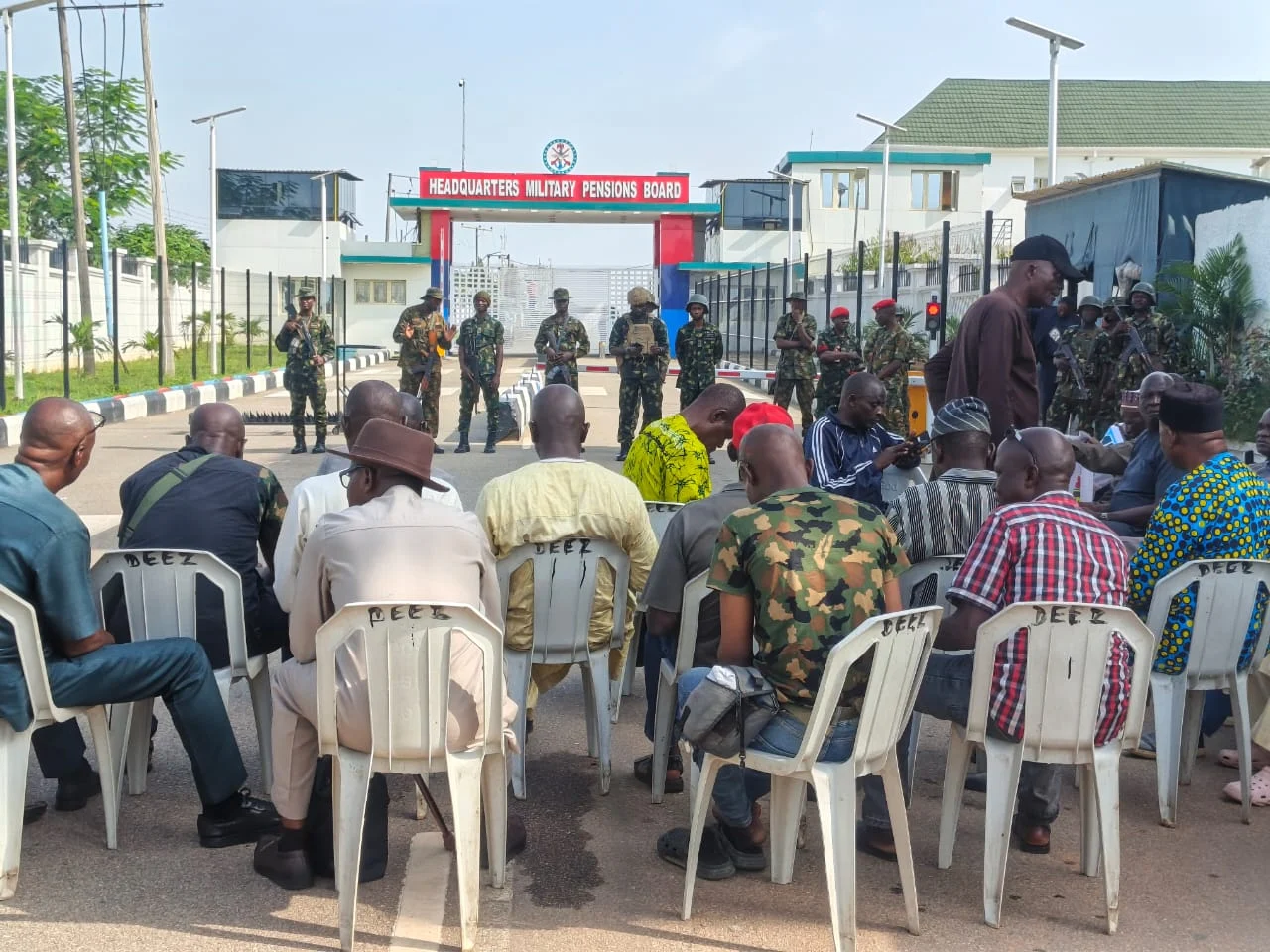
Military Veterans Block Pensions Board Entrance, Demand Fair Adjustment
Retired military personnel in Abuja protest pension calculations, demanding a fair review of adjustments linked to salary increases.
 News
News
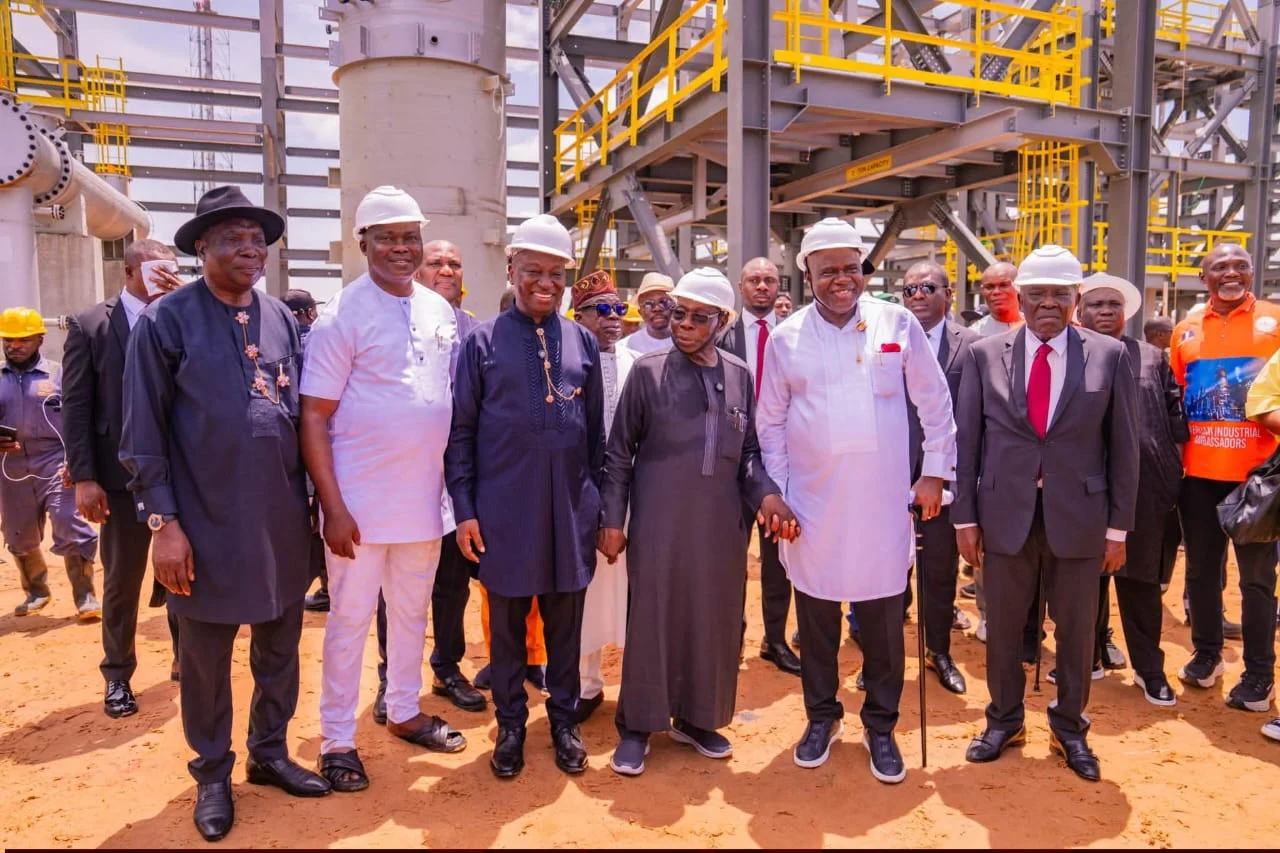
Obasanjo, Diri Demand More Oil Revenue for Niger Delta
Obasanjo and Diri call for a review of the 13 per cent derivation allocation, arguing oil-producing communities deserve greater benefits.
Comments (0)
Leave a comment
All comments are moderated before publishing. Your email is never published.