
Home Based Care: Stakeholders Advocate Shift to Decongest Hospitals, Create Nursing Jobs
Healthcare professionals and stakeholders are championing home-based healthcare as a viable solution to Nigeria's overstretched hospitals, workforce shortages, and patients' access challenges. At a summit in Lagos, experts called for greater adoption of the model, which they said could decongest facilities, create employment for idle nurses, and improve patient outcomes—particularly for the elderly and those with mobility issues.
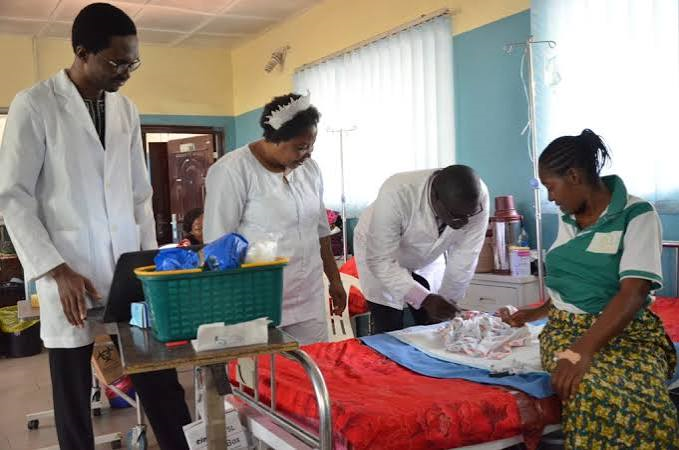
Healthcare professionals and stakeholders have called for greater adoption of home-based healthcare to ease pressure on hospitals, improve access to medical services, and create employment opportunities for nurses struggling to secure placements in government facilities. The stakeholders spoke at a healthcare summit organised by Nexa Nurses, a Nigeria-based healthcare firm, last Saturday in Ikeja, Lagos, bringing together certified nurses, medical practitioners and other healthcare professionals to discuss challenges in healthcare delivery and the role of home-based care in addressing them.
Speaking at the programme, Dr Tunji Akintade, Medical Director of Hamaab Medical Centre in Lagos and a former chairman of the Healthcare Providers Association of Nigeria, Lagos State chapter, said the shortage of healthcare workers and difficulties faced by some patients in accessing hospitals had made home-based care increasingly necessary. Akintade noted that the COVID-19 pandemic demonstrated that some patients could receive medical attention remotely, adding that not every patient needed to visit a hospital to receive care.
"We have a lot of patients who have issues going to hospitals. They have been placed on daily injections for a period," he explained. "But if you connect with Nexa Nurse, you can always get nurses in that neighbourhood to do the same thing without the patients clustering in the hospital environment," he added. He said the model could also create employment opportunities for nurses who are unable to secure placements in government facilities. "Quite a lot of nurses are there. They are not even getting placements in the government. But if you give them this virtual opportunity, they will be gainfully employed," Akintade noted.
Akintade added that home-based healthcare could particularly benefit elderly people and others who have difficulty accessing hospitals. He, however, stressed the importance of proper prescriptions for services provided by nurses and digital documentation after assignments are completed. On the nursing profession, Akintade said nursing was an art mixed with science, urging practitioners to be thorough, ethical and empathetic. "As nurses, you are the eyes and ears of the doctor, but also the voice of the patients," he stated. He described the shortage of healthcare manpower as a reason for exploring initiatives that could expand access to care outside conventional hospital settings.
At the summit, Nexa Nurses unveiled a mobile application designed to connect patients with qualified and registered nurses who provide care at home. Chief Technical Officer and Chief Operating Officer of Nexa Nurses, Collins Nwude, said the platform was created to formalise home healthcare, which he said had been taking place informally. Nwude said the app includes an SOS system designed to track a nurse's location and alert the company in the event of a security issue or emergency. He said the company would also engage security agencies, particularly the Nigeria Police Force, on measures to strengthen the safety of nurses and patients. The application is scheduled for official launch on September 7.
The summit also featured a panel session where six nursing professionals fielded questions from participants on issues affecting the profession and healthcare delivery. Francis Adeshina, a mind coach and one of the speakers, said digital platforms could provide healthcare professionals with additional opportunities to earn income. The call for home-based care comes as Nigeria's healthcare system continues to grapple with significant challenges, including a severe shortage of healthcare workers, overcrowded hospitals, and limited access to quality medical services, particularly in rural and underserved areas. The World Health Organisation has repeatedly warned that Nigeria's doctor-to-patient ratio falls far below recommended standards, placing immense pressure on the few available healthcare professionals and facilities.
The home-based care model offers a compelling alternative that could relieve some of this pressure while simultaneously creating new economic opportunities for nurses who remain underutilised within the formal health system. By enabling patients to receive care in their homes, the approach reduces hospital congestion, minimises the risk of hospital-acquired infections, and improves the patient experience, particularly for those with chronic conditions or mobility challenges. The formalisation of home healthcare through digital platforms also promises to bring structure and accountability to a sector that has operated largely informally.
For Nigeria's healthcare system, the adoption of home-based care could represent a significant shift in how medical services are delivered. As the population grows and healthcare needs become more complex, innovative solutions like the Nexa Nurses platform will be essential to ensuring that all Nigerians have access to quality care, regardless of their location or ability to visit a hospital. With the right regulatory framework and investment, home-based healthcare could become a cornerstone of Nigeria's health system, creating jobs, improving outcomes, and bringing care closer to the people who need it most.
Sponsored
Related stories
 Health
Diri Orders Free Quarterly Health Checks for All Bayelsa Residents at Secondary Facilities
Governor Douye Diri has directed Bayelsa's Ministry of Health to begin free quarterly medical check-ups across all eight local government areas, aimed at helping residents who cannot afford routine screening and promoting early detection of diseases.
 Health
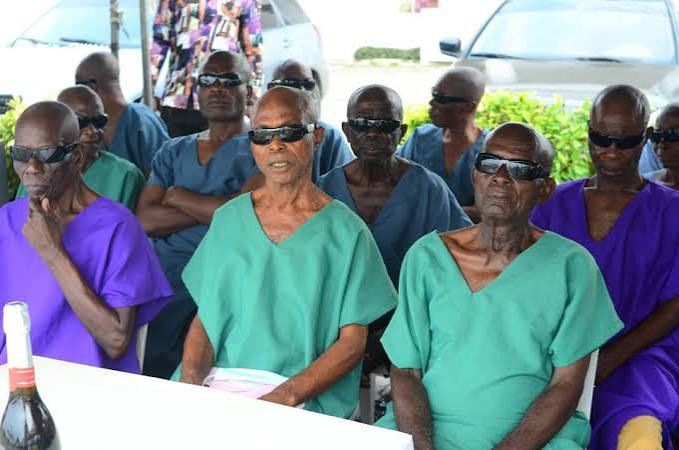
‘Priceless Gift of Sight’ Reaches 400,000 Beneficiaries
FCMB and the Tulsi Chanrai Foundation say their 15-year eye care partnership has reached over 400,000 Nigerians, as a World Sight Day roundtable in Abuja pushes for private-sector funding to sustain and expand care.
 Health
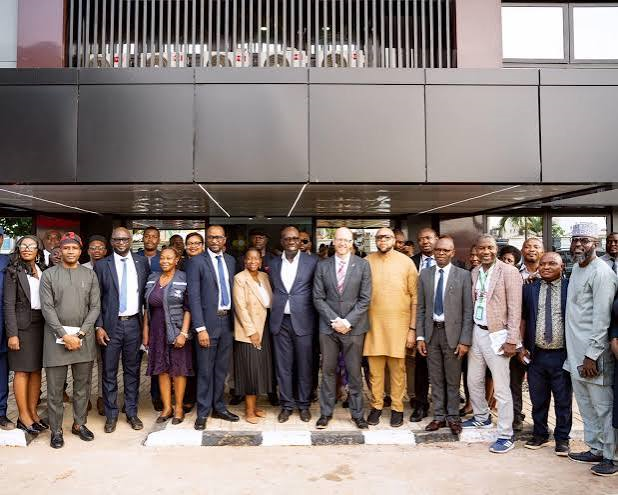
FUNAAB Launches Africa’s First AI Disease Surveillance System
Researchers at the Federal University of Agriculture, Abeokuta, have developed IDS-Master, a groundbreaking AI-powered surveillance system that detects infectious disease outbreaks in real time by analysing reports from community leaders, health agents, and ordinary residents. Described as Africa's first fully AI-driven event-based surveillance platform, the innovation promises to bridge critical gaps in outbreak detection across underserved rural communities where delays in reporting can cost l
 Health
NAFDAC Seeks Global Partners for Local Vaccine Production
The Director-General of the National Agency for Food and Drug Administration and Control (NAFDAC), Prof. Mojisola Adeyeye, has called on international partners to support the establishment of vaccine manufacturing facilities in Nigeria, saying local production is the missing link in the agency’s push to attain World Health Organisation Maturity Level 4 for vaccine lot release. She spoke at the 8th Nigeria Pharma Manufacturers’ Expo in Lagos, where she commended President Bola Tinubu’s Executive
Comments (0)
Leave a comment
All comments are moderated before publishing. Your email is never published.