
Genetically Modified Pig Kidney Kept US Man Off Dialysis for Record Nine Months — Lancet Study
A 66-year-old American man went 271 days without dialysis after receiving a genetically engineered pig kidney, in what researchers describe as the first successful use of an animal organ as a "bridge" to a human kidney transplant.
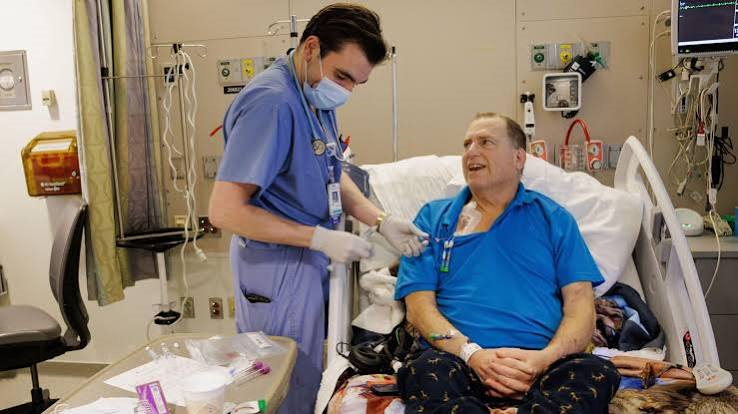
A genetically modified pig kidney kept a 66-year-old American man free of dialysis for a record 271 days, in what researchers describe as the first successful use of a pig organ as a temporary "bridge" toward a subsequent human kidney transplant.
Findings from the case, published in a new report in The Lancet, offer fresh hope for the growing number of patients worldwide who face long waiting times for human organs amid a persistent global shortage of donor kidneys.
The patient, who was living with kidney failure caused by type 2 diabetes, had already spent two years on haemodialysis, a medical treatment that uses a specialised machine to filter waste products, excess fluid, and toxins from the blood when the kidneys can no longer perform that function, before receiving the pig organ in January 2025.
According to the study, the man's prospects of receiving a human kidney through conventional means were bleak. Based on the Kidney Transplant Decision Tool, a programme used to weigh treatment options and estimate waiting times, his estimated probability of receiving a matching human kidney was only around 9 per cent, while his estimated risk of dying or being removed from the transplant waiting list altogether exceeded 40 per cent.
Given those odds, doctors proceeded with the experimental pig kidney transplant. The organ, sourced from a Yucatan miniature pig, was genetically engineered with 69 distinct genomic modifications specifically designed to improve its compatibility and safety within a human body. According to the researchers, the transplanted kidney began functioning immediately after the procedure, successfully providing dialysis-free kidney support for 271 days, a record for this kind of cross-species "bridge" transplant.
Around six months after the transplant, however, damage began developing in the blood vessels of the pig kidney, eventually progressing to organ failure. The kidney was removed roughly nine months after it was first transplanted. Notably, researchers found that the patient did not develop the antibodies against animal tissue that would typically be expected in such cases, antibodies that, had they developed, could have significantly complicated his ability to subsequently accept a human kidney. He also showed no signs of any animal-borne infections following the procedure.
After the pig kidney was extracted, the patient returned briefly to dialysis before going on to receive a human kidney transplant from a deceased donor. Following that second transplant, doctors reported that his kidney function has remained stable.
The case adds to a small but rapidly growing body of clinical experience with xenotransplantation, the use of animal organs, cells, or tissues to treat human patients, an area of medicine that had for decades been held back by the human immune system's tendency to violently reject foreign animal tissue. Advances in genetic engineering over the past several years have allowed researchers to modify pig organs to more closely resemble human tissue, reviving hope that such organs could eventually help ease chronic global shortages of donor kidneys, hearts, and other organs.
Previous xenotransplant cases in the United States have produced a range of outcomes. Some patients have lived with functioning pig kidneys for periods ranging from just over four months to more than seven months, while earlier experimental transplants, including two pig heart transplants and additional pig kidney procedures, generally proved shorter-lived. Researchers involved in these various trials have consistently stressed that each case, whatever its ultimate outcome, contributes valuable data toward eventually making xenotransplantation a safe, viable, and more widely available treatment option.
With more than 100,000 people currently on organ transplant waiting lists in the United States alone, the majority of them in need of kidneys, researchers say cases like this latest one offer a meaningful proof of concept: that a genetically modified pig kidney can successfully serve as a functional, dialysis-free bridge, buying critically ill patients precious time while they wait for a suitable human donor organ to become available.
Sponsored

Related stories
 Health
Diri Orders Free Quarterly Health Checks for All Bayelsa Residents at Secondary Facilities
Governor Douye Diri has directed Bayelsa's Ministry of Health to begin free quarterly medical check-ups across all eight local government areas, aimed at helping residents who cannot afford routine screening and promoting early detection of diseases.
 Health
‘Priceless Gift of Sight’ Reaches 400,000 Beneficiaries
FCMB and the Tulsi Chanrai Foundation say their 15-year eye care partnership has reached over 400,000 Nigerians, as a World Sight Day roundtable in Abuja pushes for private-sector funding to sustain and expand care.
 Health
FUNAAB Launches Africa’s First AI Disease Surveillance System
Researchers at the Federal University of Agriculture, Abeokuta, have developed IDS-Master, a groundbreaking AI-powered surveillance system that detects infectious disease outbreaks in real time by analysing reports from community leaders, health agents, and ordinary residents. Described as Africa's first fully AI-driven event-based surveillance platform, the innovation promises to bridge critical gaps in outbreak detection across underserved rural communities where delays in reporting can cost l
 Health
NAFDAC Seeks Global Partners for Local Vaccine Production
The Director-General of the National Agency for Food and Drug Administration and Control (NAFDAC), Prof. Mojisola Adeyeye, has called on international partners to support the establishment of vaccine manufacturing facilities in Nigeria, saying local production is the missing link in the agency’s push to attain World Health Organisation Maturity Level 4 for vaccine lot release. She spoke at the 8th Nigeria Pharma Manufacturers’ Expo in Lagos, where she commended President Bola Tinubu’s Executive
Comments (0)
Leave a comment
All comments are moderated before publishing. Your email is never published.