
From Crisis to Prevention: How Health Insurance Can Curb Sudden Deaths in Nigeria
Ultimate Health HMO boss Lekan Ewenla advocates for a shift from out-of-pocket payments to preventive health insurance, highlighting diaspora remittances and informal sector packages as key drivers for reducing sudden deaths
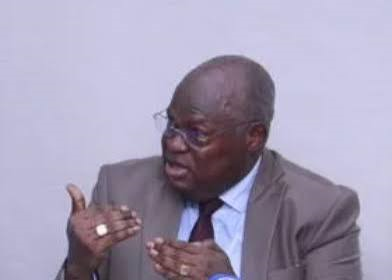
As Nigeria grapples with a healthcare system heavily reliant on reactive, out-of-pocket payments, health experts are championing a critical paradigm shift: leveraging health insurance as a preventive tool to curb the rising incidence of sudden deaths. Lekan Ewenla, Managing Director of Ultimate Health Management Services, has issued a strong call for Nigerians to abandon the traditional "wait-until-you’re-sick" approach to healthcare in favor of proactive, insurance-backed health management.
Speaking to journalists in Lagos on Tuesday, Ewenla argued that the fundamental purpose of health insurance extends far beyond settling hospital invoices. Instead, it is designed to fundamentally alter the health-seeking behavior of the populace. By providing regular access to medical professionals, health insurance enables the early detection and management of underlying conditions, preventing them from escalating into fatal emergencies.
“As a matter of fact, the concept of health insurance was, first of all, to change the health-seeking behaviour of Nigerians,” Ewenla stated. He emphasized that the system is deliberately structured to encompass both preventive and curative services, fostering a continuous, interactive relationship between enrollees and healthcare providers. This ongoing engagement, he noted, is vital for improving the country’s overall health indices and encouraging citizens to prioritize their well-being before severe conditions emerge.
This advocacy comes at a pivotal moment, as the Federal Government moves to enforce mandatory health insurance enrollment. Following a September 2025 circular from the Secretary to the Government of the Federation introducing sanctions for non-compliance, the need for widespread public education has become urgent. Ewenla urged the National Health Insurance Authority (NHIA) to intensify its enlightenment campaigns, ensuring that citizens clearly understand both the life-saving benefits of enrollment and the legal ramifications of opting out.
“It is important to educate the populace about the inherent benefits and the implications of non-compliance with the law,” he advised. He stressed that continuing to rely on direct, out-of-pocket payments exposes households to catastrophic financial and health risks, particularly when unexpected illnesses strike. “We need to migrate completely from paying out of pocket for medical services. It is no longer in vogue... People should enrol in the health insurance programme to have unhindered access to qualitative and affordable health care services all year round.”
Recognizing that the formal sector alone cannot drive universal health coverage, Ultimate Health HMO is actively targeting the informal sector. Ewenla disclosed that the company has adapted the robust benefit package of the public sector social health insurance programme specifically for small and medium-sized business owners and informal workers. He described the package as comprehensive, widely understood by NHIA-accredited facilities, and priced at a highly affordable premium to encourage mass adoption.
In an innovative twist to expand coverage, Ewenla also highlighted the potential of diaspora remittances to fund preventive healthcare. He revealed that Ultimate Health HMO recently traveled to the United Kingdom to relaunch its health insurance program tailored for Nigerians living abroad. The initiative encourages the diaspora to enroll their dependents and family members in Nigeria, rather than sending money reactively for emergency medical care.
“We have it on good authority that remittances from the diaspora back home every month are presently over $1bn per month, and a reasonable fraction of these funds are sent to individuals to access care,” Ewenla explained. By redirecting a portion of these informal funds into structured health insurance premiums, families can secure predictable, year-round access to quality healthcare, eliminating the financial panic associated with sudden medical crises.
Ultimately, Ewenla’s message is clear: the future of Nigerian healthcare lies in prevention. By embracing mandatory health insurance, leveraging diaspora support, and expanding access to the informal sector, Nigeria can transform its healthcare system from a reactive crisis-management model into a proactive, life-saving framework.
Sponsored
Related stories
 Health
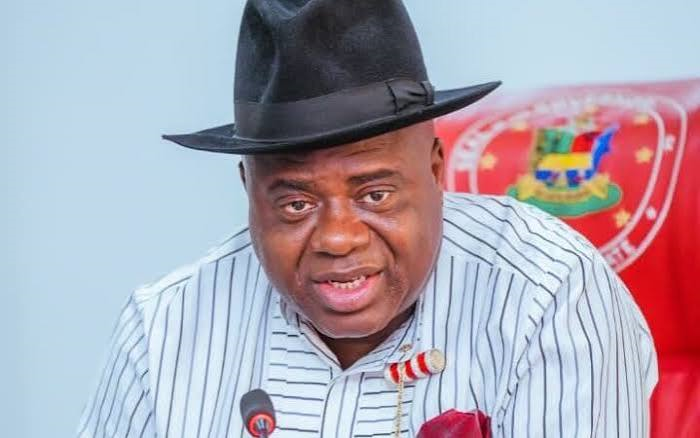
Diri Orders Free Quarterly Health Checks for All Bayelsa Residents at Secondary Facilities
Governor Douye Diri has directed Bayelsa's Ministry of Health to begin free quarterly medical check-ups across all eight local government areas, aimed at helping residents who cannot afford routine screening and promoting early detection of diseases.
 Health
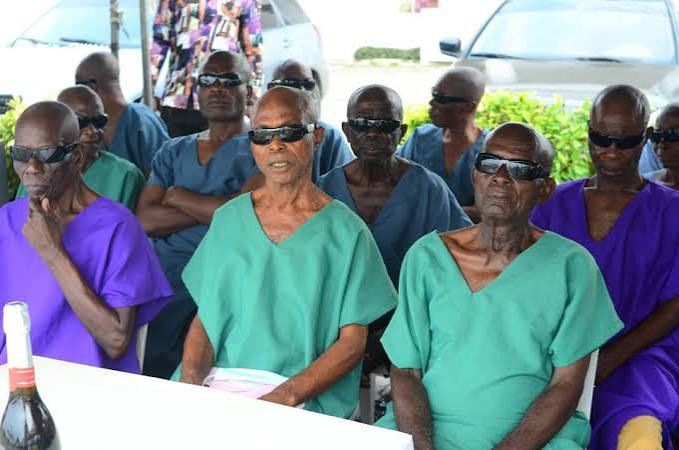
‘Priceless Gift of Sight’ Reaches 400,000 Beneficiaries
FCMB and the Tulsi Chanrai Foundation say their 15-year eye care partnership has reached over 400,000 Nigerians, as a World Sight Day roundtable in Abuja pushes for private-sector funding to sustain and expand care.
 Health
FUNAAB Launches Africa’s First AI Disease Surveillance System
Researchers at the Federal University of Agriculture, Abeokuta, have developed IDS-Master, a groundbreaking AI-powered surveillance system that detects infectious disease outbreaks in real time by analysing reports from community leaders, health agents, and ordinary residents. Described as Africa's first fully AI-driven event-based surveillance platform, the innovation promises to bridge critical gaps in outbreak detection across underserved rural communities where delays in reporting can cost l
 Health
NAFDAC Seeks Global Partners for Local Vaccine Production
The Director-General of the National Agency for Food and Drug Administration and Control (NAFDAC), Prof. Mojisola Adeyeye, has called on international partners to support the establishment of vaccine manufacturing facilities in Nigeria, saying local production is the missing link in the agency’s push to attain World Health Organisation Maturity Level 4 for vaccine lot release. She spoke at the 8th Nigeria Pharma Manufacturers’ Expo in Lagos, where she commended President Bola Tinubu’s Executive
Comments (0)
Leave a comment
All comments are moderated before publishing. Your email is never published.