
FG Uncovers 258,000 Illegal Admissions in Nigerian Universities, Colleges of Education
The Federal Government has uncovered a staggering 258,000 illegal admissions in Nigerian universities and colleges of education, with one institution admitting more illegal students than legitimate ones. As the Ministry of Education inaugurates a ministerial committee to strengthen accreditation and quality assurance, concerns mount over the production of half-baked graduates and the systemic corruption fuelling admission racketeering
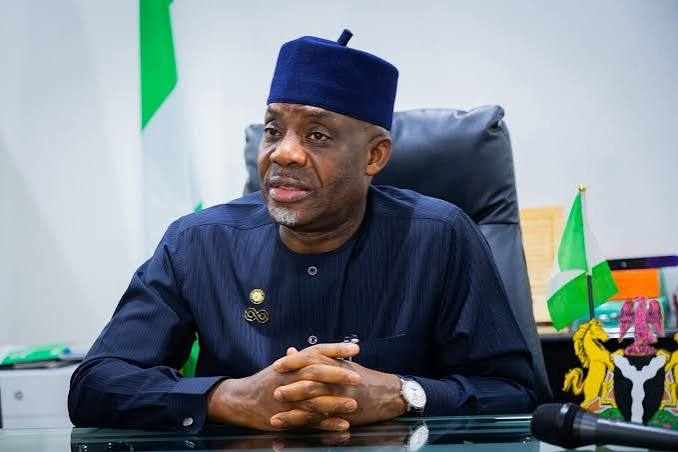
The Federal Government has uncovered over 258,000 illegal admissions in Nigerian universities and colleges of education, exposing a staggering scale of admission fraud that threatens the credibility and quality of the nation's tertiary education system.
The Minister of Education, Dr Tunji Alausa, disclosed the alarming figures at the inauguration of the Ministerial Committee on Strengthening the Accreditation and Quality Assurance System for Tertiary Institutions, chaired by the immediate past Registrar of the Joint Admissions and Matriculation Board (JAMB), Prof. Is-haq Oloyede. According to the minister, 58,000 students were illegally admitted into colleges of education, while no fewer than 200,000 students were admitted into universities through irregular means. The revelation has sent shockwaves through the education sector and raised urgent questions about the integrity of admission processes across the country.
The scale of the fraud became even more apparent when Alausa revealed that the ministry had anticipated the exercise would involve only about 5,600 cases in colleges of education. Instead, the eventual figure stood at 58,000, more than ten times the initial estimate. In one particularly egregious case, the minister disclosed that about 8,593 students were legally admitted while 9,872 were illegally admitted, meaning the number of illegal students exceeded those admitted through the approved process. The disclosure painted a damning picture of an admission system that has been systematically compromised over the years.
Alausa lamented that the practice had made it difficult for regulators to establish the actual number of students being trained across the nation's tertiary institutions. He said the illegal admissions were undermining the credibility and quality of tertiary education in the country, warning that the government would no longer tolerate practices that erode academic standards. The minister stressed that the newly inaugurated ministerial committee had a critical role to play in eliminating illegal admissions and strengthening the system.
The causes of this crisis are multifaceted and deeply entrenched. Financial extortion and admission racketeering have become lucrative enterprises for corrupt administrative staff and third-party syndicates who exploit desperate applicants by selling highly competitive placement slots for large sums of money. Profiteering from over-enrolment, bypassing academic quotas and regulations, and lowering cut-off criteria have all contributed to the proliferation of illegal admissions. Bribes and slot selling have become so pervasive that they now form part of the informal economy of many tertiary institutions.
The desperation of candidates and parents, combined with a lack of awareness about admission rules, further fuels the problem. With high competition for limited legal slots, thousands of anxious students and parents are pushed to seek illegal means to gain admission. The systemic corruption embedded within the admission process has made it difficult for institutions to eliminate the practice, despite repeated efforts by regulators to address the issue.
The implications of this crisis extend far beyond the statistics. Employers of labour have increasingly complained that only a small proportion of hundreds of applicants possess the competence required for available jobs. The proliferation of half-baked graduates and poor-quality teachers poses a direct threat to the nation's workforce and economic development. If left unchecked, the practice will continue to undermine the value of Nigerian qualifications and erode public confidence in the education system.
Stakeholders have called for stringent measures to address the crisis, including strict enforcement of approved admission quotas and appropriate sanctions for institutions that breach their quotas. There have also been calls for the government to stop granting amnesty to students involved in illegal admissions, as continuous amnesty will invariably breed new offenders. Once the government demonstrates seriousness in ending the granting of amnesty, the obnoxious practice must end.
Beyond sanctions and enforcement, experts have urged a fundamental shift in the nation's approach to education. The current emphasis on paper qualifications should give way to skill acquisition, with the government establishing more technical colleges that emphasise acquiring the much-needed skills for technical jobs, entrepreneurship, job creation and self-employment. By diversifying educational pathways and reducing the disproportionate pressure on university admissions, Nigeria can begin to address the root causes of illegal admissions while building a more skilled and competitive workforce.
The inauguration of the ministerial committee represents a critical step in the fight against admission fraud. With Prof. Oloyede, a man renowned for his reforms at JAMB, at the helm, there is cautious optimism that the committee will deliver meaningful change. However, the success of this effort will depend on the government's willingness to enforce sanctions, sustain the momentum of reform, and address the systemic corruption that has made illegal admissions a persistent feature of Nigeria's tertiary education landscape.
Sponsored

Related stories
 Tech & Education
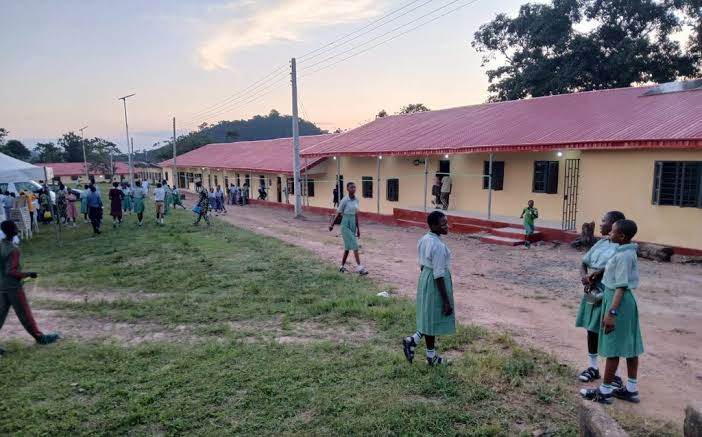
Bamidele Unveils N200m Renovated Science College
Senate Leader Opeyemi Bamidele has commissioned the renovated Government Science College, Iyin-Ekiti, personally funded at over N200 million, donating buses to the school and nearby FUTESI while promising a second phase of upgrades.
 Tech & Education
Abia Students Crowned Global Debate Champions
Students from public schools in Abia State, representing Nigeria, have emerged overall champions at the 2026 International Schools Debate Championship in Doha, Qatar, winning four major trophies and 12 laurels after defeating teams from Jordan, India, Qatar, the Philippines, Kenya and others. The historic victory has been hailed as proof that Governor Alex Otti's education reforms are producing world-class scholars.
 Tech & Education
WAEC Appoints Suleiman Kum as New Head of Nigeria National Office
The West African Examinations Council has appointed 56-year-old Suleiman Danlami Kum as the new Head of the Nigeria National Office, succeeding Dr Amos Josiah Dangut, who has assumed office as the council’s Registrar and Chief Executive Officer. A seasoned test developer, administrator and executive with 28 years of service, Kum is expected to drive technological innovation and examination security across Nigeria’s foremost examinations body.
 Tech & Education
Emmanuel College ’88 Set Renovates Classrooms, Pays Exam Fees
The Progressives of the Unique 1988 Set of Emmanuel College Owerri have unveiled a renovated five-classroom block and paid NECO and WAEC fees for financially disadvantaged students at their alma mater.
Comments (0)
Leave a comment
All comments are moderated before publishing. Your email is never published.