
FG Eyes 50% Reduction In Malaria Deaths By 2030
Nigeria’s Federal Government targets a 50 per cent reduction in malaria deaths by 2030 through prevention, diagnosis, treatment and improved healthcare access.
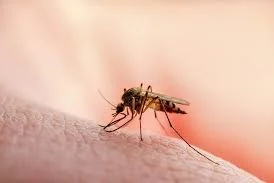
The Federal Government has announced plans to reduce malaria-related deaths in Nigeria by 50 per cent by 2030 through strengthened prevention, early diagnosis, effective treatment and improved access to essential healthcare services.
The target forms part of the government’s ongoing efforts to reduce the country’s malaria burden, which continues to place considerable pressure on households, healthcare facilities and the national economy.
Nigeria remains one of the countries most affected by malaria globally, with children under five and pregnant women among the populations most vulnerable to severe complications and death.
The government’s strategy is expected to strengthen existing malaria control programmes, improve access to insecticide-treated mosquito nets, expand diagnostic testing and ensure that patients receive appropriate treatment promptly.
Health authorities have repeatedly emphasised that malaria prevention requires coordinated action involving federal and state governments, local councils, healthcare professionals, development partners and communities.
Increased public awareness is also expected to play an important role in achieving the target. Residents are encouraged to sleep under insecticide-treated mosquito nets, eliminate stagnant water around their homes and seek medical attention when symptoms such as fever, chills, headache and body aches develop.
Health professionals advise against treating suspected malaria solely on the basis of symptoms, recommending diagnostic testing before treatment whenever possible. Prompt testing can help ensure that patients receive the appropriate medication while reducing the risk of misdiagnosis.
The government’s target also highlights the importance of improving access to antimalarial medicines and strengthening healthcare facilities, particularly in rural and underserved communities where diagnostic services and qualified medical personnel may be limited.
Malaria prevention programmes in Nigeria have received support from international partners, including the World Health Organization, the Global Fund and other organisations involved in disease control and public health interventions.
However, progress towards reducing malaria deaths depends on sustained funding, reliable supplies of medicines and diagnostic equipment, effective surveillance and the ability of health workers to reach vulnerable populations.
Challenges such as insecticide resistance among mosquitoes, drug resistance, inadequate healthcare infrastructure and delayed treatment can undermine control efforts if not adequately addressed.
Achieving a 50 per cent reduction in malaria deaths by 2030 would represent an important public health milestone for Nigeria. It would also require measurable progress in prevention, diagnosis, treatment and the monitoring of malaria-related deaths across the country.
The Federal Government is expected to work with relevant health agencies and development partners to strengthen implementation and track progress towards the 2030 target.
Sponsored

Related stories
 News
Dangote Eyes 500,000-Tonne Cocoa Deal in Ghana
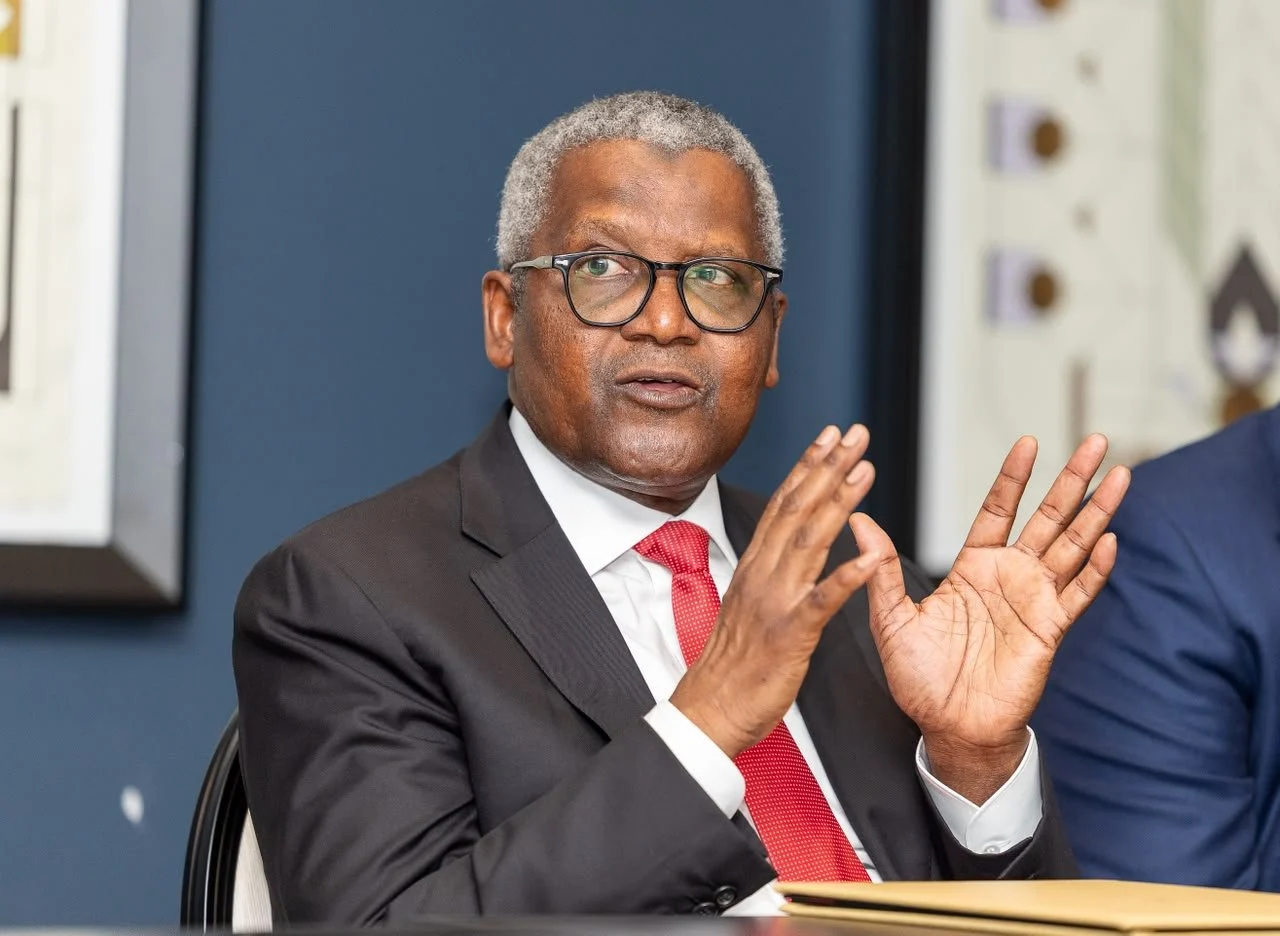
Nigerian billionaire Aliko Dangote is in talks with Ghana to process 500,000 metric tonnes of cocoa locally under a proposed agreement aimed at expanding value addition.
 News
Oyo Begins Verification for Circular Road Compensation
Oyo State Government will begin verifying property owners affected by the second segment of the Ibadan Circular Road ahead of compensation payments.
 News
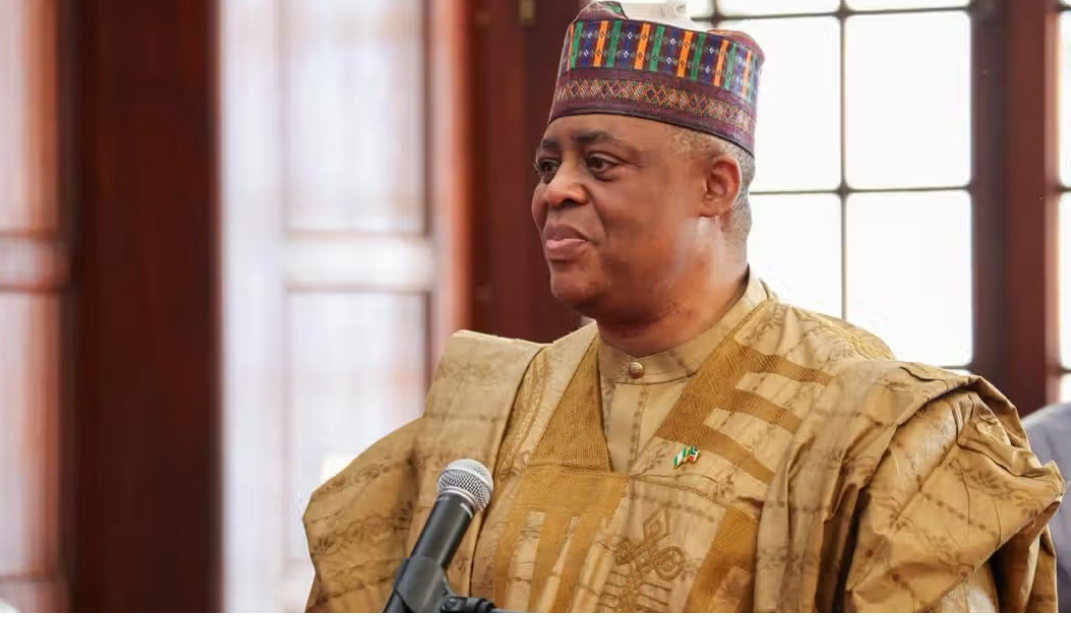
Fani-Kayode Accuses South African Presidency of Excluding His Speech from Letters of Credence Livestream
Nigeria’s High Commissioner to South Africa, Femi Fani-Kayode, has protested the omission of his speech from a presidential livestream, alleging deliberate exclusion.
 News
FCC Files Charges Against Customs CG Over Failure to Provide 2025/2026 Recruitment Information
The Federal Character Commission has filed criminal charges against Customs and its Comptroller-General over alleged breaches of recruitment monitoring and disclosure requirements.
Comments (0)
Leave a comment
All comments are moderated before publishing. Your email is never published.