
Fave Calls Out Double Standards in Music
Nigerian singer Fave has spoken out against the double standards that female artists face in the music industry, revealing that women are held to impossible standards while their male counterparts enjoy far greater creative freedom. In a candid interview, the 'Baby Riddim' star opened up about the pressure to constantly prove herself, the sexist expectations placed on her appearance and behaviour, and the industry's reluctance to take female artists seriously beyond their sexuality.
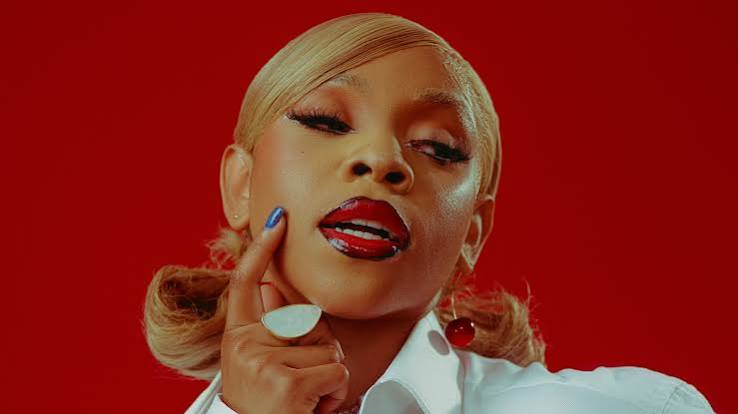
Nigerian singer and songwriter Fave has lamented the double standards facing female artists in the music industry, revealing that women are subjected to impossible standards while their male counterparts enjoy far greater creative freedom and forgiveness. The 'Baby Riddim' crooner made the revelation during a candid interview, offering a rare glimpse into the systemic inequalities that continue to shape the experiences of women in Afrobeats and the broader Nigerian music landscape.
Fave, whose real name is Chidozie Godsfavour Ugochinyere, said female artists are constantly required to prove themselves in ways that their male colleagues are not. "As a woman in this industry, you have to work twice as hard to be taken seriously. You can't just be good — you have to be exceptional, and even then, people will still question whether you deserve your success," she said. She noted that men are often celebrated for their flaws and mistakes, while women are punished for the slightest misstep. "A man can drop a bad song and people will say he's experimenting. A woman drops a bad song and suddenly she doesn't deserve to be in the industry. It's exhausting".
The singer also spoke about the sexist expectations placed on female artists' appearance and behaviour, revealing that she has faced pressure to conform to industry standards of beauty and conduct. "There is this idea that you have to look a certain way, dress a certain way, act a certain way. If you don't fit into that box, you're difficult or you're not marketable," she said. Fave added that she has been criticised for her fashion choices and her refusal to adopt a hyper-sexualised image, despite the fact that male artists are rarely subjected to the same scrutiny. "I've been told to be more sexy, to show more skin, to be more provocative. But that's not who I am. And it shouldn't have to be for me to succeed".
Beyond appearance, Fave said female artists are frequently reduced to their sexuality or their relationships with men, rather than being recognised for their talent and artistry. She recounted instances where her music was overshadowed by speculation about her romantic life or her connections to male artists. "People want to talk about who I'm dating or who I'm working with instead of the music. It's like my art is secondary to my existence as a woman," she said. "When a man makes a song, he's an artist. When a woman makes a song, she's a woman who sings. The framing is different".
The 'Mr Man' singer also highlighted the lack of solidarity within the industry, noting that women are often pitted against one another rather than encouraged to collaborate and support each other's growth. "There's this narrative that there can only be one woman at the top, so women are constantly compared to each other instead of being celebrated together," she said. "But we need to change that. We need to support each other, because the system is not designed for us to win".
Fave's comments echo sentiments expressed by other female Nigerian artists in recent years. Tems, Tyla, Ayra Starr, and others have spoken about the challenges of navigating an industry that continues to be dominated by men. Despite the global success of Afrobeats and the growing visibility of female artists, women remain significantly underrepresented in key creative and executive roles, and they continue to face discrimination and harassment in a sector that has only recently begun to confront its systemic failures.
The singer urged industry stakeholders to create more equitable opportunities for women, including fairer representation, equal pay, and protection from exploitation and abuse. "We are not asking for special treatment. We are asking for the same opportunities, the same respect, and the same freedom that men have," she said. "That's not too much to ask".
Fave, who broke into the mainstream with her 2021 single 'Baby Riddim' and has since released the critically acclaimed EP 'Dutty Love', has become one of the most distinctive voices in Afrobeats. Her willingness to speak openly about the industry's shortcomings reflects a growing confidence among a new generation of female artists who are determined to reshape the music landscape on their own terms. As the conversation around gender equality in Nigerian music continues to gain momentum, her voice adds to a chorus of women demanding change , and refusing to be silenced any longer.
Sponsored

Related stories
 Entertainment
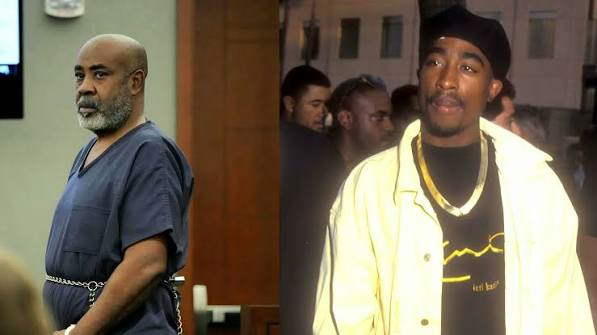
Keffe D Sentenced to 40 Years to Life for Tupac Shakur’s Murder
Duane “Keffe D” Davis, the former gang leader convicted of orchestrating Tupac Shakur’s 1996 murder, has been sentenced to 40 years to life in a Las Vegas courtroom. Davis, who insisted he would appeal, was told by the judge: “It took us 30 years, but at this time, you are going to face justice for what you did.”
 Entertainment
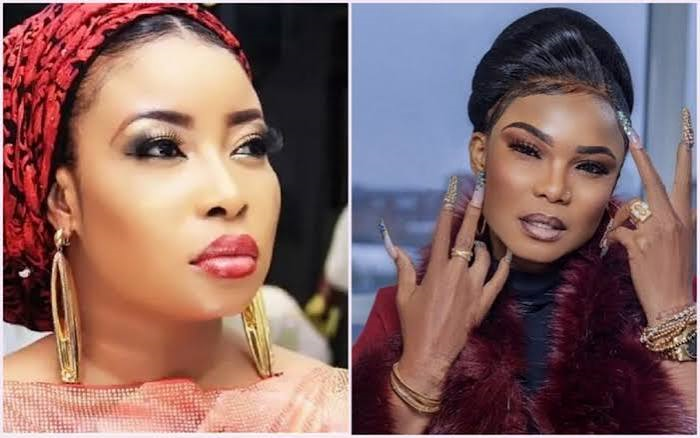
Lizzy Anjorin Threatens Iyabo Ojo, Bloggers With N50m Lawsuits
Nollywood actress Chief Lizzy Anjorin-Lawal has issued cease-and-desist notices to more than 100 bloggers, YouTubers and social media personalities, including actress Iyabo Ojo and her daughter Priscilla, threatening N50 million damages claims per person.
 Entertainment
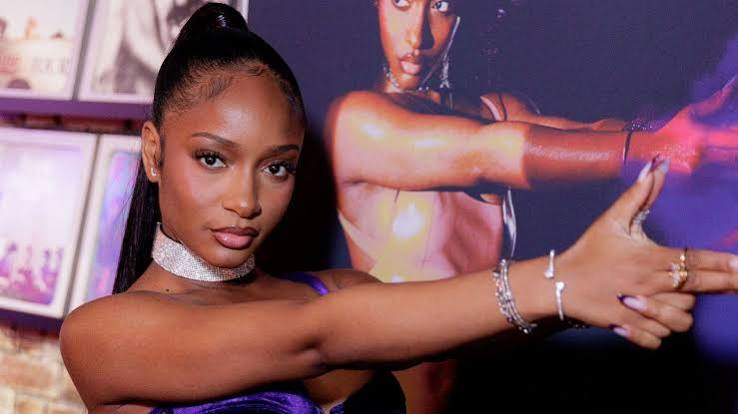
Ayra Starr Makes History at NFL London Halftime Show
Nigerian singer Ayra Starr performed live at the NFL's London game between the Eagles and Jaguars before a record crowd of 61,322, calling the moment "history-making" for African music and culture.
 Entertainment
Patience Ozokwor Breaks Silence on Missing Olu Jacobs' Funeral
Veteran Nollywood actress Patience Ozokwor has revealed why she was absent from the burial of legendary actor Olu Jacobs, explaining that contractual obligations in Ghana kept her away. In an emotional Instagram tribute, "Mama G" said she would have "given anything" to be there, as tributes poured in from Chiwetalu Agu, Pete Edochie, Rita Dominic, and Peter Obi for the late icon.
Comments (0)
Leave a comment
All comments are moderated before publishing. Your email is never published.