
Falola, Odukoya Urge Africa to Turn Resource Wealth Into Productive Power
Historians and economists Toyin Falola and Adelaja Odukoya have urged African countries to invest in industrialisation, technology and domestic production to transform natural resources into sustainable economic growth and greater global influence.
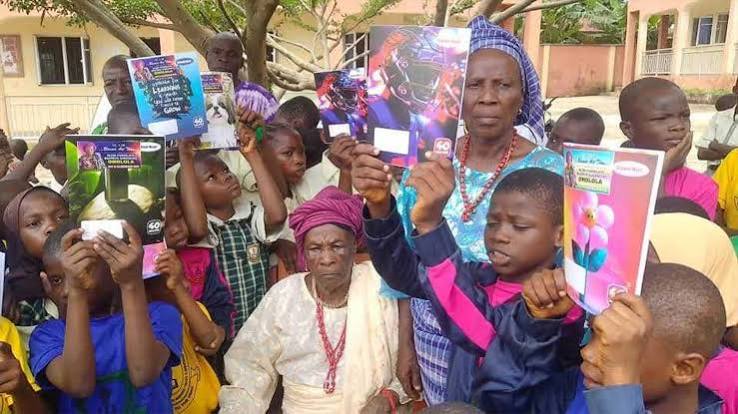
Renowned historian Professor Toyin Falola and political economist Professor Adelaja Odukoya have called on African countries to transform their abundant natural resources into productive power through industrialisation, value addition and stronger domestic production capacity.
They made the call at the inaugural Adeleke University Toyin Falola Annual Lecture, held on Thursday in Ede, Osun State. The event examined Africa’s development prospects and its position in an increasingly unsettled global economic order.
The lecture, organised in honour of Falola, was themed “History, Power and Accumulation: Reimagining Africa in the Globally Disorderly Order”.
Delivering the guest lecture, Odukoya argued that possessing abundant natural resources would have limited developmental benefits unless countries developed the industrial and technological capacity to process them and retain more of the wealth generated.
He said Africa needed to move beyond exporting raw materials and importing finished products towards building industries that create jobs, transfer technology and retain economic value within local economies.
According to him, increased investment and exports would not automatically produce meaningful economic transformation if they failed to strengthen domestic industries and expand productive capacity.
Odukoya warned that countries risked remaining economically dependent when they exported unprocessed resources but purchased finished goods manufactured from those same materials. He stressed that wealth accumulation alone should not be confused with development, which requires investment in productive capabilities and long-term economic resilience.
The economist’s argument has particular relevance to Nigeria, where natural resource exports have played a significant role in the economy. He maintained that development depended not only on revenue from these resources but also on how effectively the proceeds were channelled into local industries and technological advancement.
Falola also emphasised that Africa’s resource endowment would translate into meaningful economic and political influence only when the continent developed the capacity to harness its wealth.
He noted that the historical extraction of Africa’s resources, labour and knowledge had shaped the continent’s position in the global economy. He described colonialism as an economic system that influenced how African wealth was extracted and accumulated.
However, Falola argued that understanding this history should encourage African countries to seek more equitable participation in the global system rather than withdraw from it.
He called for stronger institutions, increased investment in knowledge production and greater confidence in Africa’s ability to influence international economic and intellectual affairs.
Falola also highlighted the importance of linking university research with government policy and industrial development. He said universities must generate knowledge, governments must translate it into effective policies, and industries must apply it to add value to the continent’s natural resources.
The lecture provided a platform for examining the connections between history, wealth accumulation, political power and economic development, with both scholars stressing that Africa’s transformation would require coordinated efforts to build industries and retain more value from its resources.
Sponsored

Related stories
 News
NDC Chieftain Faults FG’s Appeal Against £420m Enugu Coal Miners’ Compensation Ruling
A chieftain of the Nigeria Democratic Congress, Okenna Peter Agubuzu, has criticised the Federal Government’s appeal against a £420 million compensation judgment for families of 21 coal miners killed during the 1949 Iva Valley Massacre, urging the government to withdraw the appeal.
 News
One Dead as Three Trucks Collide on Lagos-Ibadan Expressway
One person has died following a collision involving three trucks along the Lagos-Ibadan Expressway in Ogun State. The accident occurred around the BNX axis, with traffic authorities confirming that the affected vehicles had been evacuated and normal movement restored.
 News
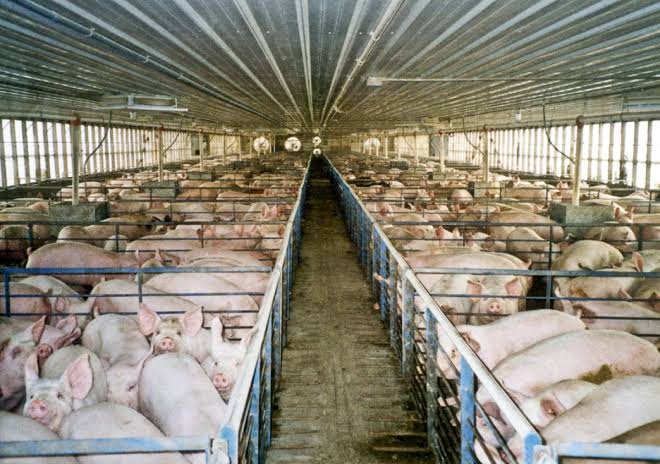
Stakeholders Demand Safeguards Against Risks of Industrial Animal Farming
Environmental and agricultural stakeholders have urged the Federal Government to introduce stronger regulations, ensure transparency and protect local farmers and host communities as Nigeria considers a proposed $2.5bn investment in industrial animal farming by Brazilian meat-processing company, JBS.
 News
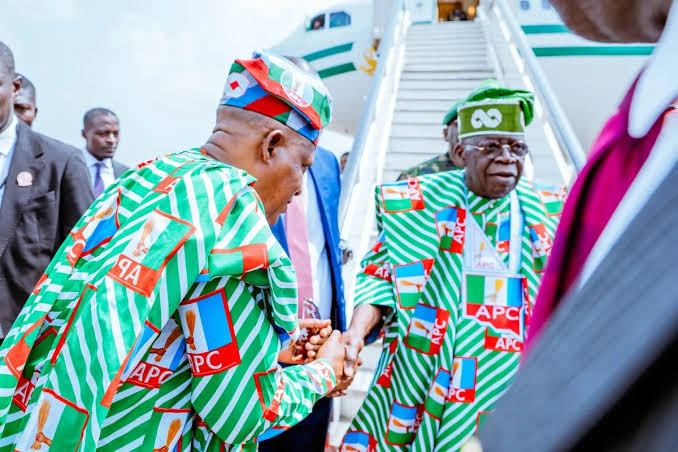
Oyo APM Tells Tinubu Nigerians Need Better Living Conditions, Not Name-Calling
The Allied Peoples’ Movement (APM) in Oyo State has criticised President Bola Tinubu over his remarks at the APC rally in Ibadan, urging him to focus on improving Nigerians’ living conditions rather than attacking political opponents.
Comments (0)
Leave a comment
All comments are moderated before publishing. Your email is never published.