
Experts Divided Over CBN’s 3% Interest Rate Slash
Experts differ on CBN’s rate cut, citing potential benefits for businesses alongside concerns over borrowing costs and foreign investment.
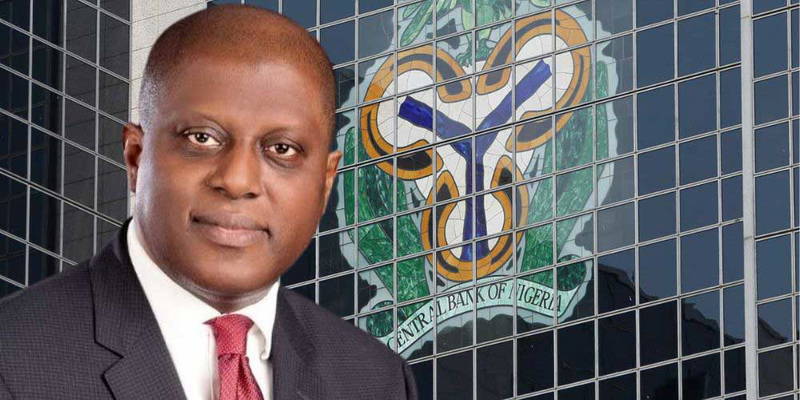
Experts have expressed mixed views on the Central Bank of Nigeria’s decision to cut its benchmark interest rate by 350 basis points, from 26.5 per cent to 23 per cent.
The decision was announced by CBN Governor Olayemi Cardoso after the Monetary Policy Committee’s 307th meeting in Abuja, marking a significant adjustment after the rate had been retained at 26.5 per cent in May and July.
The CBN described the move as an operational reset aimed at strengthening monetary policy transmission and aligning the policy framework with prevailing financial-market conditions.
Some economists welcomed the reduction, arguing that it could lower financing costs, encourage investment and provide relief to businesses operating under high borrowing costs.
Muda Yusuf, Chief Executive Officer of the Centre for the Promotion of Private Enterprise, described the reduction as timely, citing moderating inflation, exchange-rate stability and the widening gap between the policy rate and prevailing market rates.
He said the lower rate could support investment, production, working capital and job creation, particularly in sectors such as manufacturing, agriculture and construction.
Similarly, Uche Uwaleke, President of the Capital Market Academics of Nigeria, said the decision was supported by moderating inflation, improved foreign-exchange liquidity, exchange-rate stability and stronger external reserves.
However, Lucky Amiwero, President of the National Council of Managing Directors of Licensed Customs Agents, argued that the new rate remained too high to provide significant relief for businesses.
He said operators dependent on bank credit would continue to face substantial financing costs, particularly amid other structural challenges affecting businesses.
The Chartered Institute of Stockbrokers also highlighted potential effects on the capital market. Its president, Fiona Ahimie, said lower interest rates could encourage investors to move away from short-term fixed-income instruments toward longer-term bonds and equities.
Analysts, however, noted that lower domestic yields could also affect the attractiveness of Nigerian assets to foreign portfolio investors, with future capital flows depending on factors including exchange-rate stability, inflation and external reserves.
Cardoso said the adjustment should not be interpreted as a fundamental change in monetary policy stance, but as a recalibration designed to make the policy framework more effective.
The CBN said Nigeria’s gross external reserves stood at $55.25 billion as of September 18, while inflation and exchange-rate conditions had improved following previous tightening measures.
Sponsored

Related stories
 News
News
Police Secure Conviction of 19 for Terrorism, Others in Kebbi
Kebbi Police say 19 people were convicted for terrorism, illegal firearms possession and vandalism after 17 months of investigation.
 News
News
Lagos to Demolish GNI Building 10 Months After Fire
Lagos began controlled demolition of the fire-ravaged GNI building after structural checks found the 25-storey structure unsafe.
 News
News
Air Peace Cries Out as Fraudster Impersonates Staff to Dupe Passengers
Air Peace Cries Out as Fraudster Impersonates Staff to Dupe Passengers
 News
News
Dangote to Prioritise Investors with N50,000 or Below in Refinery IPO
Aliko Dangote says small investors subscribing with ₦50,000 or less will receive priority as the refinery seeks wider public ownership.
Comments (0)
Leave a comment
All comments are moderated before publishing. Your email is never published.