
Ex-FAAN MD Warns of Higher Airfares, Flight Disruptions Over Fuel Crisis
Former FAAN Managing Director Richard Aisuebogun has warned that disruptions to aviation fuel supplies could lead to higher ticket prices, flight delays, cancellations and reduced air connectivity in Nigeria.
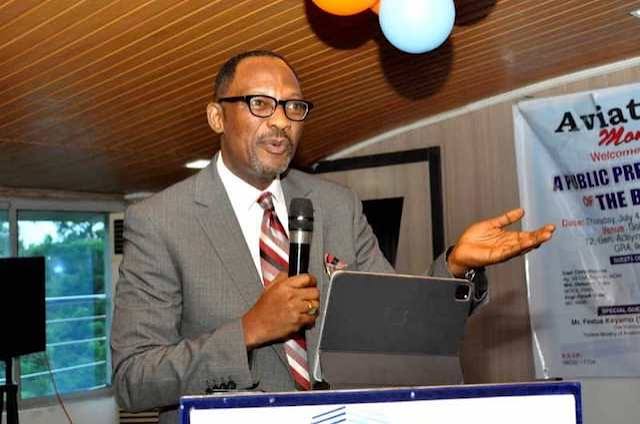
Former Managing Director of the Federal Airports Authority of Nigeria (FAAN), Dr Richard Aisuebogun, has warned that disruptions to aviation fuel supplies caused by geopolitical conflicts and global supply chain challenges could affect airline operations across the country.
Aisuebogun said the situation could trigger higher airfares, flight delays and cancellations, as well as reduced connectivity, urging the Federal Government to develop strategic fuel infrastructure to protect the aviation industry against external shocks.
He spoke at the second edition of the Transport Summit, themed Navigating Global Disruption and the Road Ahead: Mobility, Energy and Trade Facilitation for a Resilient Future, organised by JustAlive Communications Limited in Lagos.
The former FAAN chief explained that aviation was particularly vulnerable to fluctuations in global energy markets because jet fuel accounted for a significant proportion of airline operating expenses.
He noted that conflicts in major energy-producing regions and disruptions along international trade routes could increase the cost of fuel, insurance, shipping and imported technical equipment, with direct consequences for transport services.
Aisuebogun recalled that rising jet fuel prices and supply shortages had disrupted Nigerian airline schedules in May 2026, contributing to route adjustments, delays and cancellations, while increasing concerns about crew fatigue and financial pressures on operators.
He stressed that reliable fuel infrastructure was essential to national resilience, warning that prolonged supply disruptions could increase operating costs, reduce flight frequency and result in economic losses.
Beyond fuel availability, he identified inadequate airport infrastructure as another challenge affecting operational efficiency and the competitiveness of Nigeria’s aviation sector.
He called for sustained investment in runways, terminals, baggage-handling systems, navigation equipment, security installations, cargo facilities, fire and rescue services, power supply and digital systems.
According to him, infrastructure deficiencies could cause congestion, delays and higher operating expenses, while limited cargo-handling capacity could weaken the competitiveness of Nigerian exporters.
He urged authorities to assess airport development based on operational performance, safety, cargo capacity, passenger demand, connectivity and financial sustainability rather than the scale of construction projects alone.
Meanwhile, the Executive Director of Operations and Technical at Tantita Security Services Nigeria Limited, Captain Warredi Enisuoh, called for the deployment of heat-sensing drones along highways and vulnerable transport corridors to tackle kidnapping and protect the movement of goods.
Enisuoh said coordinated drone patrols by state governments could help security agencies identify criminals hiding in bushes and prevent attacks on motorists and commercial vehicles.
He maintained that technology-driven surveillance and public awareness were necessary to improve security, warning that a reactive approach would no longer be sufficient to address threats along the country’s transport routes.
Sponsored

Related stories
 News
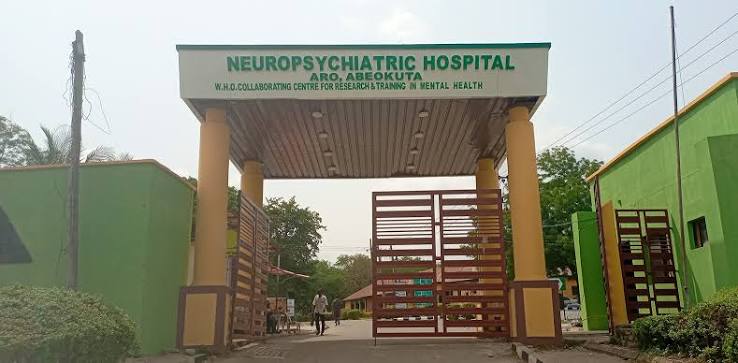
Equipment Shortages, Staff Deficits Undermine Patient Care at Aro Psychiatric Hospital
Shortages of essential medical equipment, drugs, water and electricity at the Federal Neuro-Psychiatric Hospital, Aro, have raised concerns over patient safety, following the death of a student nurse during an emergency.
 News
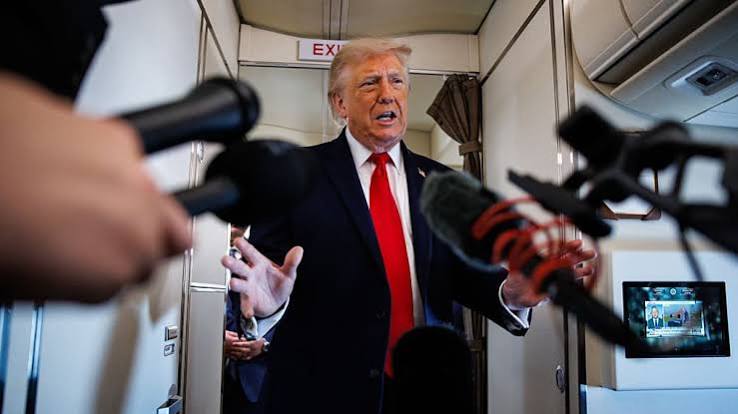
Trump Renews Threat of Strikes, Says US Has One or Two Targets Left in Iran
US President Donald Trump says Washington still has one or two Iranian sites to target, including a suspected underground nuclear facility, while diplomatic efforts to end the conflict continue.
 News
Fubara’s Political Future Uncertain After Recognising Wike as Rivers Leader
Rivers State Governor Siminalayi Fubara has asked his supporters to recognise FCT Minister Nyesom Wike as their political leader, raising questions about his influence and future political ambitions.
.jpg) News
Parties Differ Over INEC’s Readiness, Voter Register Ahead of 2027 Elections
Political parties have expressed contrasting views on INEC’s preparedness for the 2027 general elections, following the discovery of AI-generated photographs and other irregularities in the preliminary voters’ register.
Comments (0)
Leave a comment
All comments are moderated before publishing. Your email is never published.