
‘Every Nigerian Is Made Poor by 300%’ — Obasanjo Faults Naira Devaluation Under Tinubu
Former President Olusegun Obasanjo has criticised President Bola Tinubu’s economic reforms, saying naira devaluation has worsened poverty and reduced Nigerians’ purchasing power.
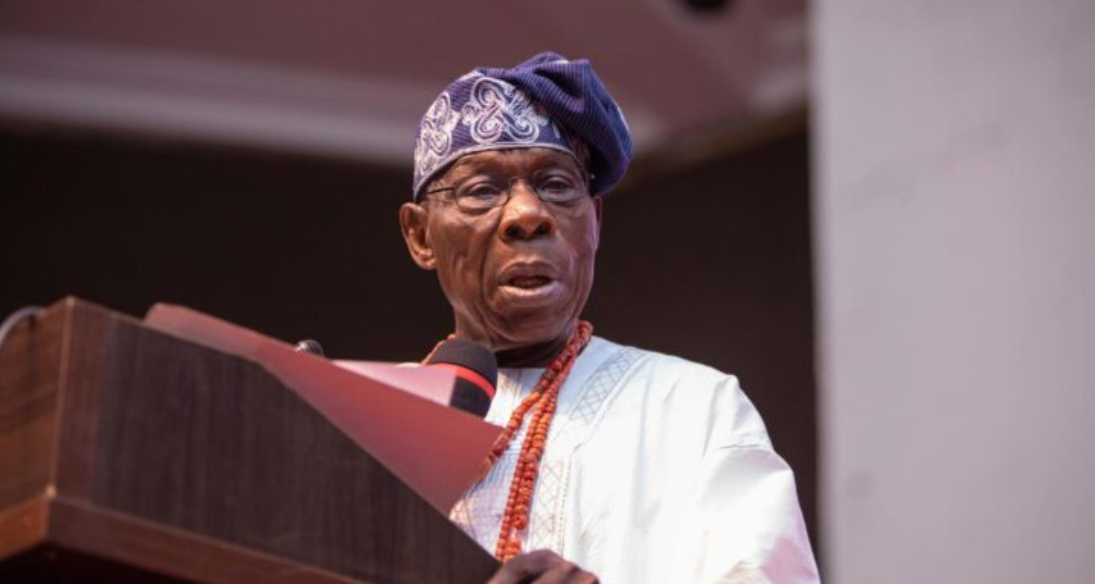
Former President Olusegun Obasanjo has criticised President Bola Tinubu’s economic reforms, arguing that the sharp depreciation of the naira has worsened poverty and placed additional financial pressure on Nigerians.
Obasanjo made the remarks on Wednesday, October 21, 2026, while speaking at the Financial Times Africa Summit in London, United Kingdom.
He faulted the decline in the value of the naira following the foreign exchange reforms introduced by Tinubu’s administration in 2023, saying the policy had significantly weakened the purchasing power of citizens.
“We do not live in isolation as a country. We interact with the rest of the world. And overnight, you devalue the currency by 300 percent. The naira went from N500 to a dollar to N1,500 to a dollar,” Obasanjo said.
He added that the depreciation had made Nigerians poorer and contributed to the country’s high poverty levels.
“What that meant was that every Nigerian is made poor by 300 percent. That made Nigeria become the poverty capital of the world, which means Nigeria has the largest number of poor people in the world,” he said.
The former president questioned the benefits of the reforms, insisting that their impact on citizens’ living conditions could not be described as positive.
“You cannot say to me that that is good for Nigeria. You cannot say to me that that is good for us in any sense,” he added.
Obasanjo also expressed doubts about claims that the economy was improving under Tinubu’s administration.
“For the economy, I don’t see anything getting better,” he said, questioning the argument that the President should be given more time to consolidate his policies.
Tinubu introduced major economic reforms shortly after assuming office in May 2023. The measures included removing the petrol subsidy and, in June of the same year, reforming the foreign exchange market to allow the naira to trade more freely.
The Federal Government has defended the reforms as necessary to address market distortions, improve foreign exchange availability and attract investment.
However, the naira’s depreciation, rising inflation and increases in food, transport and other essential costs have placed significant pressure on households and businesses.
Obasanjo’s comments add to the continuing debate over the impact of the administration’s economic policies as Nigeria approaches the 2027 general elections.
Sponsored

Related stories
 News
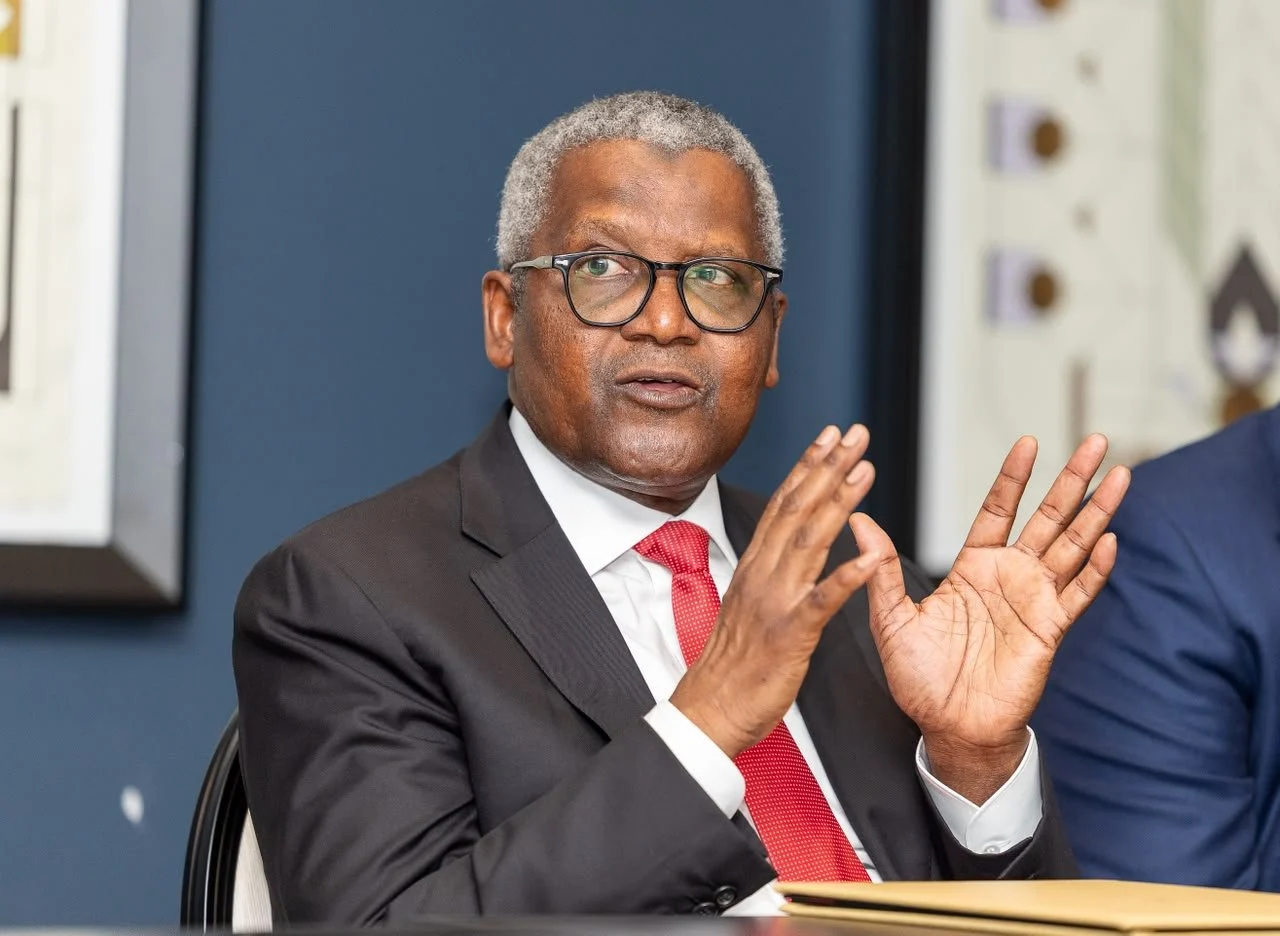
Dangote Eyes 500,000-Tonne Cocoa Deal in Ghana
Nigerian billionaire Aliko Dangote is in talks with Ghana to process 500,000 metric tonnes of cocoa locally under a proposed agreement aimed at expanding value addition.
 News
Oyo Begins Verification for Circular Road Compensation
Oyo State Government will begin verifying property owners affected by the second segment of the Ibadan Circular Road ahead of compensation payments.
 News
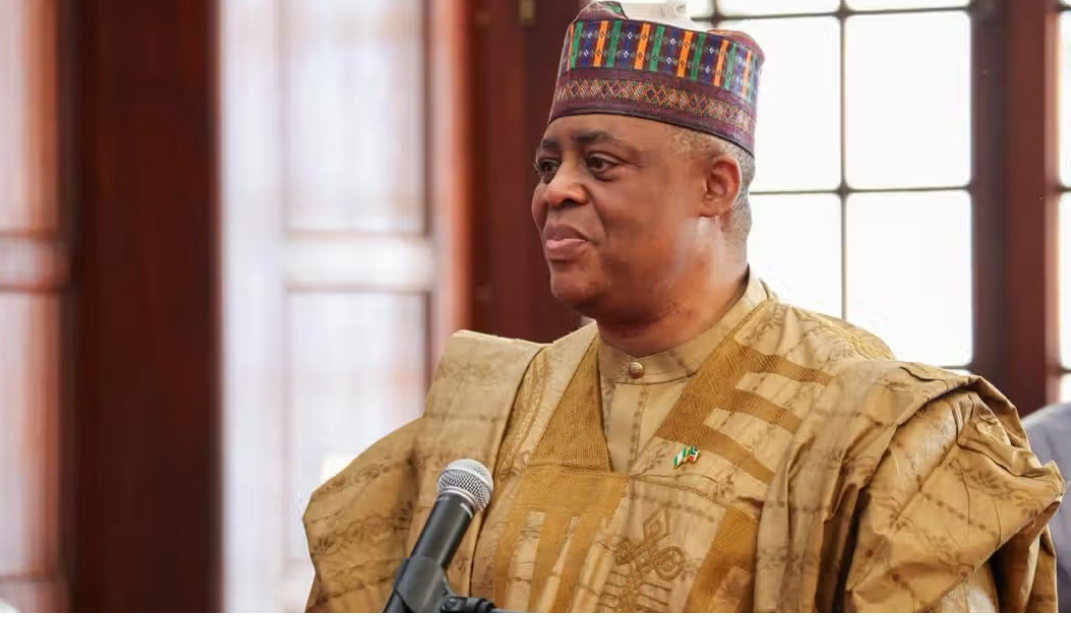
Fani-Kayode Accuses South African Presidency of Excluding His Speech from Letters of Credence Livestream
Nigeria’s High Commissioner to South Africa, Femi Fani-Kayode, has protested the omission of his speech from a presidential livestream, alleging deliberate exclusion.
 News
FCC Files Charges Against Customs CG Over Failure to Provide 2025/2026 Recruitment Information
The Federal Character Commission has filed criminal charges against Customs and its Comptroller-General over alleged breaches of recruitment monitoring and disclosure requirements.
Comments (0)
Leave a comment
All comments are moderated before publishing. Your email is never published.