
Egbujo Questions Tinubu’s Re-election Bid Amid Persistent Insecurity
Ugoji Egbujo has criticised President Bola Tinubu’s handling of insecurity, citing mass abductions, ransom payments and questions surrounding reported rescue operations. He argues that the administration has yet to demonstrate an effective strategy against kidnapping and banditry.
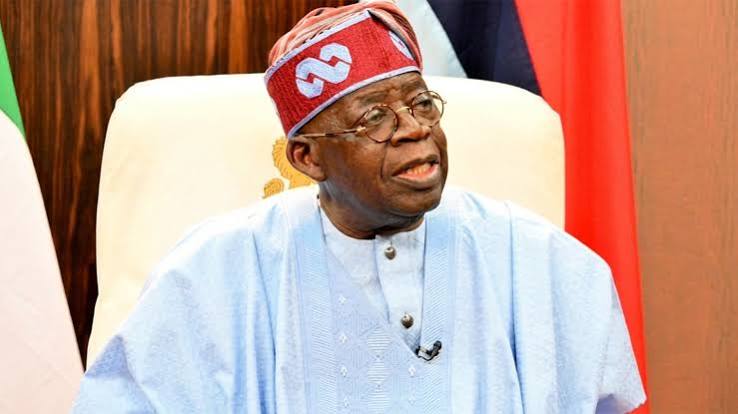
Nigerian columnist Ugoji Egbujo has questioned President Bola Tinubu’s bid for a second term, arguing that his administration has failed to establish an effective strategy for tackling the country’s persistent insecurity.
Egbujo raised concerns over mass abductions, alleged ransom payments and discrepancies between official accounts of rescue operations and accounts provided by victims’ families.
He cited the abduction of National Youth Service Corps (NYSC) members travelling from Oyo State to the eastern part of the country, during which 20 prospective corps members were reportedly kidnapped along the Owerri–Onitsha road near Umunoha in Imo State. Ten reportedly escaped.
According to the columnist, security agencies later announced that drones had located the captives and their abductors but said an immediate rescue was difficult because the area had been mined.
The government subsequently announced that the corps members had been rescued by a joint security team without ransom payment. However, Egbujo pointed to accounts from parents who said they had raised money and negotiated payments reportedly reduced from an initial demand of ₦50 million per victim to between ₦5 million and ₦6 million.
He questioned how the families could have negotiated and delivered money while authorities were reportedly monitoring the abductors, arguing that the conflicting accounts required greater transparency.
Egbujo also referred to the abduction of 44 pupils and teachers in Oriire, Oyo State, in May, who were held for 56 days. He contrasted the government’s account of a security operation with that of a surviving teacher, Zaccheaus Olatunde, who reportedly said two teachers were killed and that negotiations took place before the survivors were shown the way home.
The columnist argued that describing releases secured through ransom negotiations as military rescues could undermine public confidence in official security reports.
He further criticised the continued presence of armed groups operating in areas known to security agencies, alongside the limited capacity of the police and the deployment of the military across multiple internal security operations.
Egbujo also questioned the sums reportedly spent on protecting oil and gas infrastructure, arguing that reliance on private security contractors and other intermediaries had not resolved the country’s security challenges.
He maintained that Tinubu’s first term had not demonstrated a clear strategy capable of reversing the trend, warning that repeated kidnappings followed by ransom negotiations and disputed rescue claims could allow criminal groups to continue operating.
The columnist concluded by questioning what the President would do differently in a second term, given the persistence of mass abductions and the absence, in his assessment, of a demonstrably effective approach to tackling insecurity.
Sponsored

Related stories
 News
News
FG Seeks World Bank Guarantees for Infrastructure Financing
Nigeria’s Oyedele and Cardoso seek World Bank guarantees to attract private capital for infrastructure projects.
 News
News
Power: FG to Clear GenCos’ Legacy Debts in 2027 — Tegbe
Power Minister Joseph Tegbe says the Federal Government aims to settle outstanding legacy debts owed to electricity generation companies by 2027.
 News
News
IPO: Dangote Petroleum Refinery Extends Offer Period by Two Weeks
Dangote Refinery extends its share offer to October 27, giving investors more time to participate in the landmark IPO.
 News
News
Houthi Official Warns of ‘Swift, Painful Response’ if US Enters Yemen War
Houthi official Mohammed Al Bukhaiti threatens US interests if Washington joins Saudi Arabia’s military campaign against the group.
Comments (0)
Leave a comment
All comments are moderated before publishing. Your email is never published.