
Economic Growth Meaningless If Citizens Are Getting Poorer — Peter Obi Slams Tinubu
Peter Obi says Nigeria’s economic growth and rising government revenue mean little without reduced poverty, more jobs and improved living standards.
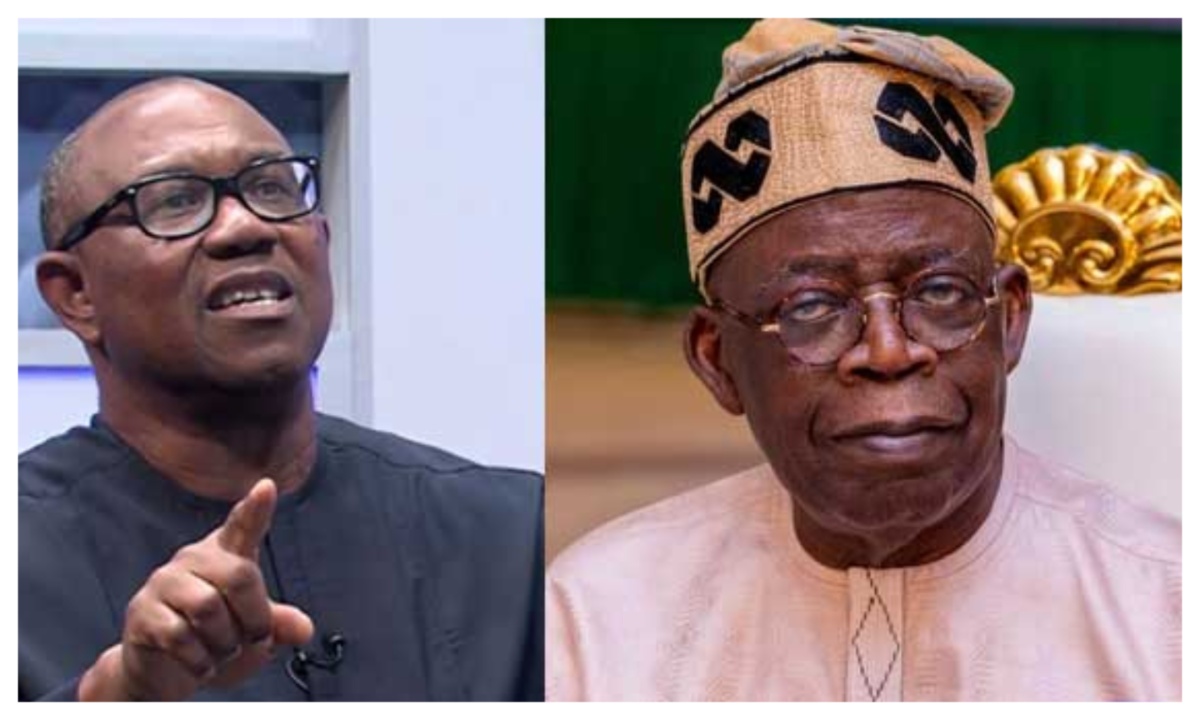
Former Anambra State Governor and Nigeria Democratic Congress (NDC) presidential candidate, Peter Obi, has criticised President Bola Tinubu’s administration, arguing that economic growth is meaningless if citizens continue to experience poverty and declining living standards.
Obi said improvements in government revenue, foreign reserves and gross domestic product (GDP) should not be treated as evidence of economic development unless they translate into better living conditions for Nigerians.
In a statement published on his official X account, Obi argued that the success of economic reforms should be measured by their impact on poverty, employment opportunities and inequality.
He said economic stability should enable citizens to afford food, access healthcare, educate their children and live with dignity.
According to him, many Nigerians continue to face financial difficulties despite reported improvements in some economic indicators.
Obi also questioned the Federal Government’s spending priorities, citing figures from a recent World Bank report. He claimed that the government spent about ₦7.7 trillion on debt-interest payments in the first half of 2026, compared with revenue of approximately ₦6.2 trillion during the same period.
He further claimed that capital expenditure declined by about ₦700 billion in the first half of the year, raising concerns about investment in infrastructure and other public projects.
The NDC candidate attributed the challenges to what he described as excessive borrowing, corruption and poor economic management. These assessments represent his criticism of the administration’s policies.
Obi urged the Federal Government to focus on policies that produce measurable improvements in household welfare rather than relying on favourable economic statistics to demonstrate progress.
His comments followed renewed debate over Nigeria’s economic outlook after the World Bank reported improved growth prospects for the country.
The World Bank projected Nigeria’s economy would grow by 4.3 per cent in 2026, according to its October 2026 Africa Economic Update. However, growth projections measure economic output and do not, by themselves, establish whether household incomes or living standards are improving.
Obi maintained that the ultimate test of economic policy should be whether Nigerians experience less poverty, greater access to essential services and improved opportunities for employment.
The Federal Government’s economic reforms, including the removal of petrol subsidies and changes to the foreign exchange system, have been defended by the administration as measures intended to improve public finances and strengthen the economy. Critics, however, continue to question the impact of those policies on household welfare.
Sponsored

Related stories
 Politics
Northern Region Will Vote Massively to Re-elect Tinubu — Yilwatda
APC National Chairman Nentawe Yilwatda predicts strong northern support for President Tinubu’s re-election, citing infrastructure projects, political inclusion and government initiatives.
 Politics
2027: We’ll Defeat Tinubu in 12 States — Makinde’s Campaign
Seyi Makinde’s campaign organisation says it can defeat President Bola Tinubu in 12 battleground states, citing economic hardship and its proposed RESET Nigeria agenda.
 Politics
APC’s Internal Contradictions Scare Me More Than Atiku, Obi — Shettima
Vice-President Kashim Shettima has warned APC members that internal divisions pose a greater concern than opposition figures ahead of the 2027 elections.
 Politics
2027: Opposition May Unveil Consensus Candidate Days to Election — Lukman
Opposition parties may wait until days before the 2027 general election to announce a consensus presidential candidate, G-100 convener Salihu Lukman says.
Comments (0)
Leave a comment
All comments are moderated before publishing. Your email is never published.