
Ebola No Cause for Panic Yet, Experts Urge Vigilance
Health experts have urged Nigerians to remain calm but vigilant following the confirmation of an Ebola case in Abuja, stressing the importance of contact tracing, early detection and public cooperation to prevent further transmission.
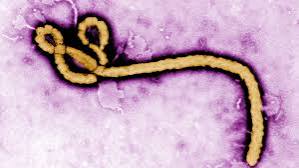
Public health experts have urged Nigerians not to panic following the confirmation of an Ebola virus disease case in Abuja, while calling for intensified surveillance, rapid diagnosis and effective contact tracing to prevent further infections.
Nigeria confirmed the case on October 20, involving a woman who had travelled from East Africa and arrived in the country with symptoms. Health authorities said laboratory tests detected the Bundibugyo strain of the Ebola virus, which is associated with an ongoing outbreak in the Democratic Republic of the Congo and other countries.
The Federal Government said the patient had been isolated and that public health officials had identified 44 contacts for monitoring as part of efforts to contain the infection. Authorities are working to establish the extent of possible exposure and prevent further transmission.
Public health specialists have emphasised that panic and misinformation could undermine containment efforts, urging residents to rely on verified updates from the Nigeria Centre for Disease Control and Prevention (NCDC) and the Federal Ministry of Health.
They have also called for stronger surveillance at airports, land borders and other transport hubs, alongside prompt identification and monitoring of people who may have been exposed to the virus. Experts say early diagnosis and effective infection prevention measures are essential to limiting transmission.
The public has been advised to avoid direct contact with the blood and other bodily fluids of suspected or confirmed Ebola patients, practise regular handwashing with soap and water, and seek medical attention promptly if symptoms develop following possible exposure.
Common symptoms include fever, severe weakness, headache, vomiting and diarrhoea. Anyone identified as a contact should comply with health authorities’ monitoring instructions.
Nigeria successfully contained an Ebola outbreak in 2014 through coordinated surveillance, isolation, contact tracing and public health interventions. However, experts have cautioned that the experience should support preparedness rather than complacency, particularly given the current outbreak’s spread across several countries.
Health authorities continue to monitor identified contacts and strengthen response measures, with the immediate priority being to prevent the confirmed case from developing into wider community transmission.
Sponsored
Related stories
 News
Oil Price Falls Below $90 Per Barrel for First Time Since August 31
Brent crude has dropped below $90 for the first time since August 31, as easing geopolitical tensions and rising supply weigh on global markets.
 News
No Nigerian Leader Since 1960 Has Embarked on Comprehensive Structural Reforms Like Tinubu — Alake
Dele Alake says Tinubu’s reforms are unprecedented in Nigeria’s history, challenging critics to a public debate over their scale and impact.
 News
UK Backs Nigeria’s Proposed $750m Pension Infrastructure Fund
The UK is supporting Nigeria’s proposed $750 million pension infrastructure fund, which aims to finance energy, transport and digital projects.
 News
NLC Backs Striking Osun Workers, Demands Release of Withheld LG Funds
The Nigeria Labour Congress has backed striking Osun workers, demanding the release of withheld local government allocations and respect for court decisions.
Comments (0)
Leave a comment
All comments are moderated before publishing. Your email is never published.