
DR Congo Ebola Outbreak Exceeds 11,000 Cases, Death Toll Rises to 5,387
The Democratic Republic of the Congo has recorded 11,042 confirmed Ebola cases and 5,387 deaths, making the outbreak the country’s deadliest.
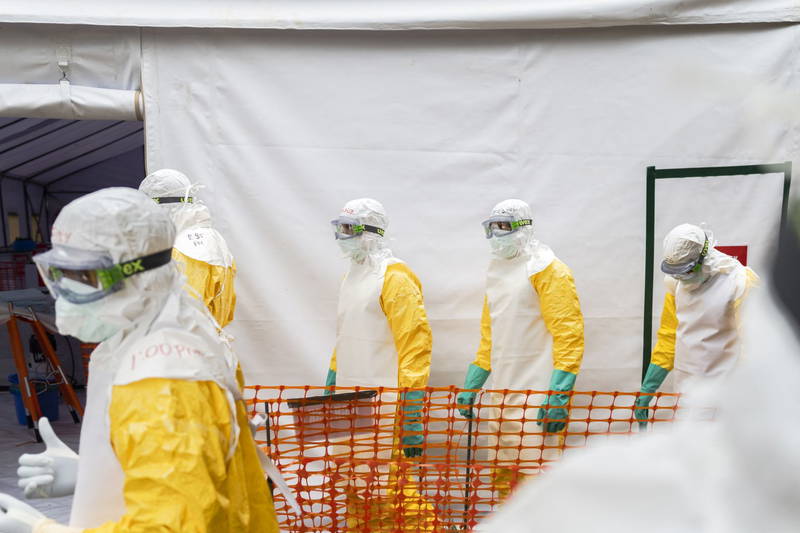
The Democratic Republic of the Congo (DRC) has recorded more than 11,000 confirmed Ebola infections, with the death toll rising to 5,387, as health authorities struggle to contain the country’s largest outbreak of the disease.
Government figures released on Tuesday, November 10, 2026, showed that confirmed infections had reached 11,042, marking a significant increase since the outbreak was declared in mid-May.
The outbreak is caused by the Bundibugyo strain of the Ebola virus, a rare variant for which there is currently no approved vaccine or specific treatment.
Eight of the country’s 26 provinces have been affected, with Ituri and North Kivu among the hardest-hit areas. The disease has also spread beyond the DRC, with related cases reported in other African countries, including Uganda, Kenya and Nigeria.
Health officials have identified several challenges affecting containment efforts, including delayed detection of infections, armed conflict, limited access to healthcare facilities and pressure on an already strained health system.
Many deaths have also occurred within communities rather than treatment centres, highlighting difficulties in identifying infected people early and ensuring they receive medical attention.
The outbreak has become the second-largest and second-deadliest Ebola epidemic recorded globally, behind the 2014 to 2016 West African outbreak, which infected more than 28,600 people and caused over 11,000 deaths.
The World Health Organization (WHO) and other international health partners are supporting the Congolese authorities through surveillance, laboratory testing, contact tracing, infection prevention and control, and community engagement.
However, renewed violence in affected areas has restricted the movement of response teams and complicated access to vulnerable communities. Health authorities have called for improved security to enable medical personnel to carry out their work safely.
The absence of an approved vaccine or specific treatment for the Bundibugyo strain has further complicated the response. The WHO has approved clinical trials of two potential vaccines, with results expected in early 2027.
The outbreak has also heightened concerns about cross-border transmission, prompting countries in the region to strengthen screening, surveillance and preparedness measures.
The WHO has urged countries to maintain coordinated public health responses and avoid unnecessary restrictions on international travel and trade.
Sponsored
Related stories
 News
Otti Approves New Salary Structure for Abia Assembly Workers
Abia Governor Alex Otti has approved a 25 per cent CONLESS salary adjustment for eligible legislative workers, effective January 2027.
 News
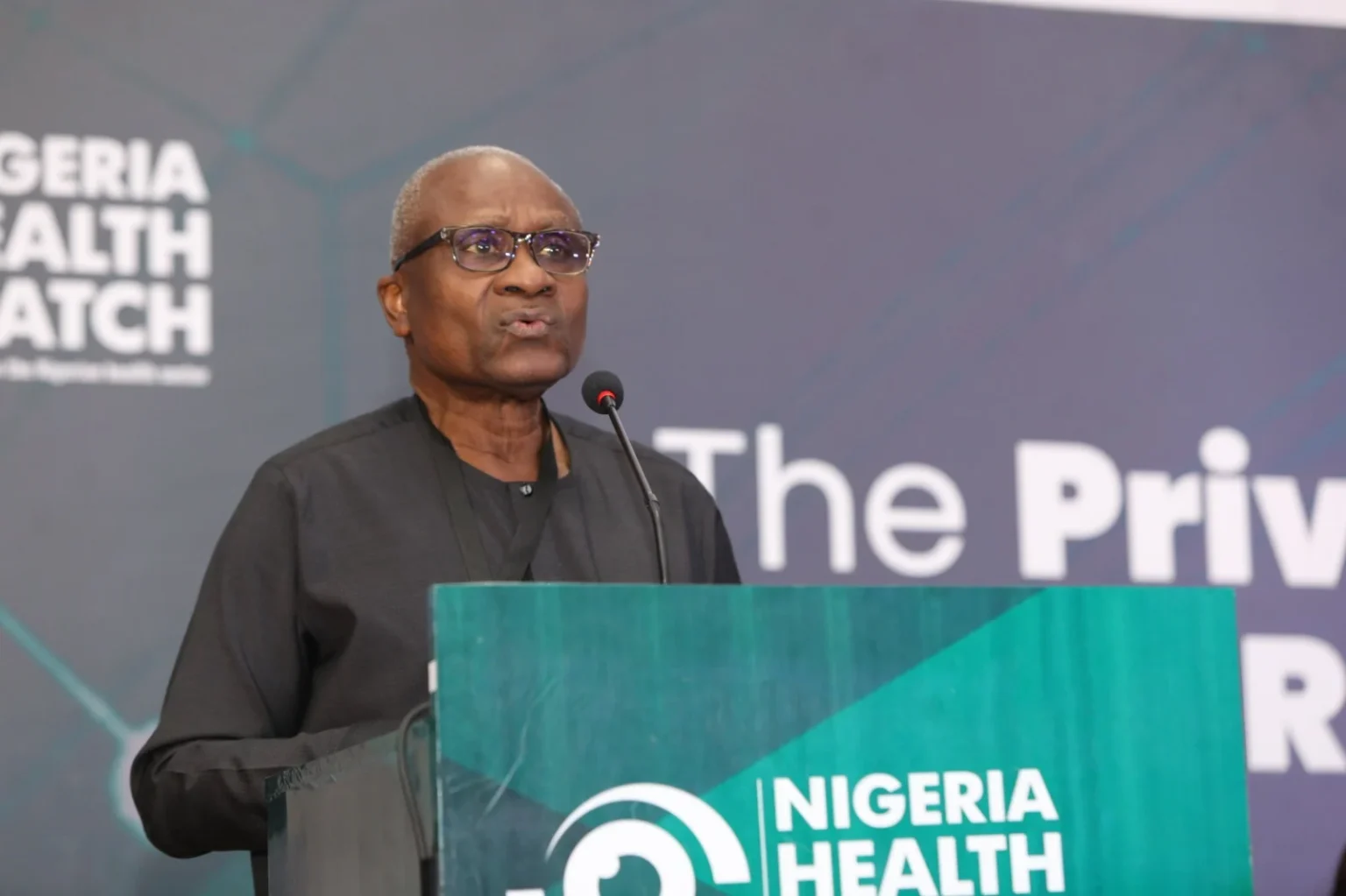
Ebola: 28 Contacts Still Under Surveillance, 34 Cleared — NCDC
The NCDC says 28 people linked to Nigeria’s imported Ebola case remain under monitoring, while 34 have completed their 21-day follow-up.
 News
Court Remands FIJ Journalist Daniel Ojukwu Over Reports on Presidential Aide
A Federal High Court has remanded investigative journalist Daniel Ojukwu in Kuje prison over 12 charges linked to reports about a former presidential aide.
 News
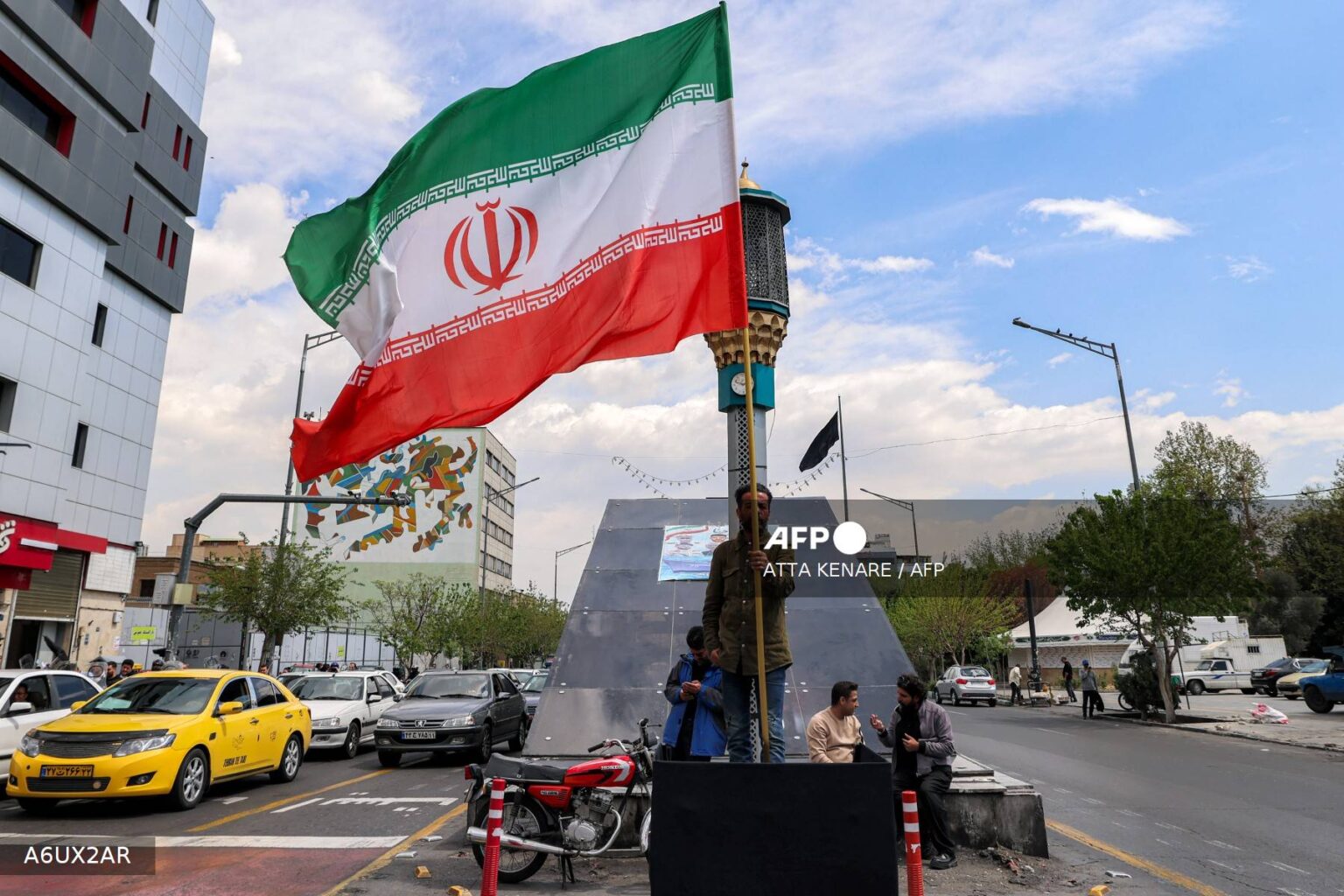
Iran Slams US $20m Nuclear Intelligence Reward, Seeks UN Condemnation
Iran has asked the UN and IAEA to condemn Washington’s $20 million reward for nuclear intelligence, describing it as a threat to its facilities and scientists.
Comments (0)
Leave a comment
All comments are moderated before publishing. Your email is never published.