
DR Congo Ebola Outbreak Becomes Deadliest With Over 2,300 Deaths
The Democratic Republic of the Congo says its ongoing Ebola outbreak has killed more than 2,300 people, surpassing the 2018–2020 epidemic to become the country’s deadliest on record, with a case fatality rate of about 47 per cent.
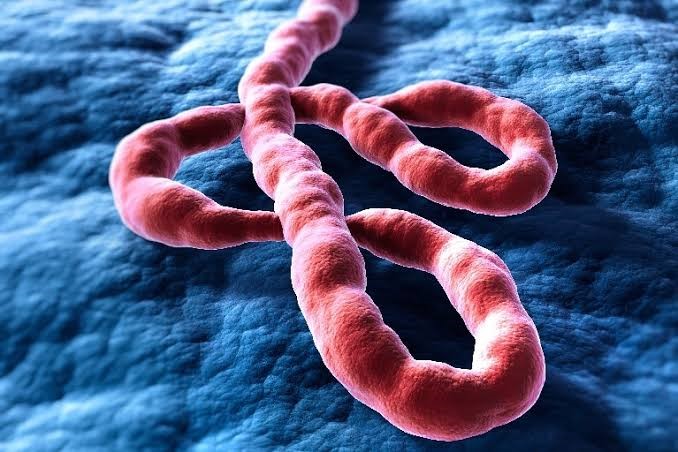
The Democratic Republic of the Congo (DRC) has recorded more than 2,300 deaths from Ebola, making the current outbreak the deadliest in the country’s history, according to official figures released on Sunday, August 16.
Health authorities reported 4,945 confirmed cases and 2,325 deaths as of mid-August, putting the case fatality rate at 47.0 per cent, higher than the roughly 39.6 per cent recorded during the 2014–2016 West African outbreak.
The outbreak, caused by the Bundibugyo strain of the Ebola virus, was first declared on May 15 and has since spread to six provinces, with Ituri remaining the epicentre.
The death toll has risen rapidly, with more than 1,000 of the fatalities occurring in the last three weeks alone, underscoring how quickly the virus is spreading.
UN humanitarian officials said the virus is now killing a victim every 30 minutes, calling for greater international action to contain the outbreak.
The current epidemic has already surpassed the 2018–2020 Kivu outbreak, which killed nearly 2,300 people out of about 3,500 recorded cases over two years.
With more than 4,900 confirmed cases and over 2,300 deaths in just over three months, the DRC outbreak is now the second deadliest Ebola epidemic ever recorded globally, behind only the 2014–2016 West African crisis that killed more than 11,000 people.
The World Health Organization (WHO) has warned that, at its current pace, the outbreak could eclipse the West African epidemic if containment efforts are not significantly strengthened.
A key challenge is that there is currently no approved treatment or vaccine specifically for the Bundibugyo strain responsible for the current outbreak, unlike the Zaire strain, for which effective vaccines and therapeutics exist.
The rapid spread has been attributed to a combination of factors, including conflict and insecurity in eastern DRC, population movement, weak health systems, delayed case detection and limited access to affected communities.
Health agencies are revising their response strategies, scaling up surveillance, contact tracing, isolation and community engagement while seeking additional international support to curb transmission.
The outbreak has also raised fears of cross-border spread, with cases reported in Uganda and one case in France, prompting heightened screening and preparedness measures in neighbouring countries.
As the death toll continues to climb, the DRC government and international partners face mounting pressure to accelerate containment efforts, secure more resources and improve access to affected areas to prevent further escalation.
Sponsored
Related stories
 Health
Diri Orders Free Quarterly Health Checks for All Bayelsa Residents at Secondary Facilities
Governor Douye Diri has directed Bayelsa's Ministry of Health to begin free quarterly medical check-ups across all eight local government areas, aimed at helping residents who cannot afford routine screening and promoting early detection of diseases.
 Health
‘Priceless Gift of Sight’ Reaches 400,000 Beneficiaries
FCMB and the Tulsi Chanrai Foundation say their 15-year eye care partnership has reached over 400,000 Nigerians, as a World Sight Day roundtable in Abuja pushes for private-sector funding to sustain and expand care.
 Health
FUNAAB Launches Africa’s First AI Disease Surveillance System
Researchers at the Federal University of Agriculture, Abeokuta, have developed IDS-Master, a groundbreaking AI-powered surveillance system that detects infectious disease outbreaks in real time by analysing reports from community leaders, health agents, and ordinary residents. Described as Africa's first fully AI-driven event-based surveillance platform, the innovation promises to bridge critical gaps in outbreak detection across underserved rural communities where delays in reporting can cost l
 Health
NAFDAC Seeks Global Partners for Local Vaccine Production
The Director-General of the National Agency for Food and Drug Administration and Control (NAFDAC), Prof. Mojisola Adeyeye, has called on international partners to support the establishment of vaccine manufacturing facilities in Nigeria, saying local production is the missing link in the agency’s push to attain World Health Organisation Maturity Level 4 for vaccine lot release. She spoke at the 8th Nigeria Pharma Manufacturers’ Expo in Lagos, where she commended President Bola Tinubu’s Executive
Comments (0)
Leave a comment
All comments are moderated before publishing. Your email is never published.