
Diri Orders Free Quarterly Health Checks for All Bayelsa Residents at Secondary Facilities
Governor Douye Diri has directed Bayelsa's Ministry of Health to begin free quarterly medical check-ups across all eight local government areas, aimed at helping residents who cannot afford routine screening and promoting early detection of diseases.
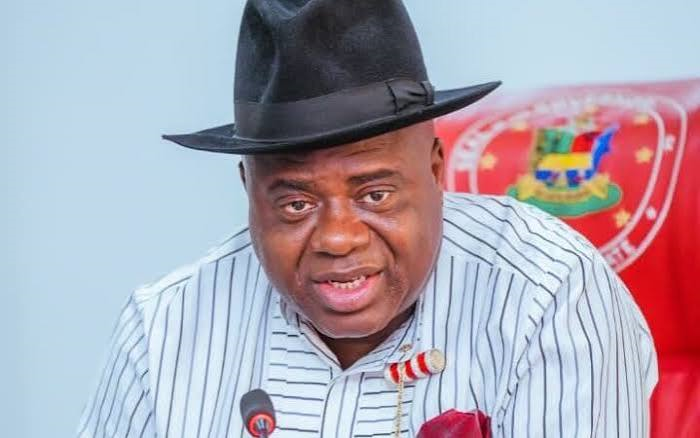
Bayelsa State Governor, Senator Douye Diri, has directed the state Ministry of Health to introduce free quarterly medical check-ups for residents across the state's eight local government areas, in a move aimed at widening access to healthcare and promoting early detection of serious illnesses.
Diri gave the directive on Sunday at St John's Anglican Church, Olobiri, Kaiama, in Kolokuma/Opokuma Local Government Area, during a special thanksgiving service for the Ebedaowei of Kolokuma Kingdom, King Mozi Agara.
Addressing the congregation, the governor instructed the Commissioner for Health to commence the exercise at all government secondary healthcare facilities in the local government areas. "I hereby direct the Honourable Commissioner for Health to commence a free health check across Bayelsa State, in all our secondary healthcare facilities across our different local government areas," he said.
Diri explained that the screening would be held every three months, partly to prevent overcrowding at the facilities and to ensure more residents are able to benefit. He said the initiative was designed particularly for citizens who cannot afford routine medical examinations, giving them access to checks at no cost.
The governor urged residents to take advantage of the programme by visiting the nearest secondary health centre, adding that the Commissioner for Health would provide further details, including announcements on when the exercise will begin. At the time of the directive, no start date or detailed list of services had been published.
In remarks that accompanied the announcement, Diri also spoke about the importance of confronting major diseases, including cancer, saying the government could not remain silent on the issue. Reports on the directive indicate the initiative is expected to promote early detection of conditions such as cancer and hypertension, which health experts say are often diagnosed late in Nigeria because many people do not undergo regular screening.
The directive came during a service marking the recovery of the Kolokuma monarch from a recent health condition. Diri expressed gratitude to God for the king's recovery and used the occasion to call on residents to honour their traditional leaders. He described traditional rulers as guardians of peace and order, noting their role in settling disputes, including disagreements within families.
Routine screening is widely regarded by public health professionals as one of the most cost-effective ways to reduce deaths from non-communicable diseases. Conditions such as high blood pressure and diabetes frequently produce no obvious symptoms in their early stages, which means many patients only seek care after complications have set in. Free, regular check-ups at accessible government facilities can help close that gap, particularly for low-income households who might otherwise delay or avoid hospital visits because of cost.
The decision to base the exercise at secondary healthcare facilities, rather than only primary health centres, means residents will be directed to the state's general hospitals and equivalent institutions, which typically have more diagnostic capacity than community clinics. The quarterly schedule also reflects a practical concern about capacity, as spreading screening across the year is intended to keep patient numbers manageable.
How the programme performs will depend largely on operational details yet to be announced. Key questions include which tests and services will be covered, how the state will fund drugs and follow-up care for people found to have illnesses, and whether facilities have enough staff and equipment to handle the expected turnout. Screening only improves outcomes when it connects to treatment, so the strength of referral and follow-up arrangements will be central to its impact.
The directive adds to a series of health-related interventions by state governments across Nigeria seeking to widen access to care and reduce the financial barriers that keep many residents away from hospitals. With the Ministry of Health now tasked with working out the specifics, attention turns to when the first round of free check-ups will begin and how quickly residents across Bayelsa's eight local government areas will be able to access them.
Sponsored

Related stories
 Health
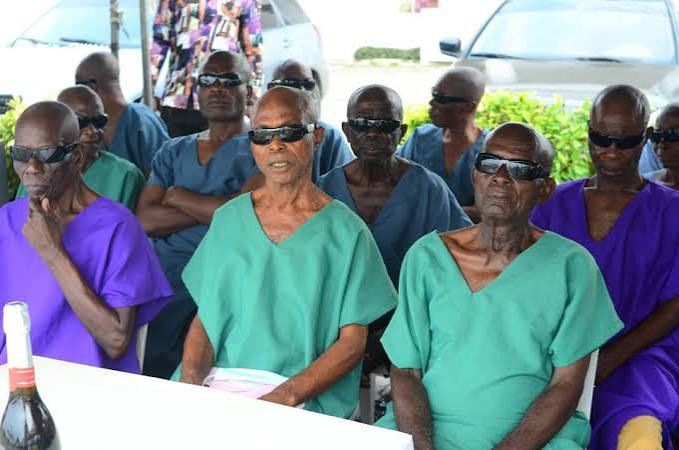
‘Priceless Gift of Sight’ Reaches 400,000 Beneficiaries
FCMB and the Tulsi Chanrai Foundation say their 15-year eye care partnership has reached over 400,000 Nigerians, as a World Sight Day roundtable in Abuja pushes for private-sector funding to sustain and expand care.
 Health
FUNAAB Launches Africa’s First AI Disease Surveillance System
Researchers at the Federal University of Agriculture, Abeokuta, have developed IDS-Master, a groundbreaking AI-powered surveillance system that detects infectious disease outbreaks in real time by analysing reports from community leaders, health agents, and ordinary residents. Described as Africa's first fully AI-driven event-based surveillance platform, the innovation promises to bridge critical gaps in outbreak detection across underserved rural communities where delays in reporting can cost l
 Health
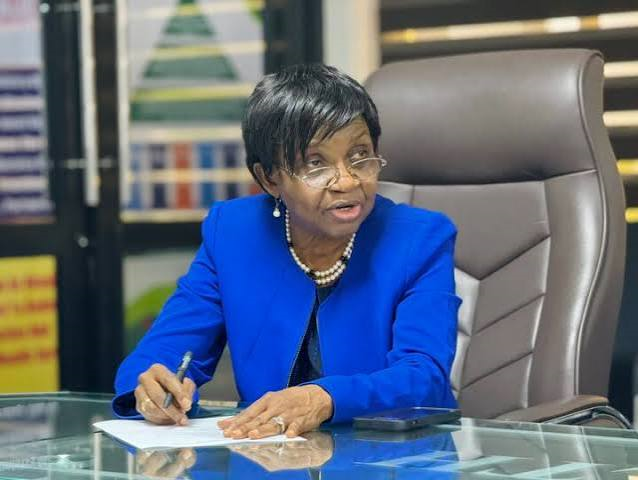
NAFDAC Seeks Global Partners for Local Vaccine Production
The Director-General of the National Agency for Food and Drug Administration and Control (NAFDAC), Prof. Mojisola Adeyeye, has called on international partners to support the establishment of vaccine manufacturing facilities in Nigeria, saying local production is the missing link in the agency’s push to attain World Health Organisation Maturity Level 4 for vaccine lot release. She spoke at the 8th Nigeria Pharma Manufacturers’ Expo in Lagos, where she commended President Bola Tinubu’s Executive
 Health
FG Targets 70% Local Drug Production by 2029
The Federal Government is considering a two-year extension of its pharmaceutical manufacturing Executive Order to March 2029, as manufacturers push to cut Nigeria's 70% drug import dependence and position the country as West Africa's pharma hub.
Comments (0)
Leave a comment
All comments are moderated before publishing. Your email is never published.