
Diphtheria Outbreak in Zamfara: 39 Children Dead, 261 Suspected Cases as Vaccine Gaps Fuel Silent Return
A devastating diphtheria outbreak has claimed 39 lives, mostly infants aged six to ten months, across 10 local government areas in Zamfara State, with health workers racing against time to contain the spread. As UNICEF reveals that only 22 per cent of confirmed cases nationally had received routine immunisations, authorities are confronting the deadly consequences of missed vaccinations during the COVID-19 pandemic and persistent vaccine hesitancy.
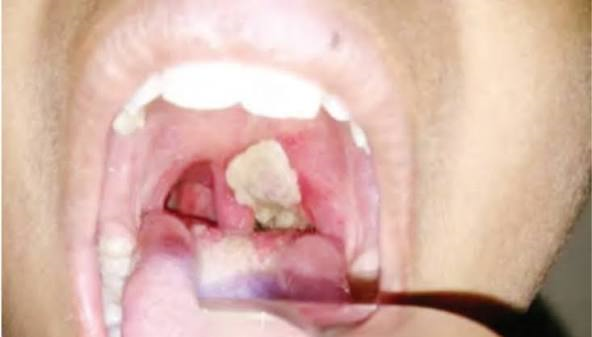
The ward at the Infectious Disease Centre in Damba is quiet in a way that feels wrong. Fluorescent lights hum above rows of iron beds. Mothers sit on plastic chairs, cloths pressed to fevered foreheads. Nurses move fast between patients, but their voices are low. Last week, the Zamfara State Ministry of Health confirmed what many families here already feared: an outbreak of diphtheria has claimed 39 lives. The ministry also recorded another 261 suspected cases across 10 local government areas.
Most of the faces in these beds are small. Health workers say many of the children are between six and ten months old. "Some of them came in too late," a nurse at the WCWC Primary Healthcare Centre in Kwata, Gusau, said as she checked a child's throat with a torchlight, adding, "By the time the parents realise it's not just a cough, the breathing is already difficult".
Diphtheria, caused by Corynebacterium, attacks the nose, throat, and sometimes the skin. The early signs look ordinary: fever, runny nose, sore throat, cough, red eyes. Then comes the neck swelling. Then the struggle to breathe. Without antitoxins and antibiotics, it kills. What is new is how quickly it has moved this year.
The numbers paint a worrying picture. Gusau Local Government Area alone accounts for 191 of the 261 suspected cases—the highest in the state. Laboratory tests have confirmed some cases, while surveillance teams continue to test and trace contacts across communities. The state government responded immediately. The Ministry of Health convened a rapid response team and deployed it to affected areas to identify new cases, provide emergency treatment, and prevent further spread.
Rilwan Musa, Permanent Secretary of the Zamfara State Ministry of Health, said the response has full backing from Governor Dauda Lawal's administration and development partners. "We mobilised across the state the moment we saw the trend," Musa told THISDAY. "But we need government at all levels to intensify efforts – more vaccines, more health workers, more sensitisation in every ward. This cannot be a one-state fight".
But behind the mobilisation is a harder truth: most of the children who died had not been vaccinated. National data backs that up. According to UNICEF, only 22 per cent of confirmed diphtheria cases in Nigeria had received routine childhood immunisations. The Nigeria Centre for Disease Control reports that 68 per cent of confirmed cases nationwide involved unvaccinated people.
"It's heartbreaking to note that only 22 per cent of the confirmed cases received their routine childhood immunisation vaccinations," said Cristian Munduate, UNICEF Representative in Nigeria. "Many children did not receive their vaccines during the COVID-19 lockdown. We now urgently need to catch up. These zero-dose children, those who haven't received a single dose of vaccine, are a primary concern".
In Zamfara, that gap is visible. At Kwata PHC, health workers point to immunisation hesitancy and missed doses as major drivers of the spread. "We are begging parents," the nurse added. "Please bring your wards for vaccination. The vaccines are free at all PHCs. Waiting costs lives. If your child misses a dose, go to the clinic today. Don't wait for symptoms".
The outbreak is not confined to Gusau. Cases have been reported in nine other LGAs, stretching response teams thin. From Kwata PHC, the rapid response team proceeded to Damba to check on patients receiving care at the Infectious Disease Centre. Some were on oxygen. Some were stable. All were children.
Diphtheria thrives where routine vaccination drops. Nationwide, the outbreak has hit Kano, Yobe, Katsina, Lagos, FCT, Sokoto, and Zamfara hardest—those seven states account for 98 per cent of suspected cases. Children aged 2 to 14 make up about 71.5 per cent of confirmed cases. The case fatality rate sits at 8.7 per cent. For every 100 children infected, nearly nine do not make it. In the last three years, the NCDC says diphtheria has claimed over 1,300 lives across Nigeria.
In Damba, the immediate work is clinical: identify, isolate, treat. Antitoxin and antibiotics are being administered. Contacts are being traced. Health education teams are moving through markets and schools with megaphones and pamphlets. But health officials insist that treatment alone will not end this.
For government, the demand is clear: intensify efforts. That means deploying more vaccines to rural PHCs, funding mobile vaccination teams, paying community health workers promptly, and sustaining surveillance even after the outbreak slows. For parents and caregivers, the responsibility is just as urgent: avail your wards for vaccination. The diphtheria vaccine is part of Nigeria's routine immunisation and is provided free at primary healthcare centres. Children are to receive doses at six, 10, and 14 weeks, with boosters later. Catch-up campaigns are now being prioritised in Zamfara to reach "zero-dose" children.
At Kwata, a mother rocked her eight-month-old and whispered prayers. She had missed the second vaccine dose during the pandemic. "I thought we could wait," she said. "I didn't know it would come like this. I will take my other children tomorrow".
Thirty-nine funerals in a matter of weeks. Thirty-nine names that will be read at community meetings. Thirty-nine empty spaces at dinner tables across 10 LGAs. The rapid response team will keep working. The vaccines are available. The message from the health ministry and UNICEF is simple and urgent: this disease is preventable—but only if government intensifies efforts and parents step forward.
For now, Zamfara is in a race between the bacteria moving through unprotected children and the health workers trying to reach them first. In Damba ward, a nurse adjusts an IV and checks a chart. Outside, another ambulance pulls in. The fight is not over.
Sponsored

Related stories
 Health
Diri Orders Free Quarterly Health Checks for All Bayelsa Residents at Secondary Facilities
Governor Douye Diri has directed Bayelsa's Ministry of Health to begin free quarterly medical check-ups across all eight local government areas, aimed at helping residents who cannot afford routine screening and promoting early detection of diseases.
 Health
‘Priceless Gift of Sight’ Reaches 400,000 Beneficiaries
FCMB and the Tulsi Chanrai Foundation say their 15-year eye care partnership has reached over 400,000 Nigerians, as a World Sight Day roundtable in Abuja pushes for private-sector funding to sustain and expand care.
 Health
FUNAAB Launches Africa’s First AI Disease Surveillance System
Researchers at the Federal University of Agriculture, Abeokuta, have developed IDS-Master, a groundbreaking AI-powered surveillance system that detects infectious disease outbreaks in real time by analysing reports from community leaders, health agents, and ordinary residents. Described as Africa's first fully AI-driven event-based surveillance platform, the innovation promises to bridge critical gaps in outbreak detection across underserved rural communities where delays in reporting can cost l
 Health
NAFDAC Seeks Global Partners for Local Vaccine Production
The Director-General of the National Agency for Food and Drug Administration and Control (NAFDAC), Prof. Mojisola Adeyeye, has called on international partners to support the establishment of vaccine manufacturing facilities in Nigeria, saying local production is the missing link in the agency’s push to attain World Health Organisation Maturity Level 4 for vaccine lot release. She spoke at the 8th Nigeria Pharma Manufacturers’ Expo in Lagos, where she commended President Bola Tinubu’s Executive
Comments (0)
Leave a comment
All comments are moderated before publishing. Your email is never published.